More than 55,000 public charging devices are now installed across Britain, a number growing every week to support the surge in electric vehicles.
This expansion is fantastic for drivers. However, the variety of plugs and sockets can create immediate confusion for anyone just starting their electric journey.
I know how daunting it feels. That's why I created this straightforward, visual guide. My goal is to cut through the complexity and give you the clarity you need.
Understanding the difference between the two most common connectors is not just technical detail. It is essential for keeping your car's battery powered efficiently and for planning your daily travels with confidence.
This resource will show you how the right plug impacts your routine. You will learn to distinguish between connectors quickly, whether you're at home or using a public point.
By the end, you will have the knowledge to manage your vehicle's energy needs seamlessly. No more unnecessary delays or frustration at the charging point.
Key Takeaways
- The UK's charging infrastructure is expanding rapidly to support electric mobility.
- Knowing your vehicle's specific connector is crucial for efficient charging.
- The two most common connectors serve different purposes and charging speeds.
- Using the correct plug preserves your car's battery health and optimises performance.
- This guide provides clear, visual comparisons to eliminate confusion.
- Understanding these basics saves time and prevents frustration during your travels.
- You can confidently use both home and public charging points after reading.
Introduction to EV Charging and Its Importance
My own electric motoring adventure started years ago with a first-generation Nissan Leaf, a car that introduced many British drivers to the concept of plugging in. This early experience taught me that understanding your charging options is not a minor detail—it's fundamental to enjoying electric mobility.
My personal journey with EV charging
That original Nissan Leaf relied on the CHAdeMO connector for its rapid charging needs. I quickly learned that knowledge of different types was essential. Moving from home charging to public service stations completely changed the content of my experience.
Managing my car battery effectively required understanding what each charger could offer. This practical lesson showed me why a reliable service network is so vital for any vehicle owner.
The evolution of charging standards in the UK
Early cars like the Nissan Leaf helped establish the initial standard for Britain's infrastructure. As more electric cars arrived, charging standards evolved at a remarkable pace.
Different connector types emerged, each designed for specific needs. I've compiled this content to share the historical shift that every new electric car owner should understand about our UK infrastructure.
Understanding the Basics of EV Charging in the United Kingdom
The foundation of seamless electric mobility lies in understanding the two fundamental currents that power your car. This knowledge transforms a complex technical topic into simple, practical insight.
Every charging session relies on either alternating current or direct current. The national grid supplies your home with alternating current, which is perfect for overnight top-ups.
AC vs DC charging explained
Alternating current is the standard electricity from your domestic sockets. It is typically used for slower home charging. Your vehicle must convert this power internally.
Direct current is reserved for rapid public stations. It delivers energy straight to the high-voltage battery, bypassing the car's converter. This allows for much faster replenishment.
Knowing whether you're using AC or DC isn't just technical—it's the key to planning your journey and managing your car's energy efficiently.
The internal charger in your car is the component that manages this intake. It safely converts alternating current into direct current for storage. Understanding your local grid capacity is essential when you plug in at home.
This content clarifies why your automobile needs a specific connector type. It ensures the flow of electricity is handled safely and effectively.
| Characteristic | Alternating Current (AC) | Direct Current (DC) |
|---|---|---|
| Primary Use | Home & destination charging | Public rapid chargers |
| Typical Speed | Slower (3-7 kW common) | Very Fast (50-350 kW) |
| Conversion Location | Inside the car's onboard charger | Inside the public charging unit |
| Grid Supply | Standard domestic supply | Requires specialised infrastructure |
My research shows most electric cars use a standard plug for home use. This content is designed to help you grasp these technical basics. I will guide you through choosing the right equipment to keep your motor ready for the road.
The Fundamentals of the Type 2 EV Charger
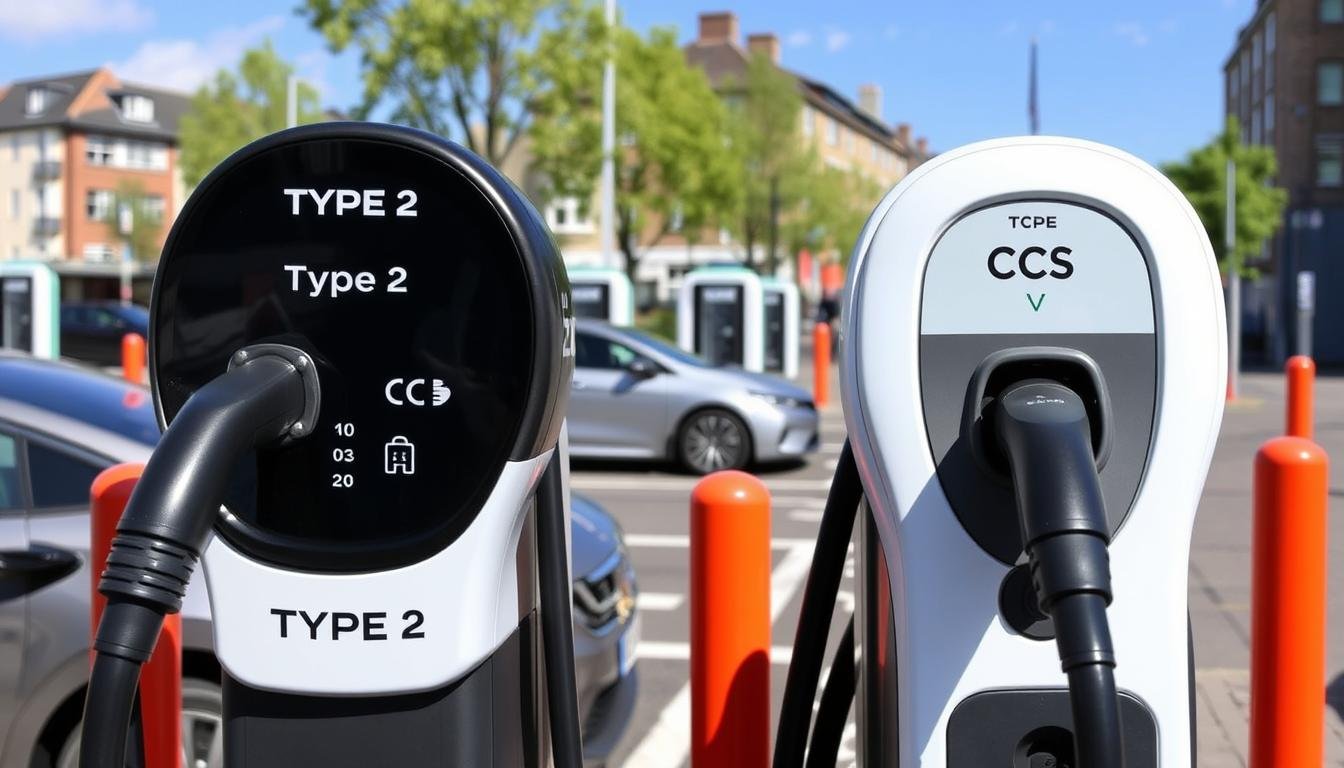
For daily electric vehicle use, one plug has become the undisputed champion for convenient and reliable power delivery. Known professionally as the Mennekes connector, it is the European standard for alternating current power up to 43kW.
This design is now ubiquitous across Britain. It supports both single and three-phase electricity supplies, offering genuine flexibility for different needs.
Home charging benefits and applications
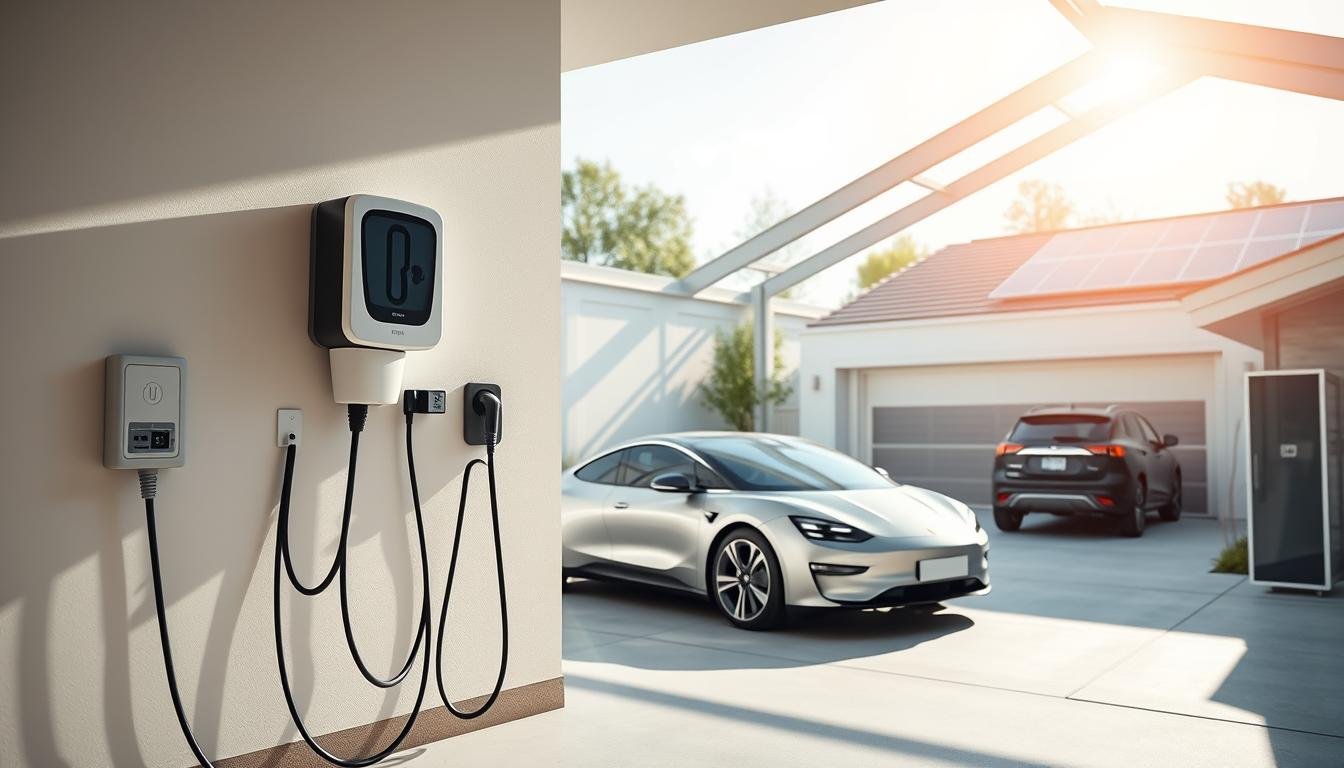
This is the most common solution for domestic wallboxes. It provides a steady, safe service for your automobile overnight.
I recommend this connector for your home setup. It offers excellent compatibility with modern vehicles, saving you considerable time during your routine.
Public charging compatibility and infrastructure
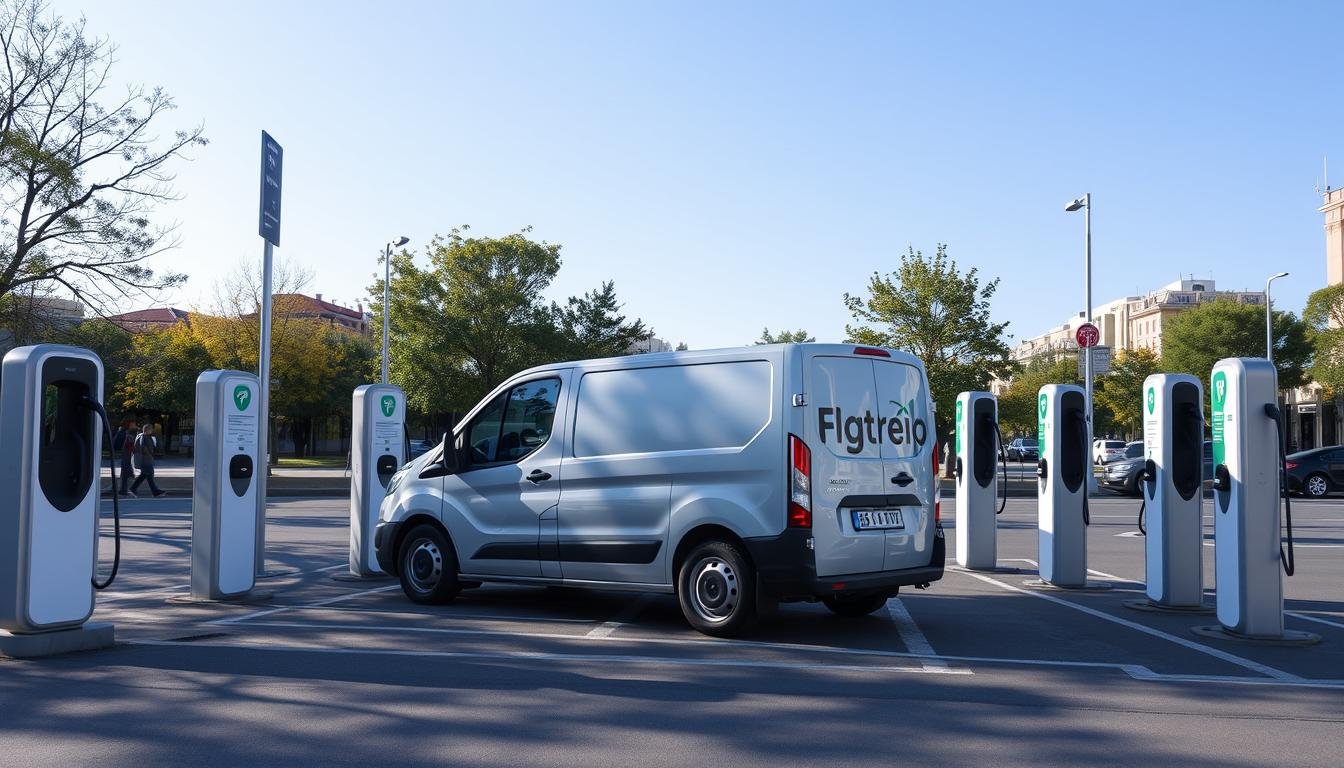
Many public stations now feature untethered Mennekes sockets. This clever design allows universal compatibility across different brands and models.
When I am out, I find these points make locating a parking spot with charging straightforward. It is essential for maintaining your battery while you shop or work.
This versatile solution supports various charging types. It is designed for contemporary infrastructure, unlike older systems used on early models.
The Advantages of CCS EV Charging
When planning a long journey, the ability to replenish your vehicle's energy in minutes rather than hours becomes a critical advantage. The Combined Charging System builds directly upon the familiar Type 2 design by adding two dedicated pins for high-power direct current delivery.
This integration means one physical connection can handle both everyday AC charging and ultra-fast DC sessions. It represents a smart evolution in charging systems.
How CCS enables rapid DC charging
The additional pins allow powerful direct current to bypass my car's internal converter. Energy flows straight into the high-voltage battery pack.
This method supports incredible power levels, with some stations now offering up to 400kW. My experience shows this can turn a thirty-minute coffee break into a several hundred-mile range top-up.
The true value of rapid charging isn't just about speed—it's about restoring travel freedom and reducing journey anxiety.
Speed, flexibility and infrastructure considerations
This standard delivers remarkable speed where it matters most: on motorways and major routes. I find the growing network of high-power chargers provides essential flexibility for longer trips.
Most modern automobiles are now equipped with this connection type. The content of my travel planning has changed completely since I started using these systems.
| Attribute | Specification | Primary Benefit |
|---|---|---|
| Power Delivery | Up to 400 kW DC | Extremely fast charging sessions |
| Typical Location | Motorway service stations | Convenient for long-distance travel |
| Charging Time | 20-30 minutes for 80% | Minimises journey interruptions |
| Compatibility | Integrated with Type 2 AC | One connector for multiple needs |
Using this technology helps preserve my battery health through optimised power management. The widespread adoption of this standard ensures I can find compatible chargers across the country.
type 2 vs CCS EV charger UK new owner: Which Option Fits My Needs?
The decision between a home-based solution and a rapid public system depends largely on where you spend your time. Most modern automobiles are equipped with ports for both charging types.
This guide's content helps you decide which connector fits your daily routine best. Your typical parking habits are the key factor.
If your car is often at home overnight, a dedicated wallbox plug is the most cost-effective solution. It provides a steady, slow charge that preserves your battery health perfectly.
For long-distance travel, accessing the rapid charging network is essential. The CCS standard delivers the incredible speed needed to minimise journey breaks.
Matching the technology to your lifestyle, not just your vehicle, is the secret to effortless electric motoring.
I always recommend checking your automobile's manual first. It confirms which charging types your model supports.
| Consideration | Home-Oriented Charging | Travel-Oriented Charging |
|---|---|---|
| Primary Use | Overnight top-up at home | Rapid top-up on long journeys |
| Typical Speed | Slow to Medium (3-22 kW) | Very Fast (50-350 kW) |
| Best For | Daily commuting & local trips | Motorway travel & extended routes |
| Cost Consideration | Lower running cost per mile | Higher per-session cost, essential for travel |
The difference in speed between these two chargers is significant. Choose the solution that aligns with how you use your car.
Real-World Considerations for New EV Owners
Beyond understanding the different plugs, successfully integrating an electric car into your life hinges on practical setup, safety, and long-term planning.
This content moves from theory to the essential steps for confident daily use. Let's start where your routine begins: at home.
Installation basics and grid capacity
Many modern cars come with a basic 13A cable. It's a useful temporary tool, but it is not a long-term charging solution for your vehicle.
For a permanent setup, professional installation is non-negotiable. A qualified expert will assess your property's grid capacity.
This ensures your new charger operates safely without overloading your home's electrical system. It is a critical step for peace of mind.
Cost, safety and long-term reliability
Investing in a certified home charger is an investment in safety and your car's battery health. Quality equipment meets strict British standards.
For public charging, I always research the service provider's reliability. A dependable network prevents frustration during longer journeys.
A proper installation protects both your property and your automobile, forming the bedrock of trustworthy electric mobility.
The content of your experience relies on this foundation. Choosing robust chargers and safe practices makes daily charging seamless and fundamentally secure.
Future Trends in EV Charging Infrastructure
The landscape for powering electric automobiles is poised for transformative change, driven by technological leaps and supportive policies. With over 6,500 locations already offering rapid or ultra-rapid direct current charging across Britain, the foundation is set. The next phase aims to dramatically increase both the number and capability of these stations.
This content explores the exciting road ahead. I believe these developments will make topping up your car as simple as refuelling once was.
Innovations in Charger Technology
Future systems will focus on incredible speed and universal compatibility. We are moving towards smarter chargers that communicate seamlessly with your vehicle and the electricity grid.
New connector types and standards are emerging. They promise to simplify the connection process, regardless of your car's make. This eliminates the current hunt for the right plug.
The goal is a future where any driver can use any public point without a second thought—true plug-and-play mobility.
I am particularly excited by prototypes offering ultra-fast rapid charging. They could replenish a battery in minutes, not hours. This flexibility would revolutionise long-distance travel.
Policy and Infrastructure Developments
Government strategy is crucial for this upgrade. Significant investment is planned to reinforce the national grid and deploy more high-power hubs.
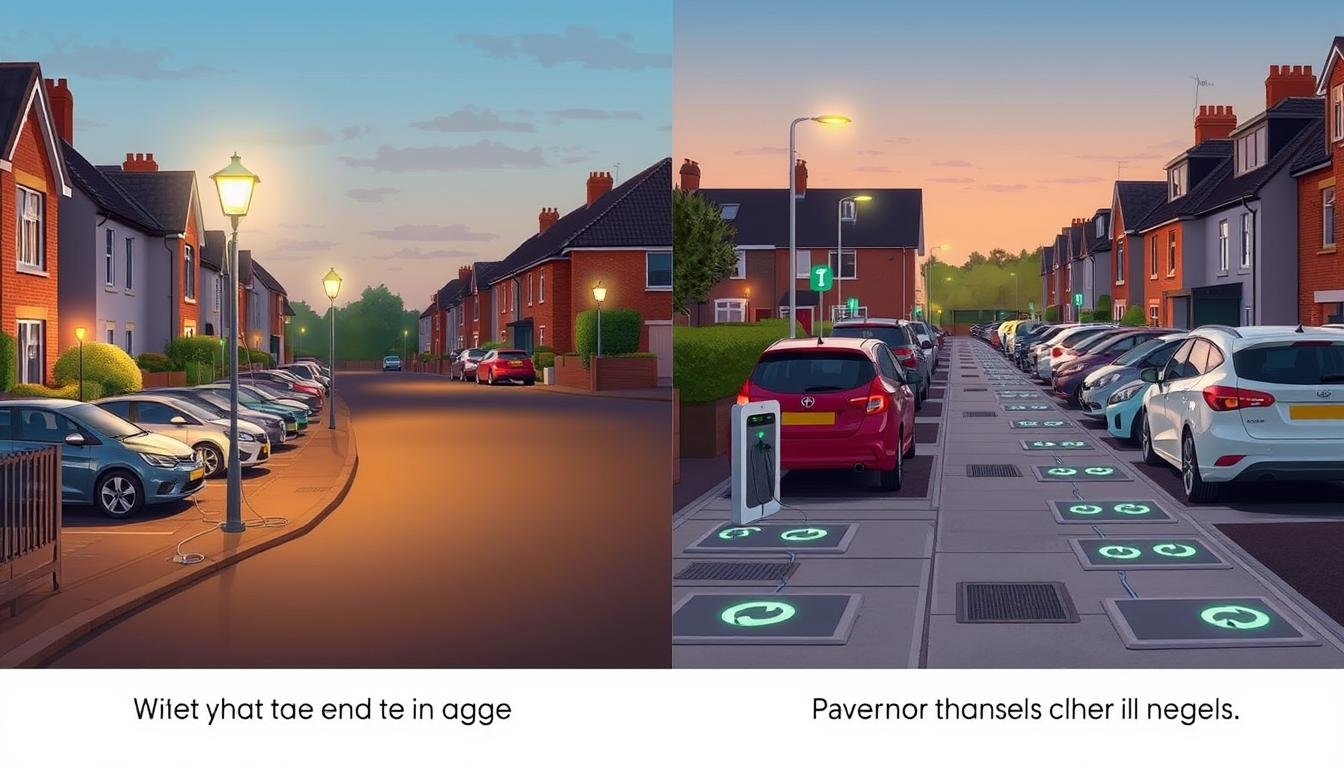
The focus extends beyond motorways. Urban parking spots and residential streets will see innovative solutions. The aim is to make charging accessible for everyone, even without a driveway.
My research shows a concerted push to standardise the infrastructure. This will support the growing number of cars on our roads. The content of your journey planning will become far simpler.
Conclusion
The journey to mastering electric vehicle charging ends with practical confidence for your daily travels. I hope this content has given you the essential knowledge required.
Understanding the differences between connectors, including CCS, is crucial. Mastering the basics of home and rapid charging ensures your car is always prepared for your next journey.
Selecting the correct charger type is the best way to protect your vehicle's battery and save valuable time each day. I aimed to provide clear content that simplifies a complex subject for every driver.
By using the right charger, you can enjoy the full benefits of electric mobility in Britain. This content serves as your foundation for using the expanding network of stations.
Thank you for reading this guide. I wish you many happy and efficient miles ahead.