Did you know that over a third of households in Britain have no dedicated off-street parking? For private tenants dreaming of an electric vehicle, this fact creates a major hurdle. Finding a reliable and affordable power source is crucial.
Since new grant rules came into force on 1 April 2026, the landscape has shifted. The government now offers specific support for those who rent or own a flat. This guide cuts through the complexity.
I will explore the most cost-effective methods for you to get set up. We'll compare the viability of using street furniture with traditional private installations. Understanding the specific requirements for a home unit is now essential.
My aim is to detail how you can secure a unit that fits your rental situation. You can do this while staying fully compliant with your tenancy agreement. By following clear steps, you can navigate grants and landlord permissions to a successful, budget-friendly setup.
Key Takeaways
- New government grant rules, active from April 2026, specifically support tenants and flat owners.
- Understanding the specific requirements for a home-based unit is now essential for private renters.
- This analysis compares the cost and viability of on-street solutions versus private off-street installations.
- You can secure a compliant installation that aligns with your tenancy agreement.
- Navigating the available financial support and landlord permissions is key to an affordable setup.
- Choosing the right solution depends heavily on your specific parking situation and local infrastructure.
Introduction to EV Charging in Rental Properties
A significant shift towards cleaner transport is underway, yet residents in flats and rented houses often feel left behind. While owning an electric vehicle is increasingly common, accessing convenient power at home is a major hurdle for tenants. I will show you that effective solutions exist, but they require navigating a specific set of practical and legal challenges.
Understanding the Rise of EVs in the UK Rental Market
Electric vehicles are now a regular sight on British roads. This change is accelerating, with more people making the switch every day. For those in rented accommodation, the desire to charge a car conveniently at home is strong. It offers cost savings and fits seamlessly into daily life.
This growing demand creates a new dynamic in the rental market. Tenants are now actively seeking properties that support their modern transport needs. Landlords are beginning to see the installation of a power unit as a valuable asset.
Overview of Practical Challenges for Renters
The core issue for a tenant is the need for fixed electrical work. Installing a dedicated charger involves making permanent changes to a property's structure. Many assume this is impossible under a standard lease agreement.
My analysis confirms that a lack of dedicated parking is a frequent barrier. It complicates the installation process. However, with the right approach, several viable options are available today. The key is a professional plan that addresses a landlord's concerns about safety, aesthetics, and property value.
Navigating Charger Installation as a Tenant
| Common Renter Hurdle | Potential Solution Pathway |
|---|---|
| Requiring landlord permission for permanent work | Presenting a clear proposal highlighting safety certifications and potential property value increase. |
| No dedicated off-street parking space available | Investigating on-street charging schemes operated by your local council. |
| Worries about high cost and installation disruption | Researching government grants and using certified installers known for tidy work. |
| Uncertainty about the unit at the end of your tenancy | Agreeing on a written plan for removal, transfer, or buy-out upfront. |
Overcoming these hurdles starts with understanding them. The next step is learning how to communicate your plan effectively.
Navigating Landlord Consent and Installation Requirements
For tenants, transforming a rental property to support an electric vehicle hinges on one key document: landlord consent. You cannot proceed without formal approval from the owner or their managing agent. I always advise starting with a thorough review of your tenancy agreement.
Look for specific clauses about alterations or electrical work. Many standard contracts require you to seek permission before making any changes. Identifying these terms early shapes your approach.
Legal Considerations and Written Approvals
Securing written consent is not just a courtesy; it's a legal safeguard. A clear, signed document protects both you and the property owner. It should outline the scope of the installation work.
Present your proposal as a value-adding upgrade for the home. Highlight how a modern charging point can increase the property's appeal. This perspective often encourages a positive response from the management.
Planning End-of-Tenancy Arrangements
Thinking ahead is crucial. Your written agreement must define who owns the equipment. Will you remove the charger when you leave, or could the landlord purchase it?
Establishing these terms upfront prevents disputes later. Proper documentation also covers long-term maintenance and safety responsibilities. It ensures a smooth process for everyone involved.
Understanding "lamp post pavement EV charging renters UK" Solutions
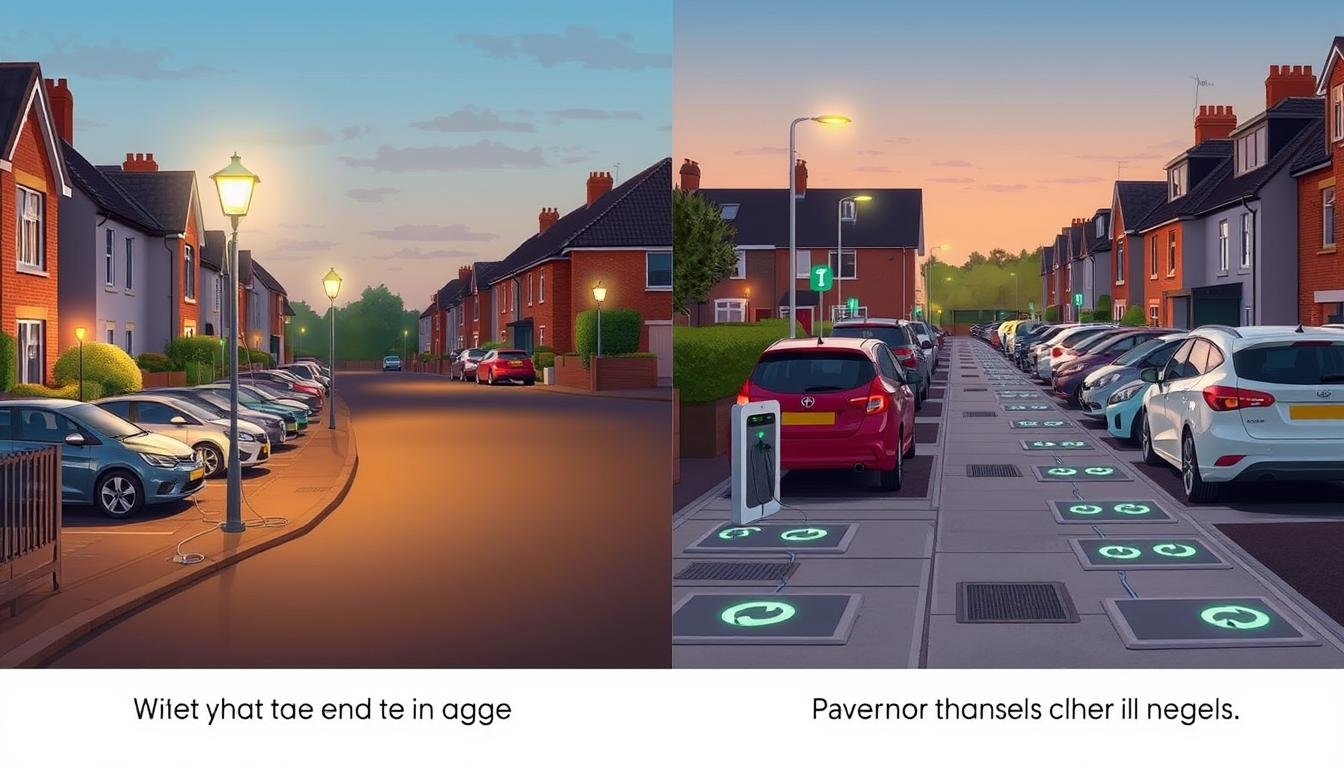
When a driveway isn't an option, your local council becomes a key partner in finding a workable solution. The landscape for powering an electric car is evolving, especially for residents in flats or houses without private space.
My focus here is on the formal pathways available when you rely on public land for parking.
Exploring On-Street and Off-Street Charging Options
Your local authority acts as the highways authority. This means they control all equipment installed on public streets. For a permanent home-based solution that crosses the pavement, you need their specific permission.
I have seen some councils begin to permit these installations where private parking is unavailable. You must contact them directly to see if your street is suitable.
This assessment is based on technical feasibility and local demand. The council will evaluate the pavement's condition and the available electrical supply.
Unlike a private setup, any street-based unit must be managed by the local authority. This ensures it remains available for appropriate public use. This route is more complex than a driveway installation.
It requires patience while the council assesses your specific location. A clear understanding of this process is your first step towards a potential solution.
Comparing Charger Types and Installation Options for Renters
Two key choices define your home charging setup: the mounting method and the cable connection type.
Wall-Mounted versus Post-Mounted Chargers
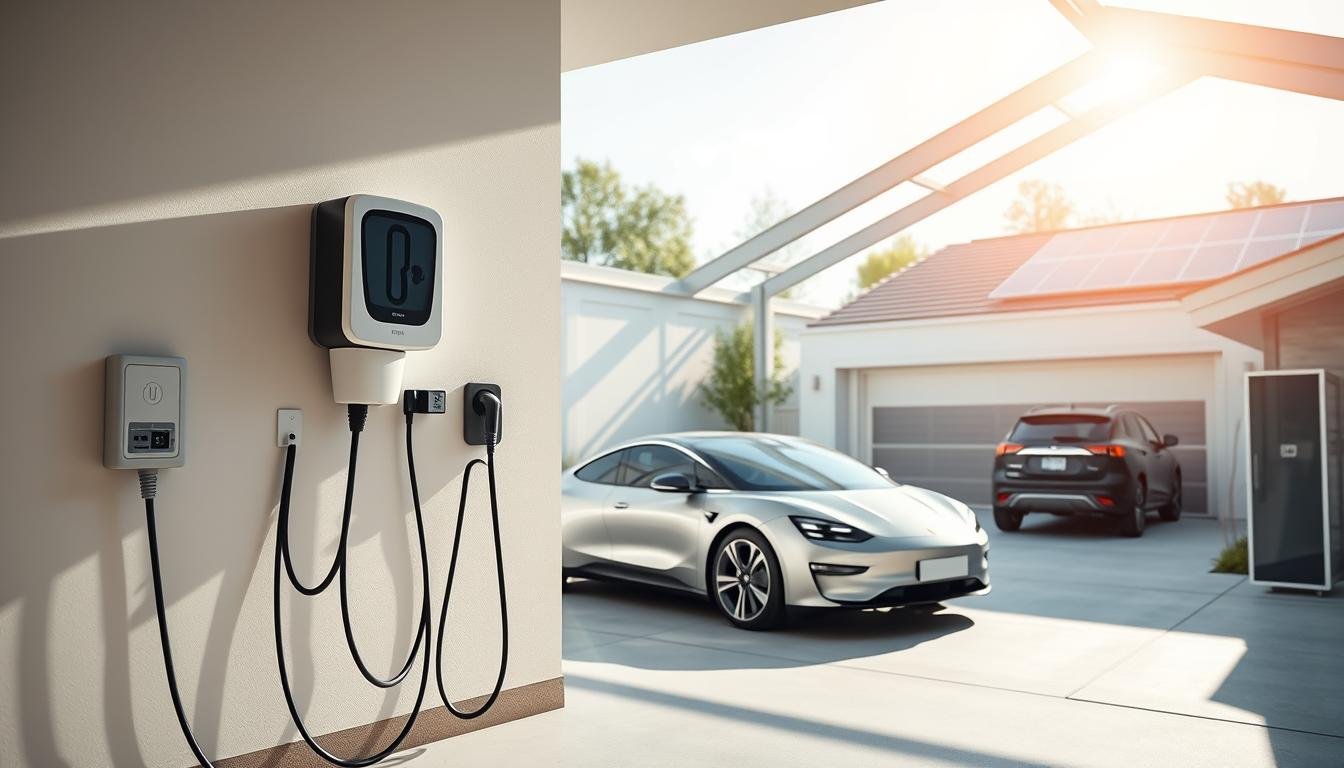
Wall-mounted units are the standard for homes with a private driveway or secure garage. This option typically offers the most straightforward installation.
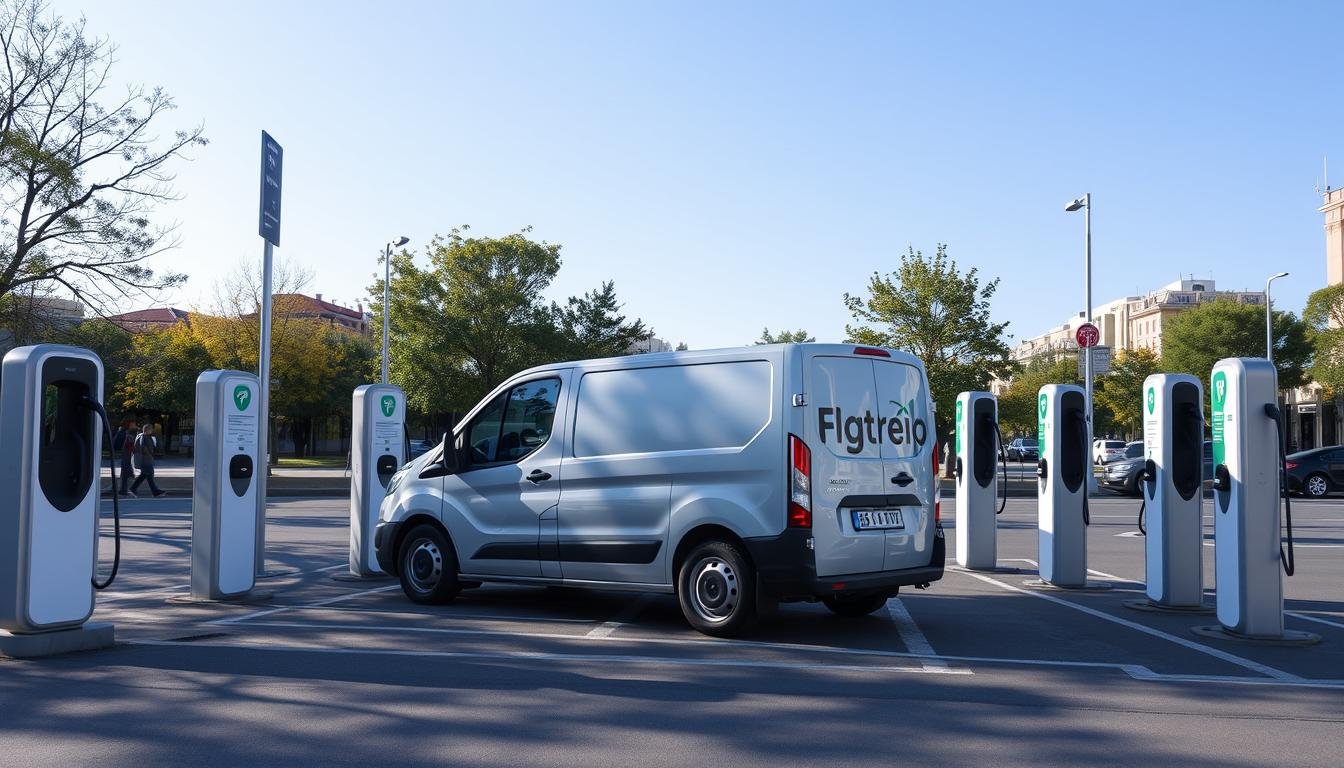
For a detached parking space, a post-mounted charger is often necessary. It provides a robust way to deliver power where fixing to a wall isn't possible.
Tethered versus Untethered Chargers
A tethered unit has a cable permanently attached. This offers great convenience for daily use but can be harder to relocate to a new site.
An untethered model uses a separate cable you plug in. I suggest this for a tidy look and the flexibility to remove the equipment.
Power Unit Option Comparison
| Type | Key Feature | Best For |
|---|---|---|
| Wall-Mounted, Tethered | Permanent cable; very convenient | Private driveways with long-term tenancy |
| Wall-Mounted, Untethered | Neat socket; flexible cable management | Garages or where you may move the unit later |
| Standalone Pole, Tethered | Fixed cable on a pole | Detached parking spaces needing robust power delivery |
| Standalone Pole, Untethered | Socket on a pole; most adaptable | Future-proofing a rental parking space |
Every installation should be performed by a qualified professional. This ensures all safety features are correctly integrated into your home's electrical system.
Exploring Grant Opportunities and Cost Considerations
Understanding the available grants can turn the dream of installing home chargers into an affordable reality. The financial aspect often feels daunting, but targeted support exists to help.
Eligibility and Application for Government Grants
A key government initiative offers substantial aid. Eligible individuals can claim up to £500 per socket or 75% of the total installation cost.
Since 1 April 2026, applications must go through the government’s Find a Grant service. I strongly advise verifying your eligibility on the official portal before starting the process.
Assessing Installation Costs and Financial Benefits
The final price for a charger installation depends on several factors. The chosen model and cable run complexity are primary drivers of costs.
Smart energy features in modern charging points let you monitor electricity use closely. This is invaluable if you pay for the power yourself.
By leveraging these grants, you dramatically cut the upfront expense. It makes installing a capable system at home a sound financial move.
Technical Aspects of Safe and Efficient EV Charger Installations
The success of your home charging project depends heavily on two critical technical factors: capacity and cabling. Getting this right from the start ensures a safe, reliable, and cost-effective system.
Evaluating Electrical Capacity and Cable Routing
A 7.4kW output is the standard for most residential installations. Your qualified installer must first check the existing consumer unit. This confirms your home's electrical network can support the new demand without risk of overload.
Proper cable routing is equally vital. It ensures safety and maintains good aesthetics. This is especially important when your dedicated parking space is located far from the main power supply.
I strongly recommend opting for a smart charger. Modern units offer significant advantages:
- They can automatically adjust their power output to prevent tripping the main breaker during peak energy use.
- Built-in scheduling features let you programme sessions to coincide with a cheaper off-peak electricity tariff.
Ensuring full compliance with all safety regulations is the most important part of the process. This protects both you as the tenant and your landlord, making the entire installation a secure and valuable addition.
Effective Communication with Landlords and Local Authorities
The final hurdle before installation is rarely technical; it's about effective communication and clear agreements. Your success depends on framing the request as a logical upgrade, not a disruptive demand.
Presenting a Clear, Value-Adding Proposal
When you approach your landlord, focus on the long-term value. I suggest highlighting how a modern power unit makes their property more attractive to future tenants. Prepare a document that outlines the process.
It should detail the safety certifications of the chosen charger and provide a transparent breakdown of expected costs. Including information on available government grants is a powerful way to show the financial burden is manageable. This turns your proposal into a compelling business case.
Managing Approvals from Multiple Stakeholders
For those in a flat, the process often involves more people. You may need consent from a freeholder or a managing company. Their primary concern is often how the work affects shared spaces.
You must coordinate to ensure cable routing does not impact communal areas. Maintaining open dialogue with every stakeholder from the start is crucial. It prevents delays and ensures all necessary permissions are secured before your installer begins work.
Conclusion
Securing your own charging point at a rental property is an achievable goal that delivers long-term convenience and savings. I have shown that with the right planning and open dialogue, it is entirely possible for renters.
By leveraging government grants and selecting the correct charger, you can make home charging an affordable reality. This significantly reduces your upfront costs.
Always use a qualified installer. This maintains the safety and integrity of your home electrical network. Modern chargers offer smart features for efficient energy use.
Whether you choose a wall-mounted or a standalone unit, the long-term benefits far outweigh the initial effort. You gain daily convenience and can schedule sessions to use cheaper tariffs.
By following these steps, you can successfully meet parking and infrastructure requirements. This allows you to enjoy the full advantages of electric vehicle ownership.