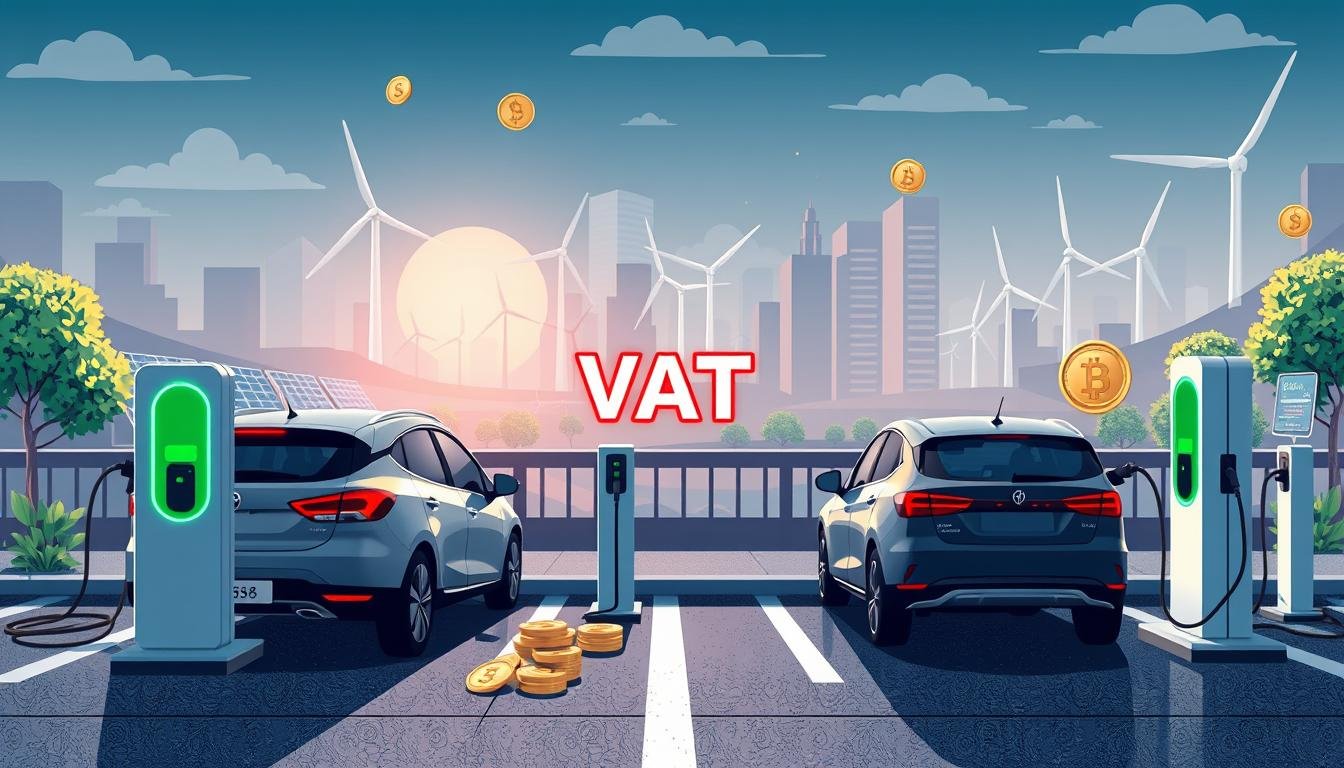
Over 1.7 million electric cars now cruise British roads, but as of April 2025, their free pass has officially ended. The government abolished the long-standing exemption from vehicle excise duty for zero-emission vehicles. This marks a significant shift in the nation's motoring landscape.
For years, choosing an electric vehicle came with the perk of avoiding this annual charge. The Treasury has now changed the rules to create a fairer system for all road users. The Driver and Vehicle Licensing Agency (DVLA) manages this updated tax collection.
Most owners of these cleaner cars will face a new financial consideration. The standard annual rate for the coming year is set at £200. This change requires drivers to adjust their yearly budgeting for vehicle costs.
This guide explains the essential details every motorist must understand. We will clarify how the new system works and what you need to do to stay compliant. It is time to plan for this updated aspect of car ownership.
Key Takeaways
- The exemption from paying vehicle excise duty for electric cars ended on 1 April 2025.
- With over 1.7 million such vehicles registered, the change affects a large number of British drivers.
- The standard annual charge for most of these cars during 2026 is expected to be £200.
- The DVLA is responsible for collecting this revised form of motoring tax.
- Drivers should factor this new cost into their annual financial planning for their vehicle.
- The government's stated aim is to create a more consistent and fair revenue system.
- Understanding the new rules is crucial for all owners to ensure they meet their legal obligations.
Overview of the EV road tax 2026 UK Reforms
A major overhaul of vehicle taxation has arrived, fundamentally altering the financial landscape for owners of zero-emission models.
The era of tax-free motoring for new electric cars is conclusively over. From 1 April 2025, every such vehicle registered must now pay vehicle excise duty. The standard annual charge for the 2026 period is set at £200 for most automobiles.
These changes represent a significant policy shift. The government aims to create a fairer system as more drivers adopt cleaner technology. The revenue also supports vital transport infrastructure funding.
For motorists, the key implications are clear:
- All battery-electric cars registered after the April 2025 deadline are liable.
- Annual budgeting must now include this new cost.
- Understanding the updated rates is essential for financial planning.
This move ends a long-standing perk. Owners and prospective buyers must now factor this charge into their total cost of ownership.
Background and Evolution of Road Tax Policies in the UK
Britain's approach to charging drivers for using the roads dates back over a century. This system, officially called Vehicle Excise Duty (VED), has continually adapted to new technologies and societal needs.
Historically, this duty has been a primary method for the government to generate revenue. It contributes approximately £5 billion annually to the Treasury's general fund. This significant income supports various public services across the country.
A major evolution occurred in 2014. The Driver and Vehicle Licensing Agency (DVLA) retired the iconic paper tax disc. Modern enforcement now relies on a sophisticated network of automatic number plate recognition (ANPR) cameras.
These cameras cross-reference every vehicle on the motorway with a central database in real-time. While the public often calls this charge "road tax", the money is not ring-fenced for transport. It goes into the national pot.
Understanding this history explains the recent policy shift. As motoring technology advances, the framework for duty collection must also evolve to ensure fairness and sustainability for all.
Changes to VED for Electric Vehicles
To determine your correct VED band, you must first locate the 'Date of First Registration' on your V5C logbook. This date is now the decisive factor. The system splits into two distinct paths based on this information.
Your annual charge depends entirely on which side of a key historical deadline your vehicle falls.
Why Your Car's Age Matters
Automobiles registered between 1 March 2001 and 31 March 2017 are assessed differently. They follow a CO2 emissions-based tax structure. This means the amount you pay is tied directly to your model's official emission figures.
For a car registered in April 2017 or later, the calculation is much simpler. These vehicles are subject to a standard annual rate. This fixed charge applies to the vast majority of newer models.
| Registration Period | Tax Structure | Key Determinant |
|---|---|---|
| 1 March 2001 - 31 March 2017 | CO2 Emissions Band | Official CO2 g/km Figure |
| On or after 1 April 2017 | Standard Rate | Fixed Annual Charge |
This creates a situation where two identical makes could have different VED costs. The difference hinges solely on their first registration date.
Always check your V5C document for the exact details. Confirming this date is essential to ensure you pay the right amount and avoid any penalties.
Standard VED Rates and the Expensive Car Supplement
Calculating your total liability involves more than just the standard annual payment for many motorists. The updated system has two core parts: a universal rate and a potential surcharge.
Understanding the Standard Rate for 2026
For automobiles first registered on or after 1 April 2017, a fixed annual charge applies. This standard rate is set at £200 for the coming period. It forms the baseline cost for most drivers.
Criteria for the Expensive Car Supplement
An additional levy targets higher-value models. From April 2026, the £50,000 threshold for this supplement applies specifically to electric vehicles.
The key figure is the original manufacturer's list price, not what you paid. If this price meets or exceeds the limit, an extra £440 is added per year. This charge lasts for the first five years of registration.
| List Price | Annual Supplement | Standard Rate | Total Annual Cost |
|---|---|---|---|
| Below £50,000 | £0 | £200 | £200 |
| £50,000 and above | £440 | £200 | £640 |
Therefore, a vehicle above the threshold incurs a combined yearly duty of £640. Always verify your model's official list price to budget accurately.
Mileage-Based Charge: Introduction to eVED
The concept of taxing mileage rather than ownership is moving from theory into planned reality. The government has announced a new pay-per-mile system called eVED. This aims to address a growing shortfall in Treasury revenue.
It is currently scheduled for introduction in 2028. The Driver and Vehicle Licensing Agency (DVLA) is now consulting on its implementation.
How eVED Works for EVs and Plug-In Hybrids
Under the proposed pilot, charges would vary by vehicle type. Pure battery-electric car drivers would be charged 3p per mile. Owners of plug-in hybrid models would pay a lower rate of 1.5p per mile.
This policy directly targets the decline in income from traditional fuel duty. As more motorists switch, the tax take from petrol and diesel falls. The new system seeks a fairer way to fund road maintenance.
How mileage would be tracked is under discussion. One suggestion is for annual distance to be verified during MOT tests. While this represents a future shift, it signals a fundamental change in how vehicle use could be taxed.
Comparing EV, Petrol and Diesel Road Tax Structures
Gone are the days when your choice of fuel determined your annual tax bill. The system has been redesigned to create a level playing field.
Since April 2025, the previous exemption for electric cars has been removed. Most new vehicles now face the same standard annual charge.
For any automobile first registered on or after 1 April 2017, the rate is a flat £200. This applies to battery-electric, petrol, and diesel models alike.
Alternative fuel vehicles and hybrids have also seen their rates equalised. The goal is a simpler, fairer structure for all drivers.
Drivers of older petrol and diesel cars may still pay different amounts. Their charges are based on the specific CO2 emissions of their vehicle.
The table below summarises the current standard rates for newer registrations.
| Fuel Type | Standard Annual Rate (Post-April 2017) | Key Note |
|---|---|---|
| Battery Electric | £200 | Exemption ended April 2025 |
| Petrol | £200 | Rate equalised with other fuels |
| Diesel | £200 | Rate equalised with other fuels |
| Alternative Fuel / Hybrid | £200 | Previous lower rates removed |
Impact of Government Policy Changes on EV Owners
The latest fiscal adjustments have a direct financial impact on a large group of British motorists. Understanding the government's reasoning behind these moves is crucial for every affected driver.
Policy Rationale Behind the Reforms
The core policy rationale is twofold. First, it aims to create a fairer system as adoption of cleaner technology grows. With over 1.7 million such automobiles now in use, the previous exemption became harder to justify.
Second, it secures a sustainable revenue stream for the Treasury. Income from traditional fuel duty is declining. This change ensures all users contribute to national infrastructure.
These adjustments have been met with mixed reactions. Many owners previously enjoyed a zero-rated benefit. Policy experts suggest this step is necessary. It balances environmental goals with the practical needs of fiscal management.
Financial Implications and Cost Projections for 2026
Budgeting for automobile ownership now includes predictable annual charges. The reforms establish fixed costs that drivers must account for in their financial planning.
Annual Cost Breakdown and Savings Analysis
For most motorists, the financial impact is clear. The standard vehicle excise duty rate stands at £200 per year. This applies to the majority of modern automobiles.
Owners of premium models face an additional charge. When a car's list price meets the £50,000 threshold, a £440 supplement applies. This creates a total annual tax bill of £640 for five years.
These expenses are now permanent features of using Britain's road network. Incorporating them into your annual budget prevents financial surprises. Planning ahead ensures compliance with the updated system.
Despite this new cost, zero-emission cars often prove more economical long-term. Significant savings on fuel and servicing can balance the duty payment over several years of ownership.
Drivers should consult the official government calculator. This tool provides precise projections based on your specific vehicle details and registration date.
Taxation for Pre-2025 Registered Electric Vehicles
Your car's age, not its fuel type, is the primary factor for calculating the latest charges. If your zero-emission model was first registered between 1 April 2017 and 31 March 2025, you are liable for the standard annual rate of £200.
For older electric cars registered before April 2017, the liability is much lower. The annual charge for these vehicles is often capped at just £20. This acknowledges the different fiscal environment when they were purchased.
It is crucial to verify your specific registration date on the V5C logbook. This single detail determines your correct tax obligation. Always confirm this to ensure you pay the right amount to the DVLA.
Understanding Company Car Tax and Benefit-in-Kind Adjustments
For employees driving a company-provided vehicle, the tax landscape is shifting once again. The rules governing the Benefit-in-Kind (BiK) charge are being updated, directly affecting your monthly take-home pay.
This change requires both staff and fleet managers to review their current arrangements.
Key Considerations for Fleet and Company Car Owners
The central update is the BiK rate for electric company cars. It will rise from 3% to 4% starting on 6 April 2026. This increases the taxable value of this employee benefit.
Despite this rise, the financial case for electric models remains strong. They are still significantly more tax-efficient than traditional petrol, diesel, or even hybrid company vehicles. Choosing battery power continues to offer substantial savings.
Fleet managers and payroll departments must adjust their calculations. Employees will see a slight increase in their monthly deductions to account for the higher taxable value. Proactive planning ensures a smooth transition.
For businesses, this adjustment reinforces the logic of choosing electric. The overall tax efficiency still makes these cars the default choice for cost-conscious fleets. Expert advice is valuable for navigating the details.
"While the BiK rate is increasing, the fundamental tax advantage of an electric company car is unchanged. Employees and businesses should model the impact on their specific circumstances to understand the net effect on monthly budgets."
Navigating Online Resources and DVLA Guidelines
The Driver and Vehicle Licensing Agency (DVLA) provides a central online hub for all motorists to manage their legal duties. The official Gov.uk website is your primary resource. You can check your vehicle tax status and confirm your next payment date in real-time.
You must complete the tax process for your vehicle every single year. This is a legal requirement, even if your vehicle is exempt from paying a fee. Failing to make this declaration is an offence.
The DVLA offers clear guidelines on managing your vehicle tax. You can set up a direct debit for automatic annual payments. This ensures you never miss a deadline and avoids potential penalties.
| DVLA Online Service | Purpose | Key Action for Driver |
|---|---|---|
| Check Vehicle Tax | View current status and expiry date. | Confirm your vehicle is correctly taxed. |
| Tax Your Vehicle | Declare a vehicle for use on the public highway. | Complete the process, even for zero-cost vehicles. |
| Update V5C Details | Ensure your address is current. | Receive official reminders and correspondence. |
| Manage Direct Debit | Automate future payments. | Set up and review annual payment instructions. |
Digital enforcement is now widespread. A network of automatic number plate recognition cameras constantly monitors the UK's roads. If your car is untaxed, it can trigger an immediate fine.
Always keep the address on your V5C logbook up to date. This ensures the DVLA can send you timely reminders about your vehicle's tax. Proactive management helps you stay compliant effortlessly.
Insights from Automotive Industry Experts
The automotive sector's response to the updated duty structure provides valuable context for drivers. Senior figures offer clarity on the rationale behind the changes and what may come next.
Expert Opinions on the Recent VED Changes
Jordan Metson, a Senior Marketing Executive at Harwoods, highlights a key benefit. The new £50,000 threshold for the luxury tax makes premium electric driving more accessible.
Industry experts broadly agree these adjustments are necessary. They modernise the fiscal system as Britain moves toward a fully electric future. This provides clearer long-term expectations for all drivers.
Future Trends in Electric Vehicle Taxation
Analysts point to a continued shift away from fuel-based duties. The proposed eVED system represents a long-term strategy for the government.
Future models will likely focus on usage-based charging. This means tax could be tied directly to miles driven on public roads. Such a system aims for greater fairness as motoring evolves.
| Aspect | Current VED Approach | Future Direction |
|---|---|---|
| Basis of Charge | Fixed annual rate per vehicle | Potential pay-per-mile model |
| Primary Goal | Equalise costs across fuel types | Link revenue directly to infrastructure use |
| Expert Outlook | Seen as stabilising the market | Viewed as an inevitable long-term shift |
Many believe these trends will help stabilise the automotive market. Experts from firms like Harwoods Leasing remain available to help motorists navigate this new landscape and plan their next car purchase with confidence.
Planning Your EV Purchase Under the New Tax System
Prospective buyers can secure significant savings by focusing on a single, crucial number. The £50,000 manufacturer's list price threshold now dictates your exposure to an annual premium.
This list figure includes any factory-fitted options you select. It excludes the initial registration fee payable to the DVLA.
Choosing a model below this limit lets you avoid the expensive car supplement. This saves you £440 every year for the first five years of ownership.
Online total cost of ownership calculators are invaluable tools. They help you budget for the standard £200 annual duty alongside other running costs.
When speaking with a dealer, ask for a full on-the-road price breakdown. This should detail VAT, delivery charges, and the first year's vehicle excise duty.
Careful planning with these figures in mind allows you to maximise your budget. You can take advantage of the current fiscal environment while steering clear of unnecessary premium charges.
Supporting Sustainable Motoring and Emissions Goals
The push for sustainable motoring aligns with broader national targets to cut harmful emissions from transport. This transition is a cornerstone of government strategy. It aims to significantly reduce nationwide CO2 levels.
Vehicles with zero tailpipe emissions offer a clear advantage. They contribute directly to better air quality in urban environments. This is a marked improvement over traditional petrol and diesel cars.
Revenue from the updated tax system supports vital road infrastructure. This tax revenue is essential for funding the network needed for more zero-emission vehicles. It ensures the sustainability of our transport system.
Choosing a cleaner car allows drivers to play a vital role. They support the national effort for a cleaner transport network. Every purchase moves us closer to climate goals and reduces dependence on fossil fuel.
| Vehicle Type | Tailpipe Emissions | Typical CO2 Output (g/km) | Urban Air Quality Impact |
|---|---|---|---|
| Battery Electric | Zero | 0 (tailpipe) | Low |
| Petrol (Average) | Yes | 120 | High |
| Diesel (Average) | Yes | 130 | High |
Practical Steps for Compliance and Financial Planning
To avoid penalties and ensure smooth ownership, drivers must adopt new habits for tax compliance. The updated system requires prompt action from the moment you acquire a vehicle.
You must tax your car immediately upon taking ownership. The duty is no longer transferable between owners. This is a critical first step to stay legal on the road.
Financial planning should involve setting aside the £200 standard rate for your annual vehicle excise duty. Budgeting for this cost prevents unexpected bills. The DVLA sends reminders before your charge expires at the month's end.
If you sell your automobile, notify the authorities promptly. You can receive a refund for any full remaining months of tax on your account. This helps manage your finances during a sale.
| Action | Deadline | Key Detail |
|---|---|---|
| Tax New Vehicle | Immediately upon purchase | Duty is not transferred with the car |
| Annual Payment | By expiry date each year | Standard rate is typically £200 |
| Sell & Claim Refund | Notify DVLA straight away | Refund for complete unused months only |
Keep a record of your vehicle's registration date and list price. This ensures you are correctly categorised within the current duty bands. Staying organised with your paperwork is essential.
Monitor your tax expiry date closely over the coming years. This proactive approach ensures you remain compliant with all government regulations. It makes vehicle ownership simpler and more predictable.
Conclusion
The integration of electric cars into the standard duty framework marks a pivotal moment for British motorists. The 2026 reforms represent a significant shift for all drivers.
Understanding the new standard rate and the £50,000 threshold is essential for effective financial planning. This applies whether you are a private owner or use a company car.
Looking forward, the proposed eVED system will continue to shape how we pay for using the national road network. Staying informed and compliant is crucial.
By planning ahead, you can manage this tax cost effectively. This allows you to enjoy the benefits of your vehicle for years to come while meeting your obligations.
FAQ
What is changing for electric vehicle owners in 2026?
From April 2026, owners of battery-electric cars will start paying vehicle excise duty for the first time. This ends the current exemption. The new system introduces a standard annual rate and a new mileage-based charge called eVED for newer models.
Will my existing electric car be affected by the new charges?
Yes, but the impact varies. All zero-emission cars registered on or after 1 April 2025 will pay the new standard rate and be subject to the expensive car supplement if applicable. Those first registered between April 2017 and March 2025 will pay the standard rate only from 2026.
What is the 'expensive car supplement' and does it apply to electric vehicles?
The expensive car supplement is an additional annual fee for cars with a list price over £40,000 when new. From 2026, this will apply to applicable electric vehicles, adding £390 to the standard rate for five years, starting from the second time the duty is paid.
How does the new mileage-based charge (eVED) work?
The eVED is a proposed per year charge for electric cars and plug-in hybrids registered from 2025. It aims to ensure these drivers contribute to road upkeep. The final rate and tracking method are still under government consultation.
How do the new VED rates compare for petrol, diesel, and electric models?
From 2026, the standard rate for most cars, regardless of fuel type, will be aligned. However, petrol and diesel vehicles still face different first-year rates based on their CO2 emissions, while new electric vehicles will have a separate first-year band.
What should I consider if buying a company electric car now?
Consider the Benefit-in-Kind (BIK) rates, which remain very low for electric vehicles until at least 2028. This makes them highly tax-efficient for company car users. However, be aware of the incoming VED and supplement costs that will affect the business's running costs from 2026.
Where can I find official information on these changes?
The DVLA and UK Government websites are the primary sources for official vehicle tax rules and calculators. Your vehicle manufacturer or a trusted motoring organisation can also provide guidance on the specific implications for your car.