Did you know there are now over 88,000 places to utilise for your electric transport across the country? This massive network is growing every day. It makes it easier for drivers to keep moving.
However, for those of us with larger vehicles, not every station is created equal. I have created this guide to help you navigate the complexities of finding an EV charging point for vans in the UK's public network that accommodates your vehicle's dimensions.
Understanding the specific requirements for your model is essential when planning your daily work routes. Something like a low-height barrier or a tight parking space can turn a quick stop into a major hassle.
I will explain how height restrictions and bay sizes impact your ability to successfully top up at various locations. My goal is to ensure you have the knowledge to select the most appropriate and accessible station every time.
Key Takeaways
- The UK's network of power points is extensive, but accessibility varies greatly.
- Larger electric vehicles face unique challenges at standard stations.
- Knowing your vehicle's exact height and length is critical for trip planning.
- Height barriers and marked bay sizes are the two most common restrictions.
- This guide aims to provide practical knowledge for seamless journeys.
Why Public Charging is Crucial for Van Owners
Owners of larger commercial vehicles often find that their energy needs extend far beyond what a domestic socket can provide. For them, accessing the public charging network is a necessity, not just a luxury. Research shows that approximately 78% of electric car drivers use these stations at some point.
This reliance highlights a fundamental shift in how we power our transport. I believe it is especially true for those who depend on their vehicle for work.
Benefits of Using Public Charging Stations
The primary advantage is operational flexibility. A reliable network of chargers allows you to top up during the day, extending your working range significantly.
This means you are not limited by the energy stored from an overnight session. It keeps your vehicle in a state of readiness for any task, wherever your day takes you.
Challenges of Home Charging for Vans
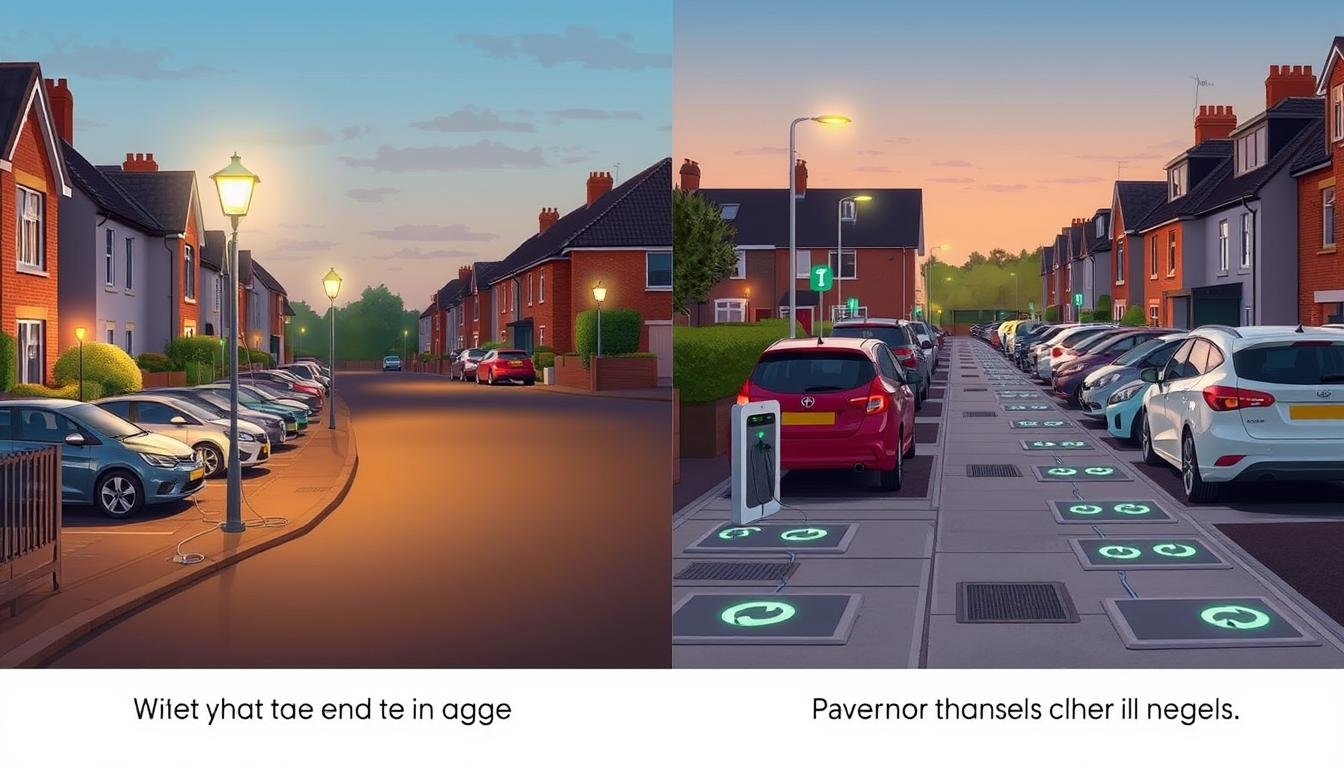
While convenient, home charging presents clear hurdles. Many van owners simply lack the required off-street parking to install a dedicated unit.
Relying solely on this method can be restrictive for high-mileage users. They need rapid energy replenishment that a residential property often cannot provide.
This dependency can tether your commercial vehicle to one location, which is impractical for most trades.
EV charging vans UK public charger: Height Restrictions and Fit Guidelines
One of the most overlooked aspects of using public chargers is ensuring your vehicle physically fits at the location. A station that works for a car might be completely inaccessible for a larger model. I always advise focusing on two critical measurements: height and bay size.
Understanding Height Restrictions at Charging Bays
Many stations, especially those in multi-storey car parks, have low entry barriers. These can easily block a taller commercial vehicle. You must check the height clearance listed for a site before you set off.
Signage at the entrance will state the maximum allowed. Ignoring this can lead to a frustrating detour. I recommend using mapping services that filter for stations with no such limits.
Choosing the Right Bay Size for Your Van
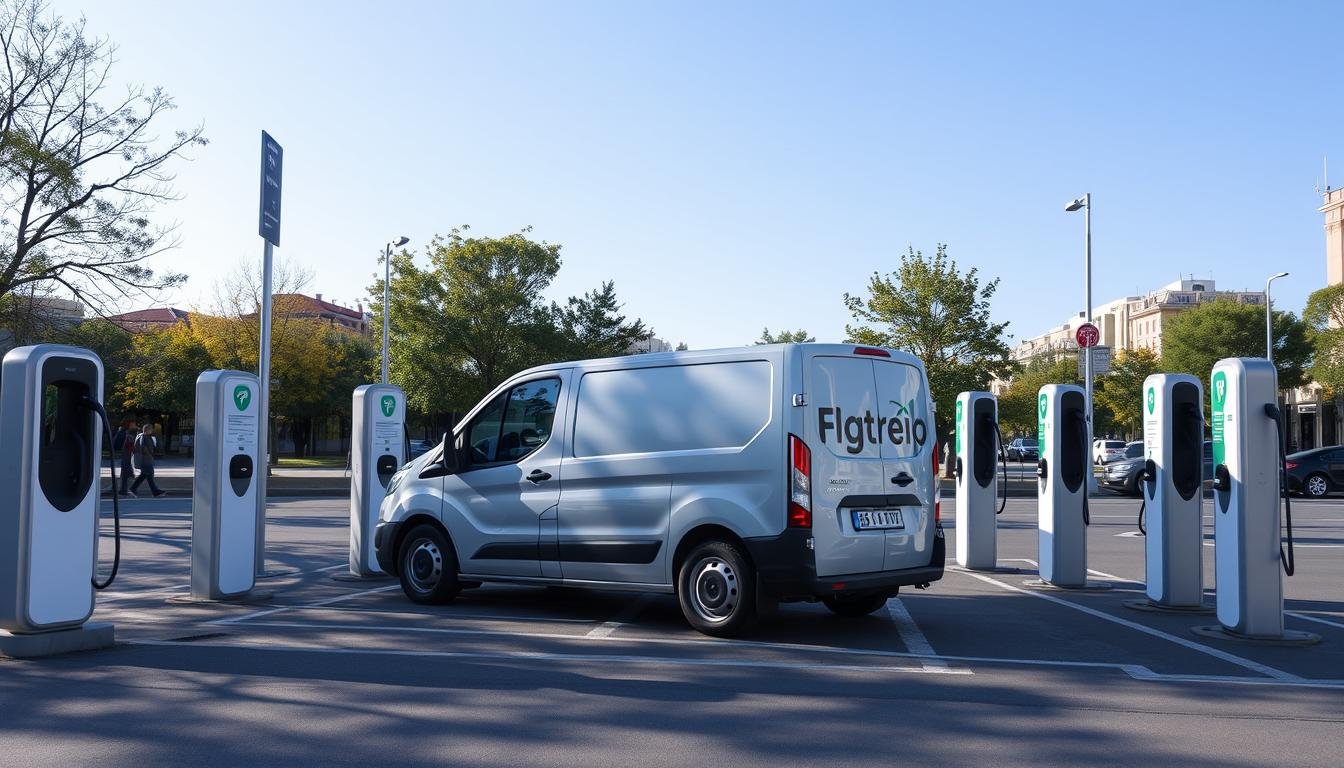
The marked space around a unit is just as important. A standard parking bay is often too narrow for a comfortable, safe connection. Look for locations that advertise wider bays specifically designed for larger vehicles.
Also, consider the approach. Some points are tucked into tight corners. Your turning circle must allow you to align properly with the cable. A quick visual check on an app's street view can save immense hassle on the day.
Here is a simple pre-visit checklist:
- Confirm the site's maximum vehicle height.
- Compare your length and width to the bay dimensions.
- Look for any notes about restricted access or tight manoeuvring.
How to Select the Best Charger for Your Van
The efficiency of your journey depends heavily on choosing the right type of energy replenishment point for your specific vehicle. I find that understanding your battery's capabilities is the essential first step.
Matching power delivery to your vehicle's acceptance rate turns potential downtime into productive time.
Comparing Rapid and Ultra-Rapid Options
Your commercial vehicle has a maximum intake capacity. Rapid chargers typically offer 50kW to 150kW output. This suits a substantial top-up during a lunch break.
Ultra-rapid units deliver 150kW to over 350kW. They slash waiting times dramatically for compatible models. The difference in charging speeds is substantial.
| Feature | Rapid Charging | Ultra-Rapid Charging |
|---|---|---|
| Power Output | 50 – 150 kW | 150 – 350+ kW |
| 80% Charge Time* | 30-60 minutes | 15-30 minutes |
| Best Use Case | Mid-route breaks | Quick turnaround |
| Common Connector | CCS, CHAdeMO | CCS |
*For a large battery
Always compare the speeds different networks provide. Paying for power your vehicle cannot use is an unnecessary expense.
Finally, check the physical connector type before you arrive. This simple verification prevents frustrating incompatibility issues.
Navigating Payment Methods and Subscription Options
Your choice of payment method can directly impact both your wallet and the convenience of your daily routine. Modern stations offer several ways to pay for your session. Understanding these options helps you optimise both time and money.
Contactless Versus App-Based Payment Methods
Many newer units now accept simple contactless card payments. This approach mirrors paying for fuel and requires no prior setup. It simplifies the process dramatically compared to older systems.
Using a provider's dedicated app is often necessary to access special member rates. These can be substantially lower than standard pay-as-you-go prices. Always check your mobile signal first, as some locations may prevent app access.
Assessing Subscription Benefits and Costs
A monthly subscription can significantly reduce your per-kilowatt-hour cost if you're a high-mileage driver. This model works across an entire network's stations. You pay a fixed fee for access to discounted prices.
Before committing, calculate your monthly energy usage. Ensure the savings outweigh the subscription fee. This analysis prevents paying for benefits you won't fully utilise.
| Payment Type | Access Method | Typical Cost Structure | Best Use Case |
|---|---|---|---|
| Contactless | Tap card/device | Standard rate per kWh | Occasional or one-off use |
| App (Pay-as-you-go) | Smartphone application | Member rates per kWh | Regular users of one network |
| Subscription | Monthly fee + app | Lower kWh rate + fixed fee | High-mileage drivers |
Exploring Different Charger Networks in the UK
A fragmented market of energy suppliers means careful selection is paramount. Not all providers offer the same level of service or convenience. I find that understanding the major players helps you build a reliable plan for your journeys.
Overview of Popular Charging Providers
Several key operators dominate the landscape. InstaVolt is renowned for its reliability, boasting a 99.8% uptime rating across its units. This makes it a dependable choice when you need power without fail.
GRIDSERVE offers extensive coverage, with over 1,500 bays across 190 locations. This vast network is excellent for drivers who travel widely and need consistent access.
For convenient top-ups, GeniePoint units at Morrisons supermarkets are a smart option. You can often achieve a 10-80% battery boost in the time it takes to do a weekly shop.
Specialised Services for Van Charging Needs
I have found that some networks are better suited for larger vehicles. Their layout frequently includes wider bays and simpler access for longer models. This practical design prevents hassle upon arrival.
When evaluating a provider, consider the density of their charging stations in your regular operating areas. A network with many locations on your daily routes provides far more operational flexibility than a sparse one.
Tips for Efficient Charging at Public Stations
Efficiency at the power point isn't just about speed; it's a deliberate strategy to maximise your vehicle's operational hours. I find a few smart habits make all the difference.
Time-Saving Strategies for Rapid Charging
Your battery's state when you arrive is crucial. For the fastest charge, aim to plug in with between 10% and 20% capacity remaining. This is where the system accepts energy most rapidly.
Plan your session length. The rate often slows dramatically beyond 80%. Limiting a rapid top-up to 30-45 minutes is usually optimal. You avoid paying for slower charging.
- External factors like cold weather can add minutes. Use your vehicle's pre-conditioning feature if available to warm the battery beforehand.
- Always watch the progress on the unit's screen or your app. Stop the session once you have enough energy for your next destination.
- True efficiency means planning stops strategically. You only need to charge the exact amount required to reach your goal or the next convenient point.
This approach turns a routine stop into a calculated part of your workday.
Understanding Charging Costs and Rates in the UK
The final amount on your energy bill is shaped by two main factors: the type of unit you use and the time of day you plug in. Costs are not a single flat rate. Understanding this variance is the first step to managing your operational expenses effectively.
Cost Comparison: Rapid Versus AC Charging
The price per kWh you pay depends heavily on the power delivery speed. High-output rapid chargers and ultra-rapid units command a premium for their convenience.
For example, networks like Shell Recharge can charge up to 93p per kWh at some service stations. This represents the higher end of the scale.
Slower AC points, often found in car parks or residential areas, typically have a much lower cost. To calculate a typical session price, organisations like the RAC use a 64.8 kWh battery as a standard baseline.
| Feature | Rapid / Ultra-Rapid Charging | AC Charging |
|---|---|---|
| Typical Power Output | 50 kW – 350+ kW | 7 kW – 22 kW |
| Typical Price per kWh | Higher (e.g., 70p – 93p) | Lower (e.g., 30p – 50p) |
| Best Use Case | Quick top-up on a journey | Extended stay, overnight |
| Common Locations | Motorway services, forecourts | Supermarkets, workplaces |
Impact of Peak and Off-Peak Pricing on Expenses
Many networks implement time-based tariffs. The price per unit of electricity can be significantly lower during off-peak hours, such as overnight.
I always advise checking your preferred provider's schedule. Shifting your energy replenishment to these cheaper windows can save a substantial sum on your total cost over time.
Mastering these two elements—charger type and timing—is essential for controlling the long-term price of running your fleet.
Practical Guidance for Avoiding Charging Hassles
Minimising downtime on the road starts with smart strategies to ensure your chosen station is ready when you are. I find that a little preparation prevents most common frustrations.
Ensuring Availability of Reliable Charge Points
Always verify the operational status of your intended locations before leaving. Use your provider's app to see live updates on availability and any faults.
It's wise to identify a backup charge point nearby. This simple step ensures you always have a number of options if your first choice is occupied or out of service.
Keeping your app updated is crucial. It guarantees you receive the latest information on network changes and pricing.
Troubleshooting Common Charging Issues
Many problems stem from a simple communication error between the unit and your vehicle. A quick restart of the session often resolves this.
If an issue persists, direct support is available. For example, drivers using Be.EV can call their team anytime on 0800 917 3208.
Having this number to hand turns a potential setback into a minor delay. It's a reliable safety net for your journey.
Adapting to Future Charging Technology Innovations
Innovation is accelerating, promising to reshape how we power our working vehicles in the coming years. For business operators, understanding these shifts is key to planning a smooth, long-term transition.
Emerging Trends in Van Charging Infrastructure
A clear trend is the move towards much higher power outputs. Future units will deliver energy far more quickly to large batteries. This will drastically cut waiting speeds for commercial models.
I also expect purpose-built hubs designed specifically for larger transport. These sites may feature drive-through bays. This clever layout removes the hassle of reversing a long vehicle.
As adoption grows, the national network must expand its total capacity. More electric vehicles on our roads will create greater demand. Infrastructure upgrades will be essential to keep everyone moving.
The user experience is set to improve dramatically. Next-generation chargers could feature integrated payment that recognises your model automatically. This would eliminate the need for cards or smartphone apps at the point.
Together, these advances will make the switch to electric power far more seamless. They address the practical pain points drivers face today. The future of charging looks both faster and far more convenient.
Preparation Tips Before Setting Off to Charge Your Van
Taking a few minutes to plan your energy stops can transform your entire working day on the road. I have learned that a little foresight prevents most common frustrations. It keeps my schedule running smoothly.
Pre-Trip Checklist for Charging Success
Before I leave, I run through a mental list. I verify my vehicle's remaining range and ensure I have a comfortable buffer. This buffer extends my practical range to reach an alternative location if needed.
I also use my navigation system to find charging stations and convenient locations along my intended route. Checking the connector type is a crucial part of this step. Proper preparation ensures I can maintain my delivery schedule without unexpected delays.
Planning Routes with Reliable Charging Stations
Planning stops at trustworthy stations is key to avoiding stress. I always check the provider's app to see if the units are currently in use. This simple action helps me avoid waiting in a queue with my car.
It also lets me see if any equipment is reported faulty. Arriving at a broken station is a major hassle I can easily avoid. I make it a habit to find charging options before I urgently need them. Accurate range knowledge is essential for any driver.
Other Considerations for Charging Your Electric Van in the UK
A holistic approach to powering your vehicle considers both cost-efficiency and daily practicalities. While plugging in at your property is often the cheapest method, it rarely meets all your operational needs on its own.
Balancing Home Charging with Public Options
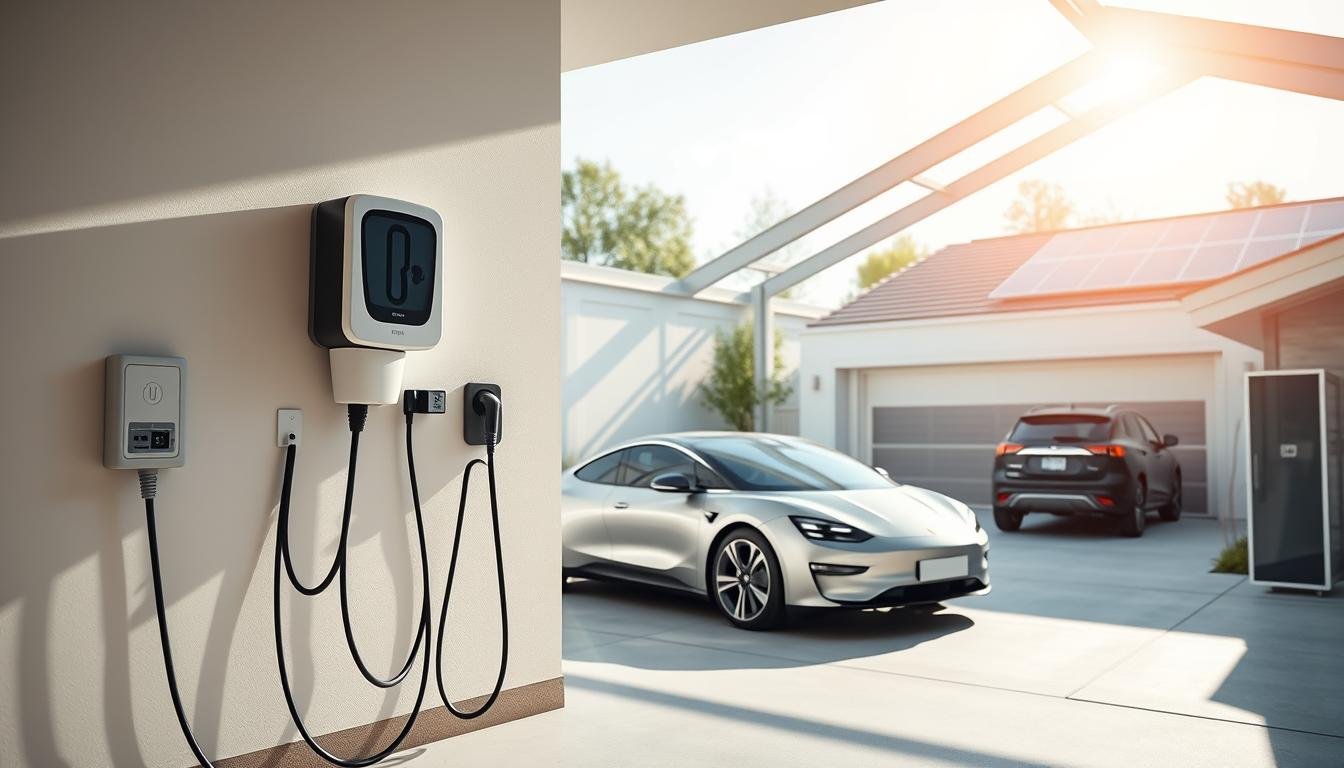
I find a mixed strategy works best. Using my domestic wall box overnight covers my baseline mileage. For longer days, I supplement this with stops at on-the-go locations.
Many of these public charging points are situated in car parks. This can be convenient, but always check for additional parking fees. These costs can increase the total amount you spend per session.
It's also wise to look for any time restrictions. Some car parks impose penalties if you stay beyond a set period, even while plugged in.
| Consideration | Home Charging | Public Charging |
|---|---|---|
| Typical Cost | Lower (e.g., off-peak tariff) | Higher (premium for speed & location) |
| Primary Location | Private driveway | Forecourts, retail parks, motorway services |
| Best For | Overnight replenishment, daily baseline | Mid-journey top-ups, extended range |
| Access Factor | Requires off-street parking | Subject to availability and potential fees |
The amount of energy you can add at home is limited by your equipment's power rating. Therefore, accessing the wider network remains an essential part of any practical plan for your car.
Conclusion
Ultimately, successful management of your electric fleet hinges on a blend of preparation, knowledge, and smart decision-making. Navigating this landscape well requires a solid grasp of your vehicle's specific requirements, the available infrastructure, and the session price.
By thoughtfully planning your routes and choosing the right stations, you can keep your commercial transport running smoothly all day. It's crucial to monitor the amount of energy used and the associated cost to maintain tight control over business expenses.
As the network of chargers expands, I believe the experience for drivers will become simpler and more dependable. I trust this guide has equipped you with the core insights to handle your vehicle charging needs with confidence.