Imagine a rapid charging network so vast it now boasts over 1,400 individual stations across the country. This isn't a future prediction; it's the current reality for electric vehicle drivers in 2026.
Since a pivotal pilot programme began in 2021, this extensive infrastructure has evolved. It now welcomes a growing variety of electric cars from different manufacturers. This shift marks a significant moment for sustainable travel.
For any driver considering a long journey, understanding this landscape is crucial. The availability of reliable, high-speed chargers can transform your experience on the road. It turns potential anxiety into confident travel.
Our comprehensive guide is designed to demystify this evolving system. We provide clear, up-to-date insights to help you navigate the process smoothly. You'll learn how to utilise these points efficiently and avoid common pitfalls.
This resource cuts through the complexity, offering practical advice for all electric vehicle owners. Whether you're a seasoned EV driver or new to the technology, our aim is to empower your next adventure.
Key Takeaways
- The rapid charging network in the country has expanded dramatically, featuring over 1,400 locations.
- This infrastructure is no longer exclusive to one brand, having opened to other electric vehicles since 2021.
- Understanding how to access and use these high-speed chargers is essential for stress-free long-distance travel.
- Our guide provides the latest 2026 information to help you plan your journeys effectively.
- Mastering the charging process with this network can significantly simplify your electric driving experience.
Introduction to Tesla’s Charging Network in the UK
The landscape for electric vehicle charging has been transformed by a decade of strategic infrastructure development. What began as a proprietary system has grown into a critical component of the national charging ecosystem.
An Overview of Tesla Superchargers and Their Evolution
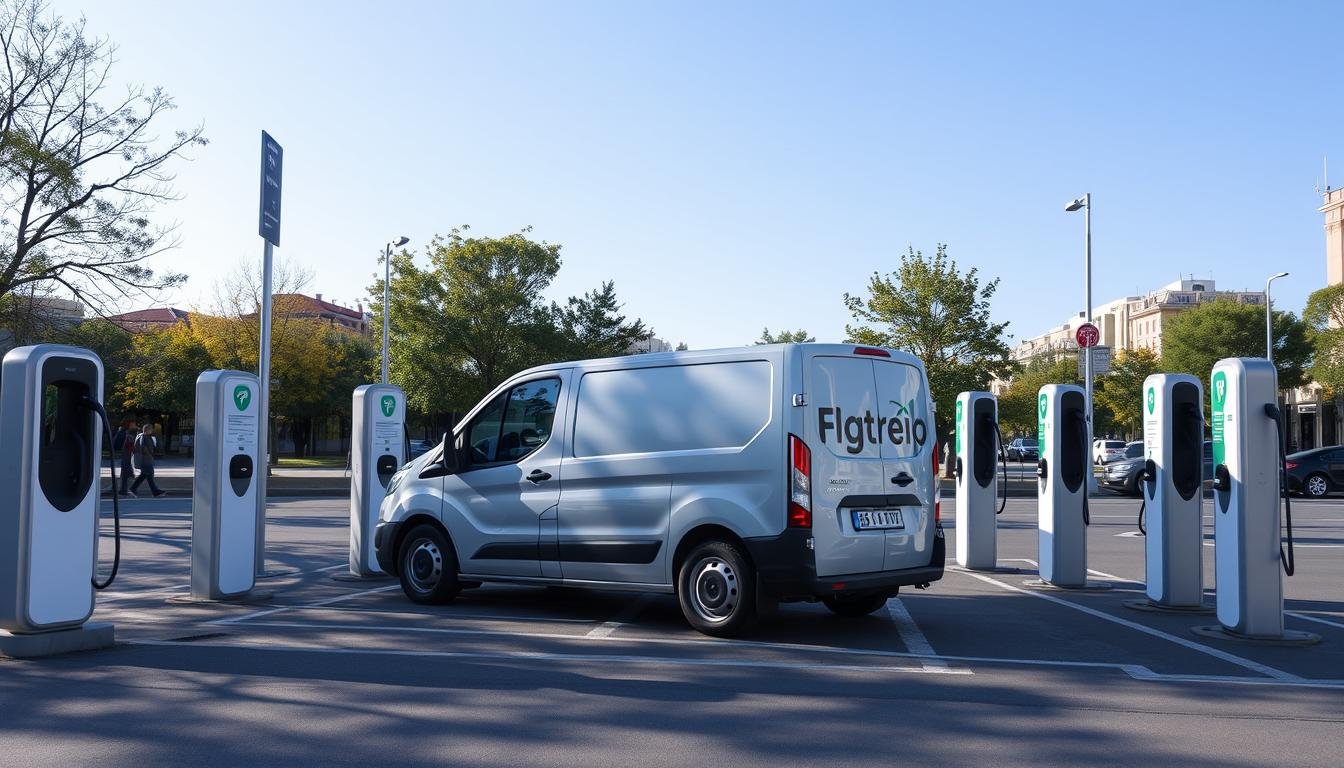
Since 2014, the company has installed over 1,400 rapid charging units across the country. This network has rapidly evolved from a closed, brand-exclusive system to one that now welcomes drivers of various electric vehicles.
The strategic placement of these stations along major routes has been a significant milestone. It integrates them seamlessly into the wider road network, allowing for confident trip planning.
The Impact on Electric Vehicle Adoption and Range Anxiety
The availability of ultra-rapid power directly addresses a major concern for potential buyers: range anxiety. A brief 15-minute session at a 250kW station can add approximately 200 miles of range, making long journeys practical.
This capability has fundamentally shifted perceptions. It proves that the right infrastructure encourages more people to consider an electric car. The experience is continually monitored to ensure it remains smooth for all users.
Tesla Supercharger non-Tesla UK: Access and Eligibility
Access to an extensive network of ultra-rapid chargers is now possible for a broader range of drivers. This change followed a pilot programme that launched in May 2022. Its goal was to test opening the infrastructure to other electric vehicles.
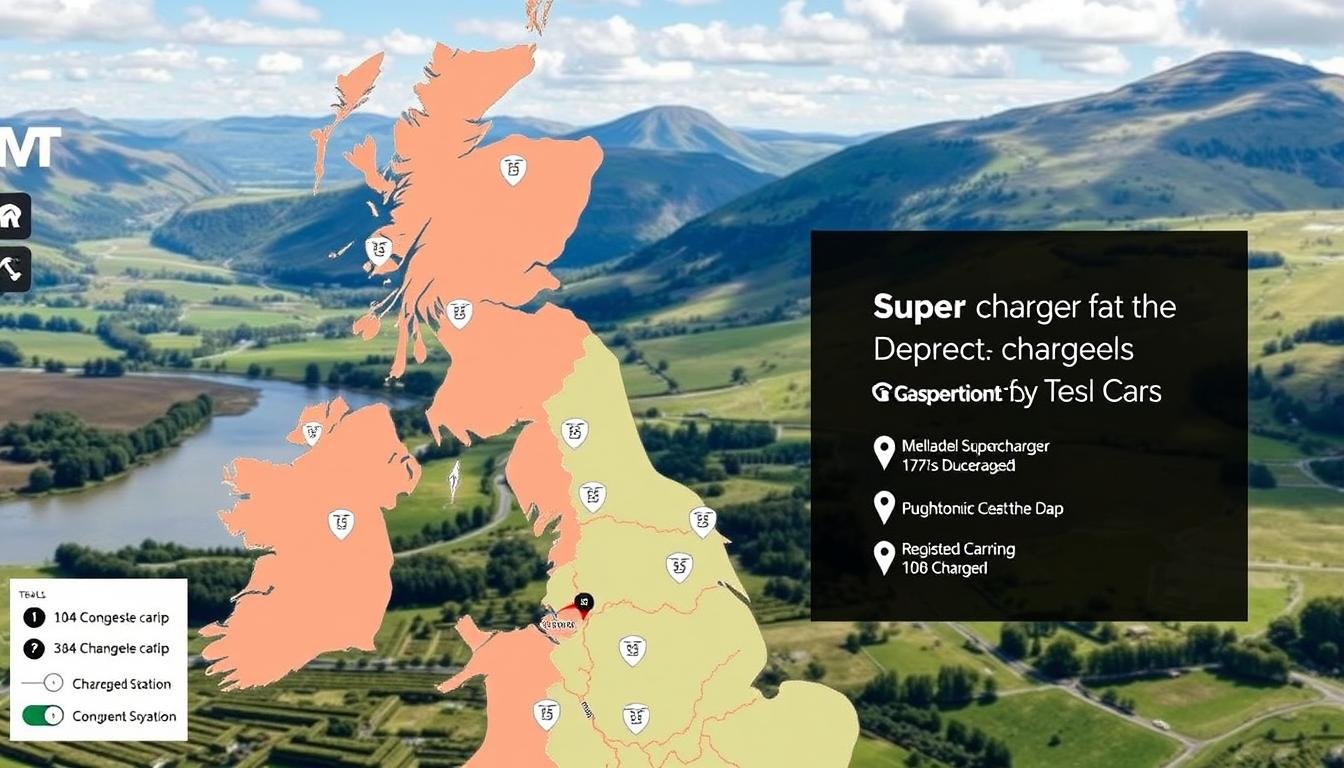
As of 2026, there are 477 individual chargers at 42 locations across the country open to non-Tesla drivers. To utilise these sites, your car must have a CCS (Combined Charging System) connector. This is now standard on most modern electric cars.
All access is managed securely through the provider's official app. You must use it to initiate and pay for a session. It is wise to verify your specific model's compatibility before you travel.
The company continually assesses the impact of wider access on the network. This ensures high availability for all users. Expanding this service supports the wider transition to sustainable energy.
Finding Your Nearest Tesla Supercharger
Modern electric vehicle drivers rely on intuitive apps and maps to locate the fastest charging points on their route. Two primary digital tools streamline this process, offering real-time data and precise navigation.
Using the Tesla App and Customised Search Features
The official Tesla app is a powerful tool for planning. Within it, you can activate a specific filter to display only those stations open to all compatible electric cars. This allows you to see live availability at each site, helping you avoid queues.
You can plan stops with greater confidence using this real-time data. We recommend checking the app before you depart to ensure your chosen location is operational.
Leveraging Carwow’s Interactive Supercharger Map
For a comprehensive overview, Carwow's dedicated map is an excellent resource. It visually plots every rapid charging location across the country.
You can search by your current postcode, town, or city to find the most convenient option. The map clearly shows how many individual chargers are available at each station, along with direct navigation links.
Using these tools together ensures you can always find a working, high-power charger near you. This eliminates range anxiety and keeps your journey smooth.
How to Use a Tesla Supercharger: Step-by-Step Guide
Mastering the use of an ultra-rapid charger empowers you to travel further with confidence. The entire process is managed through your smartphone, making it simple from start to finish.
Initiating Your Charging Session and Monitoring Progress
Begin by plugging your vehicle's CCS connector into the available unit. Everything else is controlled via the provider's application on your phone.
- Open the Tesla app and navigate to the 'Charge Your Non-Tesla' section.
- Select your specific stall number at the location.
- Follow the prompts to begin your charging session.
It is vital to monitor your car's progress in the app in real-time. Return to your vehicle promptly when charging is complete.
If you leave your car connected after it finishes, idle fees of up to £1 per minute will apply. Managing your time effectively avoids these extra charges.
Payment Methods, Membership Options and Pricing Details
For drivers who charge often, a membership can offer significant savings. This plan costs £8.99 per month or £90 per year and provides access to lower rates.
The latest V4 chargers feature contactless payment terminals. This adds convenience for drivers of other vehicles.
Your final cost for a session depends on the time of day. Peak periods are typically more expensive than off-peak hours.
Set up your preferred payment method in the application beforehand. Proper management of your membership and payment settings ensures you get the best value from the network.
Technology, Compatibility and Charging Performance
Not all rapid chargers are created equal; their capability varies significantly between different generations of technology. The speed you get depends on both the station's hardware and your vehicle's own limits.
Understanding CCS Connectors, kWh Ratings and Charging Speeds
The universal standard for fast charging is the CCS connector. This type combines AC and DC pins in one unit, allowing for rapid energy transfer. Most modern electric cars use this system.
Stations are rated in kWh. A higher rating means more power can flow to your car. However, your vehicle's maximum acceptance rate is the final bottleneck. Always check your car's specs to know its top charging speed.
Comparing V2, V3 and Latest V4 Supercharger Technologies
The infrastructure has evolved through several generations. Older V2 chargers deliver up to 150kW of power. Newer V3 and the latest V4 units can reach peak speeds of 250kW.
| Generation | Max Power Output | Key Features |
|---|---|---|
| V2 | 150 kW | Reliable, widespread across the network. |
| V3 | 250 kW | Faster charge times, more efficient power sharing. |
| V4 | 250 kW | Longer cables, contactless payment, future-ready design. |
V4 technology is the newest iteration. It is designed for greater robustness and aims to improve the experience for every driver on the road. Knowing which type of station you're using helps you plan your stop.
Tips for a Seamless Charging Experience on UK Roads
Strategic timing can transform your charging stop from a stressful wait into a quick, cost-effective break. A little foresight makes all the difference when using the rapid charging network. Smart planning ensures your vehicle is always ready for the next leg of your journey.
Planning Around Peak Hours and Avoiding Idle Fees
Demand is highest between 4:00pm and 8:00pm. Charging during these peak hours often costs more and you may face queues. Scheduling your stops outside this window saves money and time.
Always monitor your session via the app. Once your car is full, promptly disconnect to avoid idle fees. These can accumulate quickly, adding unnecessary cost to your trip.
For a more relaxed top-up, consider destination chargers at hotels or restaurants. These use Type 2 connectors for slower charging while you rest. They are perfect for overnight stays or long meals.
Many rapid charging stations are situated at motorway service areas. This makes them ideal for long-distance travel. Checking the app for live location status before you set off is a wise habit.
“The best journeys are those where the car is ready before you are.”
Using a journey planner helps identify the best sites for your needs. Being mindful of other drivers keeps the entire network efficient for everyone. Proper preparation is the key to smooth electric motoring.
Conclusion
Gaining the ability to plug into a vast, high-speed charging grid is a game-changer for electric vehicle owners across the nation. This open network represents a major leap forward, directly tackling range anxiety and making long trips practical for more drivers.
This article has provided a clear guide to using this infrastructure. We've outlined the essential steps, from finding your nearest location to smoothly managing a charging session.
As the network expands, access to these powerful points will grow for all compatible vehicles. Remember to check your provider's app for updates on new site openings and pricing.
With this knowledge, you can plan every electric journey with greater confidence. The road ahead for drivers of electric cars is clearer and more connected than ever.
FAQ
Can all electric vehicle drivers use the Supercharger network in Britain?
Access is expanding to many modern electric cars. Your vehicle must be equipped with a CCS (Combined Charging System) connector to be compatible. You then need to download the manufacturer's official app to locate a site, start a session, and pay.
How do I find a compatible charging station for my car?
The most effective tool is the manufacturer's own application. It shows real-time availability and allows you to filter for sites open to all brands. For advance journey planning, third-party maps like Carwow’s offer excellent interactive guides to station locations and power ratings.
What is the process for starting a charging session?
Simply drive up to an available stall. Using the app, you select the specific stall number, connect your CCS plug, and initiate the charge through the software. The app lets you monitor your vehicle's state of charge and the session's cost in real-time.
How does payment and membership work?
Payment is handled automatically through the app, which stores your payment details. There is often a membership option that, for a monthly fee, provides lower energy rates per kWh, which can be cost-effective for frequent users of the network.
Are all charging sites the same speed?
No, performance varies. Older V2 locations share power between stalls. Newer V3 and the latest V4 technologies offer significantly faster charging speeds, delivering up to 250kW. The app typically indicates the maximum power available at each location.
What should I know to avoid extra fees?
Be mindful of peak times and idle fees. Charging can cost more during busy periods. Once your battery is full, move your car promptly. A per-minute idle fee is usually charged if you remain connected after charging completes, keeping stalls free for other drivers.