By the close of 2024, over 70,000 public charge points were active across the UK. That's a staggering number, yet for many motorists, it feels more like a maze than a convenience.
Navigating this landscape can be a confusing puzzle. While plugging in at home remains the most cost-effective way to power your electric vehicle daily, longer journeys are a different story.
Regular travel on the motorway demands a simple, reliable way to access energy. The stress of managing multiple accounts and apps is a real hassle for drivers.
I have analysed the current market to cut through the noise. My goal is to help you find a single, superior access device. This prevents the frustration of fragmented networks and keeps your vehicle ready.
Consolidating your needs into one efficient system is the ultimate aim. You can finally ditch the clutter and focus on the pleasure of the drive.
Key Takeaways
- The UK's public charging infrastructure has grown to over 70,000 points.
- Home charging is typically the most economical option for daily use.
- A single, reliable access method is essential for longer motorway journeys.
- Choosing the right product helps you avoid network fragmentation and stress.
- Consolidating your charging needs simplifies your life as a driver.
- My analysis identifies solutions that offer broad network coverage.
- The objective is seamless power access wherever you travel.
Introduction: The Evolution of EV Charging in the UK
Five years ago, finding a reliable public charger was often a challenge. Today, it's a different story entirely. The evolution of this service has transformed a complex process into an accessible routine for every car driver.
As the network of chargers expands, the time needed to locate a working point has dropped. This makes longer journeys far less stressful than they used to be.
I've noticed the way we interact with stations is changing. More options are now available to the average user, moving beyond cumbersome app logins.
| Aspect | Five Years Ago | Today |
|---|---|---|
| Availability | Limited, often occupied | Widespread, with real-time status |
| Ease of Use | Complex, multiple steps required | Streamlined, with simple tap-to-charge |
| Payment Methods | Mostly membership-based | Diverse, including pay-as-you-go |
| Geographic Coverage | Patchy, urban-focused | Extensive, including major motorways |
Every modern access method aims to provide better coverage. Understanding this landscape is the best way to ensure you're not paying a premium rate.
This progress means you can plan a trip across the country with confidence. A compatible point will likely be within reach when you need it.
Understanding the EV Charging Landscape in the UK
A new era of simplified access is dawning, driven by legislative changes and technological advances. The environment for powering your car publicly is becoming more standardised and user-friendly.
Growth of Public Charging Points and Regulations
The growth of infrastructure is now backed by strong rules. The AFIR directive mandates that all new public chargers above 8kW must offer contactless payment options.
Existing rapid units over 50kW also need to support bank card payments. This move dramatically improves accessibility for every driver on the road.
The Rise of Contactless Payments and RFID Solutions
Paying with a contactless bank card is a convenient way to start a session. However, it often lacks the loyalty discounts and usage tracking that a dedicated access device provides.
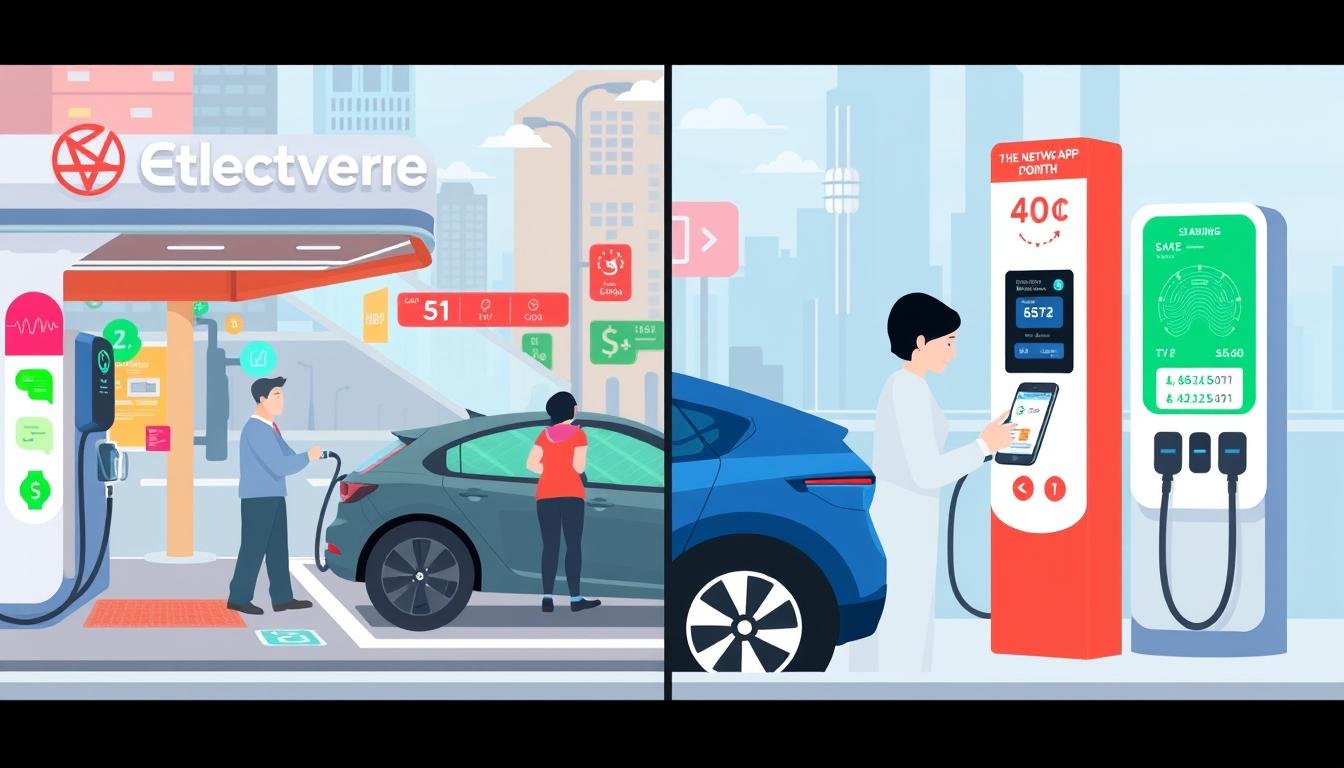
Many networks offer a mobile app to locate your nearest point. During a long trip, these services can be cumbersome and time-consuming.
I find a dedicated solution for accessing multiple networks is more reliable. It consistently ensures a successful charge and simplifies cost management.
| Payment Method | Ease of Use | Cost Efficiency | Network Coverage |
|---|---|---|---|
| Bank Card (Contactless) | Very High | Standard Rates | Limited to Compatible Stations |
| Dedicated Access Device | High (Tap & Go) | Often Includes Discounts | Extensive (Multiple Networks) |
| Mobile App | Variable (Requires Phone) | App-Specific Offers | Dependent on Network |
Despite the rise of contactless payment, an rfid solution remains a superior way to manage your monthly expenses. It offers broader coverage across different service providers.
What is an RFID Card for EV Charging?
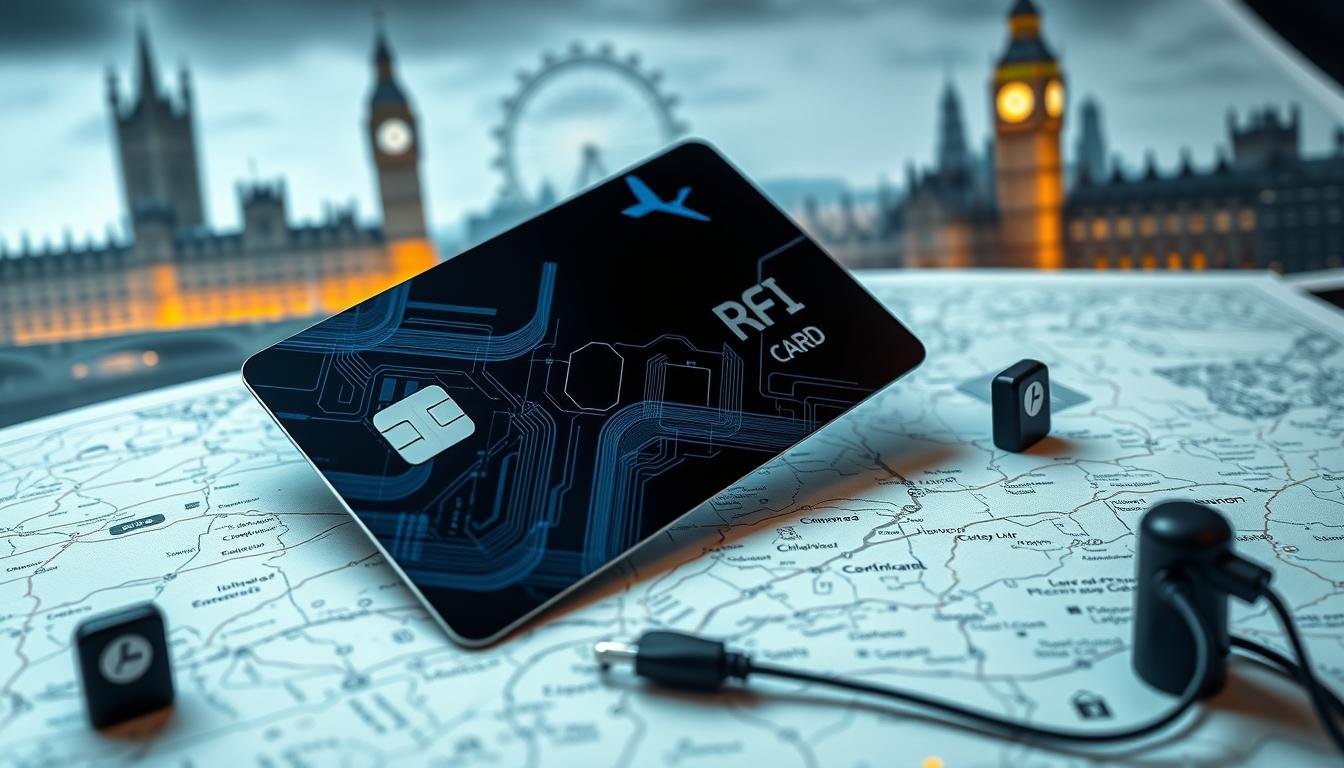
Imagine a small, physical key that unlocks energy for your vehicle at thousands of locations nationwide. This product is a secure, tap-to-pay chip embedded in plastic. It authenticates your identity and initiates charging sessions directly at the point.
You don't need a mobile app or a strong phone signal. It's a dedicated tool designed for one purpose: reliable access.
Key Benefits and Features
The core advantage is simplicity. I find the physical nature of this solution provides a dependable backup. If your phone fails or you're in an area with poor coverage, it still works.
Security is also paramount. The chip uses encrypted communication. This ensures your personal details and payment information are protected during every transaction.
How RFID Technology Simplifies Your Charging Experience
This technology consolidates your needs. Instead of managing multiple accounts for different providers, one login covers many networks.
That's a significant weight off your mind during a long journey. You get consistent entry to various stations. This streamlines your routine and helps you avoid premium rates.
Ultimately, it turns a fragmented process into a smooth, single action. You tap the device and start your session.
RFID card EV charging UK best: A Comparative Analysis
Selecting the right access method for your vehicle involves weighing two primary approaches. You must consider roaming services and network-specific options.
Each model offers distinct advantages for different driving patterns. Your choice will directly impact your monthly costs and convenience.
Roaming vs Network-Specific Services
Roaming products consolidate your usage across many operators into one monthly bill. This is ideal for motorists who travel widely and need reliability at various stations.
In contrast, a network-specific product ties you to a single provider's service. This can be highly cost-effective if that operator's points are conveniently located on your regular routes.
| Feature | Roaming Service | Network-Specific Product |
|---|---|---|
| Coverage | Extensive, across multiple networks | Focused, within one operator's estate |
| Cost Structure | Often includes roaming discounts | Typically lower per kWh rates for members |
| Billing | Single, consolidated bill | Direct billing from the network |
Subscription Models and Cost Effectiveness
Monthly subscription plans can significantly reduce your energy costs. For instance, OVO Charge provides a "Boost" add-on.
This can cut public charging expenses by 10-15% per month. It's a straightforward way to lower the price of your regular sessions.
Octopus Electroverse offers a similar benefit. Customers linking their Octopus Go accounts receive a 5-8% discount on sessions.
Choosing the right model depends entirely on your habits. If you frequently use a specific network, its dedicated plan may offer the best value.
For varied travel, a roaming subscription provides broader access and simplifies admin. Always verify the specific rates and the quality of customer support before committing. This ensures you get genuine value for money.
Evaluating Charging Networks and Card Compatibility
Compatibility with large operators like Shell Recharge and bp pulse is a critical factor in reducing travel anxiety. Your chosen product must work reliably at the stations you encounter most.
UK and European Coverage
For journeys beyond Britain, extensive European coverage is essential. Shell Recharge provides entry to over 25,000 public charging points across the continent.
This vast network supports long-distance travel without hassle. I always verify the geographic reach of any service before committing.
Compatibility with Major Operators like Shell Recharge and bp pulse
Ensuring your method works with key firms is non-negotiable. Shell Recharge is a major operator on many motorway routes.
Meanwhile, bp pulse offers a popular subscription plan. Their model costs £7.85 per month.
It provides a 20% discount compared to standard walk-up rates. This can lower your costs per session significantly.
| Network | Key Feature | Monthly Cost | Member Discount | Coverage Scope |
|---|---|---|---|---|
| Shell Recharge | Extensive motorway presence | Pay-as-you-go | Varies by tariff | Over 25,000 UK & European points |
| bp pulse | Subscription for frequent users | £7.85 | 20% off standard rates | Wide UK network |
When evaluating networks, check how each app handles payment. A clear, itemised bill for every session is vital for managing monthly expenses.
Real-World User Experiences and Money-Saving Tips
Practical advice from everyday motorists can transform how you manage your car's energy costs. I've gathered insights from drivers who have streamlined their routines.
Their experiences highlight simple ways to keep your expenses low and your journeys smooth.
Optimising Charging Costs and Accessing Discounts
To cut your costs, prioritise home powering whenever you can. A smart tariff, like Octopus Go, slashes your overall energy price.
Use public stations only for essential top-ups on longer routes. This strategy is a cornerstone of affordable electric car ownership.
For travel in Scotland, the ChargePlace Scotland access device is a smart buy. For a single £10 fee, it opens many council-run points.
Always check for loyalty points or cashback offers from your provider. These perks can reduce what you pay each month.
Managing Multiple Cards and Mobile App Integration
Juggling several physical cards is unnecessary. Most drivers find one roaming access tool covers their needs across different networks.
Use a single app to track your sessions and spending. This helps you avoid the highest walk-up rate and manage your budget.
The most efficient system combines a home smart tariff with one reliable access method. This approach simplifies your car charging and controls your costs effectively.
Conclusion
Ultimately, the goal is to spend less time managing your car's power and more time enjoying the road. Your choice of access method is a personal one, shaped by where you drive most often.
I find beginning with a free roaming app is a smart way to test the waters. You can then add a specific physical device only if your regular routes demand it. This strategy helps you avoid paying for a service you may not fully use.
Focus on one or two primary providers that offer strong coverage on your most frequent journeys. This simplifies your routine and provides consistent reliability at the stations you need.
By keeping your approach this straightforward, you secure a seamless and cost-effective charging experience for every trip. The right point of access unlocks a simpler, more connected driving life.