Did you know British motorists now have access to over 88,000 public charging points? This vast infrastructure marks a pivotal shift in how we power our vehicles.
Our comprehensive guide analyses performance data and real-world feedback from thousands of electric car drivers. We identify which providers lead the market this year.
Reliability remains the cornerstone of driver confidence. Finding a functional plug is essential for daily commutes and long trips alike.
We evaluate each major company's fleet of chargers. Our goal is to offer a clear, evidence-based overview of the current landscape to support your transition.
Key Takeaways
- The UK's public charging infrastructure has expanded significantly, with over 88,000 points available.
- This guide analyses performance data and user ratings to assess provider reliability.
- Driver confidence hinges on consistent access to functional charging hardware.
- Major companies are evaluated on uptime and customer satisfaction metrics.
- Understanding these nuances supports informed decisions for electric motoring.
- New technology is simplifying the process of locating and using charging stations.
- The transition to electric mobility depends on a robust and dependable national network.
Introduction to the UK’s EV Charging Revolution
A quiet revolution is reshaping how drivers of electric cars access energy across the country. This shift is powered by a rapidly expanding infrastructure of public charging points.
Recent figures show that nearly eight in ten electric car owners utilise this public infrastructure during their ownership. This highlights its critical role in supporting longer journeys and daily mobility.
The growth of public charging points across the UK
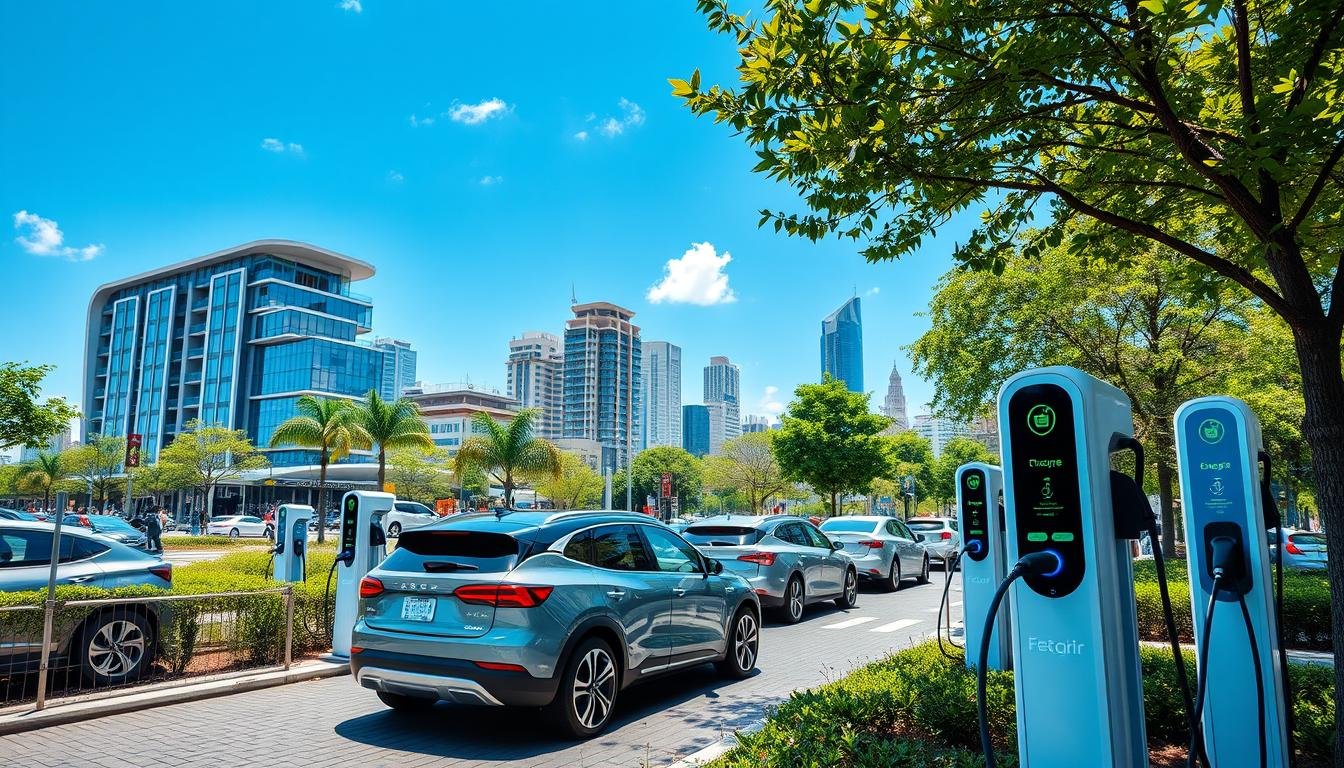
The scale of this expansion is significant. The nation now hosts over 88,000 public charging connectors. This growth provides essential support for the increasing number of electric vehicles on our roads.
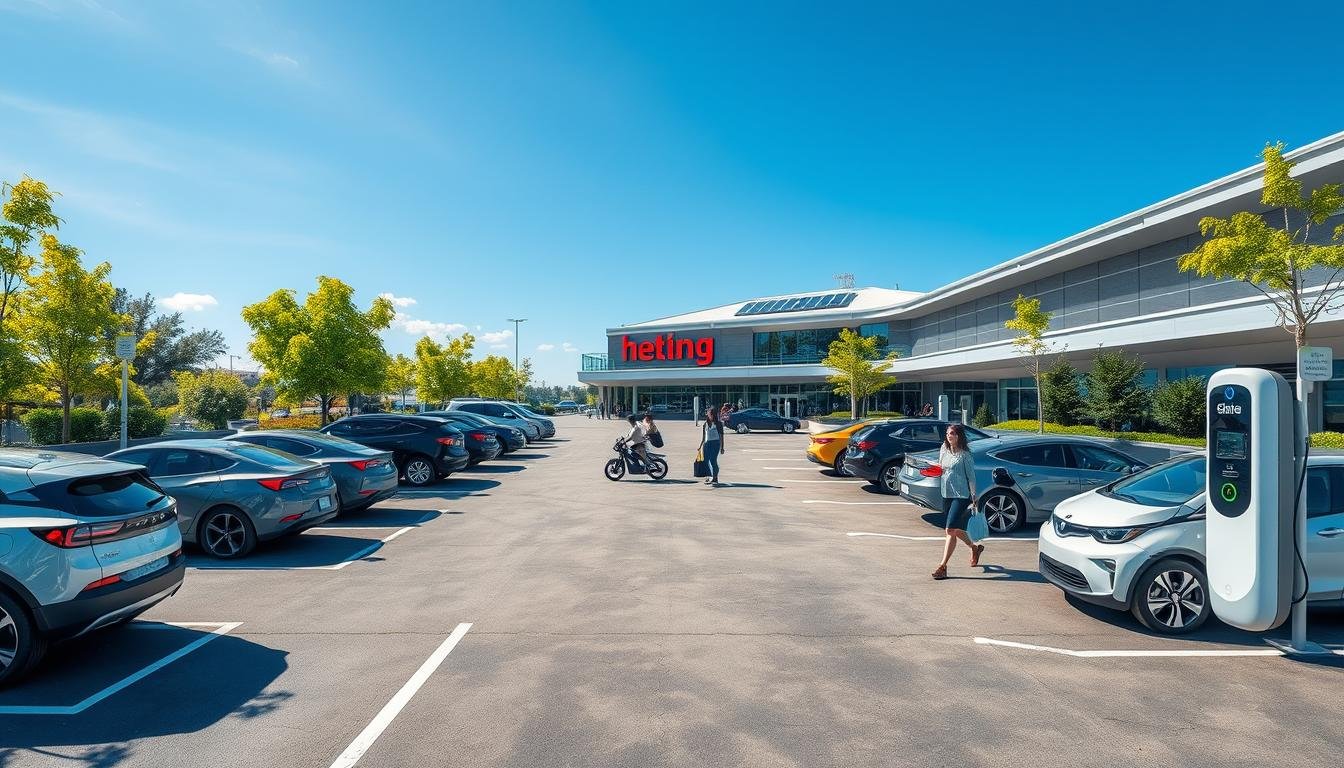
New stations are appearing in retail parks, service areas, and urban centres. This development is making it easier for drivers to top up their car's battery while going about their day.
The importance of user ratings and real-world experiences
Not every charging company delivers the same level of service. Consistent performance and uptime can vary greatly between different locations and operators.
This is where feedback from users becomes invaluable. Ratings and shared experiences offer a transparent look at how well these chargers perform in daily use. They help distinguish providers with excellent maintenance from those that struggle.
Analysing this collective feedback allows us to see which networks are truly meeting the needs of the modern motorist. It sets the stage for a detailed, evidence-based comparison of what's available.
Key Factors Impacting Charger Reliability
The dependability of a charging station hinges on a combination of technical and user-focused factors. These elements directly influence whether a driver can complete a successful top-up without hassle.
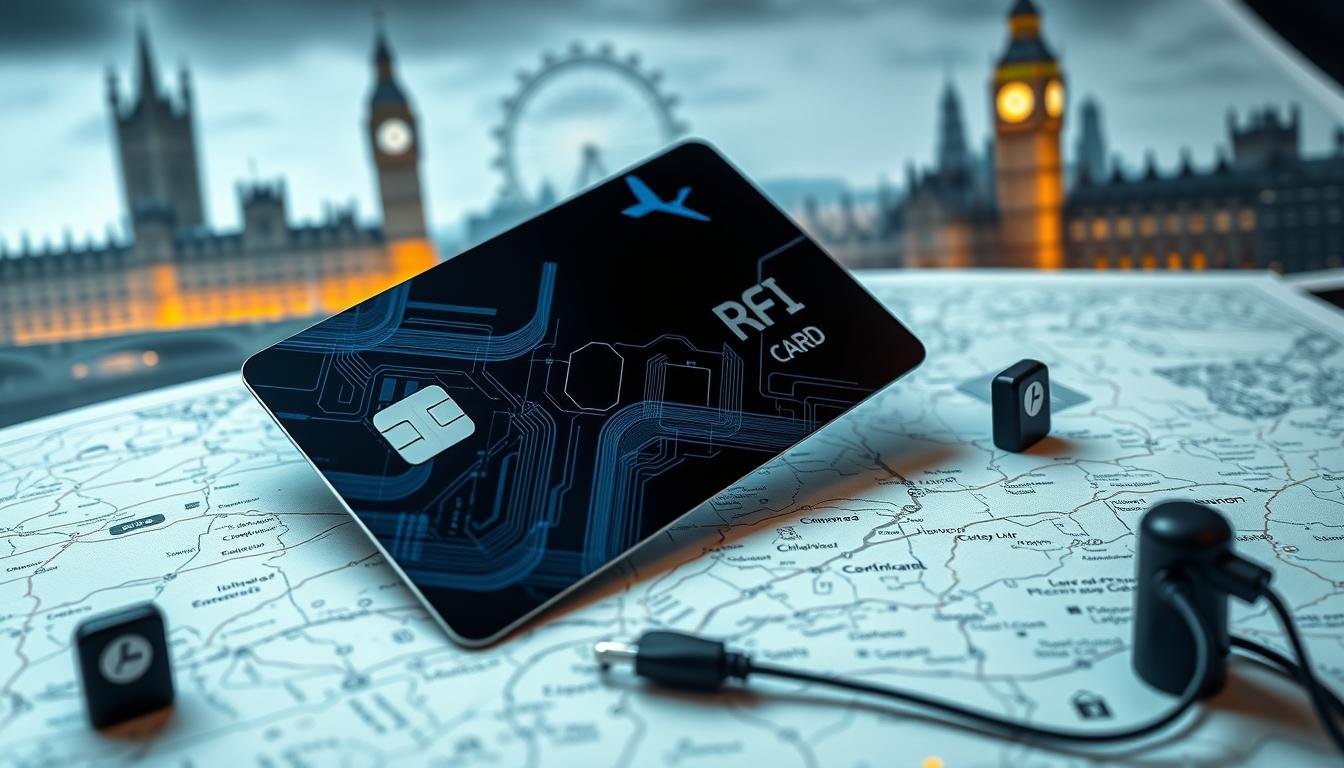
Payment methods: contactless, app-based and RFID integrations
How you pay for energy is a fundamental part of the experience. Contactless payment is now the expected standard, especially at motorway service stations. Many providers also offer app-based accounts or RFID card solutions for regular users.
The goal is simplicity. Overly complex systems can frustrate motorists who just want to plug in their vehicle and go.
Accessibility, locations and overall charger upkeep
Physical design and maintenance are crucial. Stations must be easy for all drivers to use, including those with specific mobility needs.
Regular upkeep by the operating company ensures devices remain in working order. A well-maintained unit in a secure, well-lit retail car park offers far greater peace of mind than a neglected roadside post.
Speed, cost and energy delivery performance
What you get for your money varies. The local grid's capacity can limit power, particularly at busy hubs. This means advertised top speeds aren't always available.
Pricing structures also differ. Costs can change based on the time of day. Smart charge technology is helping some networks manage this demand more effectively, aiming to deliver consistent value.
User Ratings and Real-World Experiences
Beyond technical specifications, the true measure of a charging network lies in user experience. Feedback from drivers offers the clearest picture of daily performance.
This insight shapes perceptions and guides future improvements across the industry.
Insights from recent surveys and driver feedback
The 2024 Driver Power survey identified Tesla as the top-rated provider for customer service and overall reliability. This annual study collects detailed opinions from thousands of car owners.
Recent feedback suggests overall satisfaction with public charging has improved this year. A simple contactless payment process is a key factor in high ratings.
Drivers consistently report that reliability is their primary concern, even over cost. This drives loyalty to companies that maintain their devices well.
Comparing ultra-rapid chargers versus slower AC units
User reviews highlight a clear distinction between these two types of hardware. Ultra-rapid units are highly valued for their speed, adding substantial range in just minutes.
They are the preferred choice for longer journeys where time is limited. Slower AC chargers, often found at retail or work locations, suit longer stops.
The best networks offer a mix of both. This ensures drivers have the right option for their specific needs, whether on a motorway or in a town centre.
Detailed Comparison of Leading Networks
Selecting where to plug in involves weighing speed, cost, and convenience against each other. Several major providers now dominate the landscape, each with a distinct approach.
Understanding their core differences helps drivers find the best fit for their needs.
BP Pulse, PodPoint, and InstaVolt: Pros and Cons
Three established names offer varied experiences. A quick comparison highlights their key focuses:
- BP Pulse: Delivers high power up to 150kW. Its costs vary from 44p to 89p per kWh. Some users find the required app for payment less convenient than tap-and-go methods.
- PodPoint: A staple at many Tesco retail locations. It provides reliable 75kW speeds, perfect for topping up while shopping.
- InstaVolt: Stands out for exceptional reliability, with a 99.8% uptime rating. Its off-peak pricing offers good value overnight.
InstaVolt's customer service consistently receives praise in driver surveys.
Performance, pricing and customer service evaluation
Other significant providers expand the range of options. GRIDSERVE operates over 1,500 bays, delivering immense power for any vehicle.
MFG EV Power is praised for ease of use, with simple contactless payment at its sites. Shell Recharge offers diversity, from rapid forecourts to thousands of on-street stations.
New entrant Duracell is investing heavily to grow its network. Tesla sets a high bar for performance and seamless service, now welcoming non-Tesla owners.
For regular drivers, subscription plans from these networks can offer better long-term value than standard rates.
Most Reliable EV Charging Network UK: A Detailed Examination
Excellence in this sector is defined by robust infrastructure and a focus on the driver's journey. A detailed look separates the leading providers from the rest.
Comparative reliability and technology features
Uptime statistics are a core metric. Top-tier operators publish figures above 99%, demonstrating a commitment to keeping their stations active.
Advanced smart charge technology helps manage power from the local grid. This prevents overloads and maintains consistent energy delivery during busy periods.
Features like plug-and-go functionality and real-time status updates are now standard for the best companies. These innovations significantly improve ease of use for all vehicle owners.
User satisfaction and service consistency
Driver contentment is closely tied to predictable performance. Motorists expect the same smooth experience at every location, whether urban or rural.
When problems occur, the quality of customer support is critical. The highest-rated providers resolve issues quickly, maintaining user trust.
Transparent pricing and clear communication are also essential. They ensure drivers feel they are getting good value for their money, fostering long-term loyalty.
Technology and Payment Innovations at Charging Stations
The front line of the electric motoring experience is now defined by technological sophistication at the point of charge. This section explores the key advancements making the process smoother for all vehicle owners.
Evolution of smart charge and contactless payments
Smart charge technology is crucial for managing local grid capacity. It ensures chargers remain available during peak times by intelligently distributing power.
Contactless card payment has become the universal standard. It slashes the time needed to start a session at public stations to mere seconds.
"The integration of contactless payment was a game-changer for user adoption. It removed a significant barrier to ease of use," notes an industry analyst from a recent survey.
Integrating charging tech with mobile apps and RFID solutions
Mobile applications and RFID cards offer drivers greater control. They allow for remote session management and detailed energy tracking.
This integration provides more options and convenience. For frequent users, it simplifies the entire charging routine.
The role of renewable energy and energy grid capacity
Sustainable power sources are vital for the future. For example, GRIDSERVE powers its entire network with 100% net zero carbon energy from its solar farms.
The local energy grid's capacity directly limits charger speeds. This is especially true at busy motorway service locations.
| Innovation | Primary Benefit | Example Provider |
|---|---|---|
| Smart Charge Management | Balances grid demand, maintains reliability | Major providers |
| Contactless Payment | Enables charge initiation in minutes | Widely adopted |
| App & RFID Integration | Offers customer control and value | Multiple networks |
| Renewable Energy Sourcing | Reduces carbon footprint of the infrastructure | GRIDSERVE |
These innovations are collectively enhancing the national charging network. They make the service more robust and accessible for every driver.
Future Trends and Infrastructure Developments in EV Charging
Strategic expansion plans from key providers signal a new phase of growth for the nation's refuelling infrastructure. This evolution focuses on enhancing speed, convenience, and overall service for vehicle owners.
The coming years will see a shift towards more integrated and user-centric facilities.
Emerging ultra-rapid charging technologies and networks
New hardware is being developed to add substantial range in mere minutes. This advancement is crucial for long-distance travel across the country.
These powerful chargers reduce stop time significantly. They represent the future of quick, efficient top-ups for any car.
Expansion of Electric Forecourts and retail hubs
Major providers like GRIDSERVE are leading this change. Their plan covers over 80% of the motorway network with Electric Forecourts and Super Hubs.
These locations combine high-speed charging with retail and relaxation amenities. They transform a routine stop into a more pleasant experience for drivers.
This growth directly improves accessibility and reliability for all users. It ensures the infrastructure keeps pace with rising demand.
Conclusion
Looking back over the past twelve months, the landscape for powering electric cars has become notably more robust and user-friendly. The public infrastructure has made significant strides in both dependability and accessibility this year.
Your ideal provider depends on your specific driving patterns. Operators like InstaVolt and GRIDSERVE consistently receive high marks for their performance and service consistency.
As expansion continues, motorists can anticipate even greater choice. Fast, convenient, and affordable options are spreading across the country.
We encourage every driver to explore the different companies available locally. Finding the best balance of cost, speed, and ease of use is key.
By keeping up with the latest developments and user feedback, you ensure your electric vehicle remains a practical and enjoyable choice for every journey.
FAQ
What payment options are available at public charging points?
Drivers can pay using various methods. Contactless payment with a bank card is widely supported at many stations. Many providers also offer their own smartphone apps for initiating a session and managing your account. Some operators still use dedicated RFID cards for access, though this is becoming less common. The best networks offer a choice to suit different user preferences.
How do drivers rate the dependability of different providers?
User satisfaction varies significantly between companies. Recent driver surveys highlight that consistency of service, ease of use, and accessibility are key factors in customer ratings. Top-rated providers typically score highly on reliability, meaning their devices are operational when you arrive and deliver the expected power. Real-world feedback often points to the importance of good upkeep and clear communication on charger status.
Where are the best locations to find rapid chargers?
For long journeys, motorway service stations are essential hubs, often featuring ultra-rapid units. Many retail parks, supermarkets, and dedicated Electric Forecourts® also host powerful stations. Planning your route using a provider's app can show you the locations of their fastest devices, helping to minimise stop time and improve your journey's value.
What is the difference between AC and DC charging?
AC (Alternating Current) units, often found at destinations like car parks, are slower and best for topping up over several hours. DC (Direct Current) chargers, including rapid and ultra-rapid types, deliver energy directly to your vehicle's battery much faster. This makes DC stations crucial for en-route charging, significantly reducing the minutes needed to add range.
Are there innovations making charging easier?
Yes, technology is constantly evolving. Smart charge features allow for scheduled charging when energy costs are lower. Contactless payment has simplified transactions, and seamless app integrations provide live data on charger availability and power output. The future also includes better integration with the grid and increased use of renewable energy sources at stations.
What are the upcoming developments in infrastructure?
The infrastructure is expanding rapidly. Key developments include the roll-out of more high-power ultra-rapid chargers on major routes and the growth of large charging hubs, sometimes called Electric Forecourts®. These retail-focused locations offer multiple devices, amenities, and can help manage demand on the local grid, supporting the growing number of EVs on British roads.