Over 1.3 million battery-electric cars now travel Britain's roads, a figure that has tripled in just three years. This surge creates a pressing question for every driver considering the switch: what will it cost to power up?
I have investigated the landscape following significant updates from the UK Government, effective from April 2026. My analysis reveals a clear shift in policy. The focus is no longer on universal, complimentary power.
Instead, the strategy centres on building a robust, subsidised infrastructure. Targeted financial support is now the cornerstone of making ownership practical and affordable.
As an electric vehicle owner myself, I have watched this evolution firsthand. The network is expanding rapidly to cater to different lifestyles and housing situations. This progress is vital for a smooth transition away from petrol and diesel.
The latest government funding unlocks essential grants for many households. These initiatives are designed to lower the upfront and ongoing costs of running a battery-electric car. Understanding this new framework is key for any potential buyer.
Key Takeaways
- Universal, complimentary public charging is not standard policy from April 2026.
- Government strategy has pivoted towards subsidising the wider charging infrastructure.
- Targeted grants and financial support are available to reduce ownership costs.
- The public network is expanding quickly to meet diverse driver needs.
- Specific funding can help households with home installation costs.
- The transition from traditional fuels is being actively supported by these measures.
Understanding the EV Charging Grant Scheme Updates
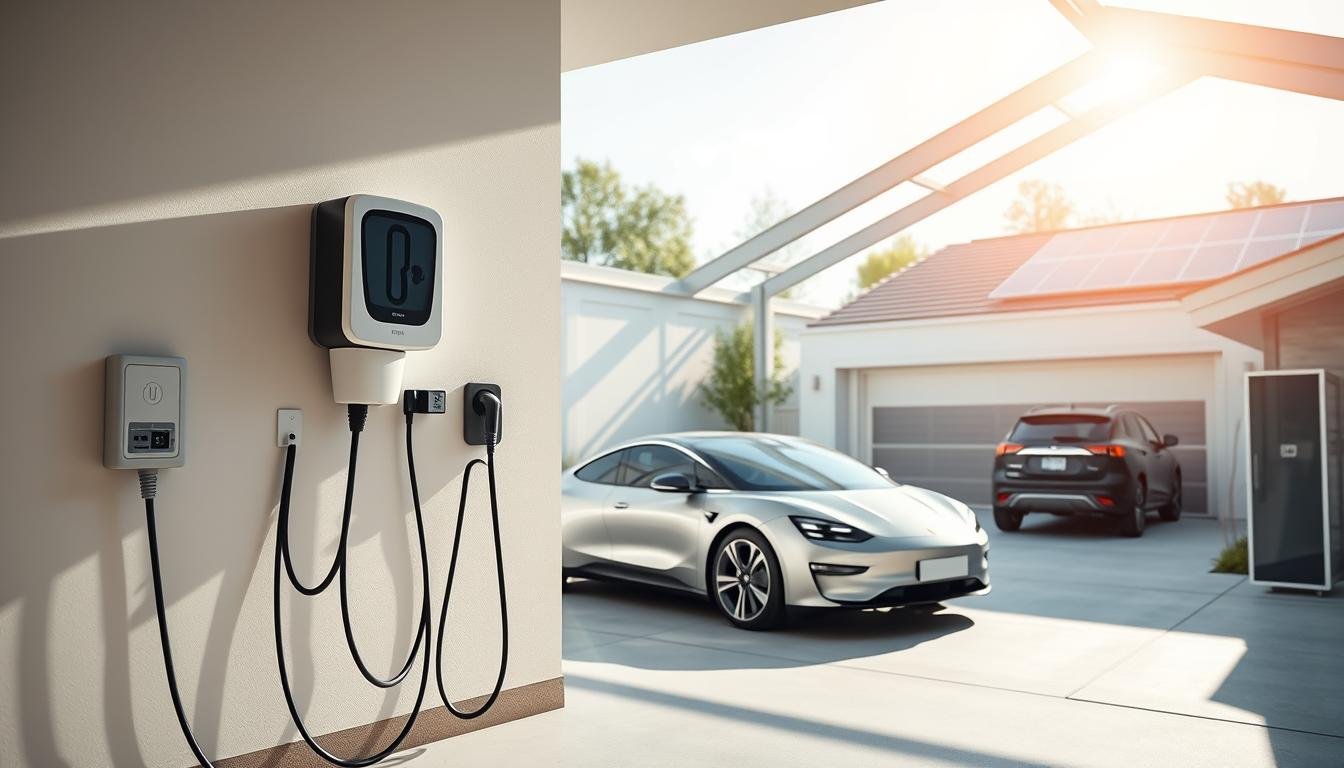
Drivers looking to install a chargepoint at home or work can now access increased grants. I have reviewed the latest policy shifts, which focus on direct financial help rather than universal provision. These updates are designed to make the transition to electric motoring more practical for everyone.
Key Changes in Grant Amounts and Schemes
The government has boosted funding by over 40%. From April 2026, the grant amount rises to £500 per socket. This offers significant help towards the cost of a new installation.
This enhanced scheme is now extended until 31 March 2027. It represents the final year of the current support structure. The goal is to reduce upfront expenses for both residential and commercial properties.
Eligibility Criteria for Home and Work Charging
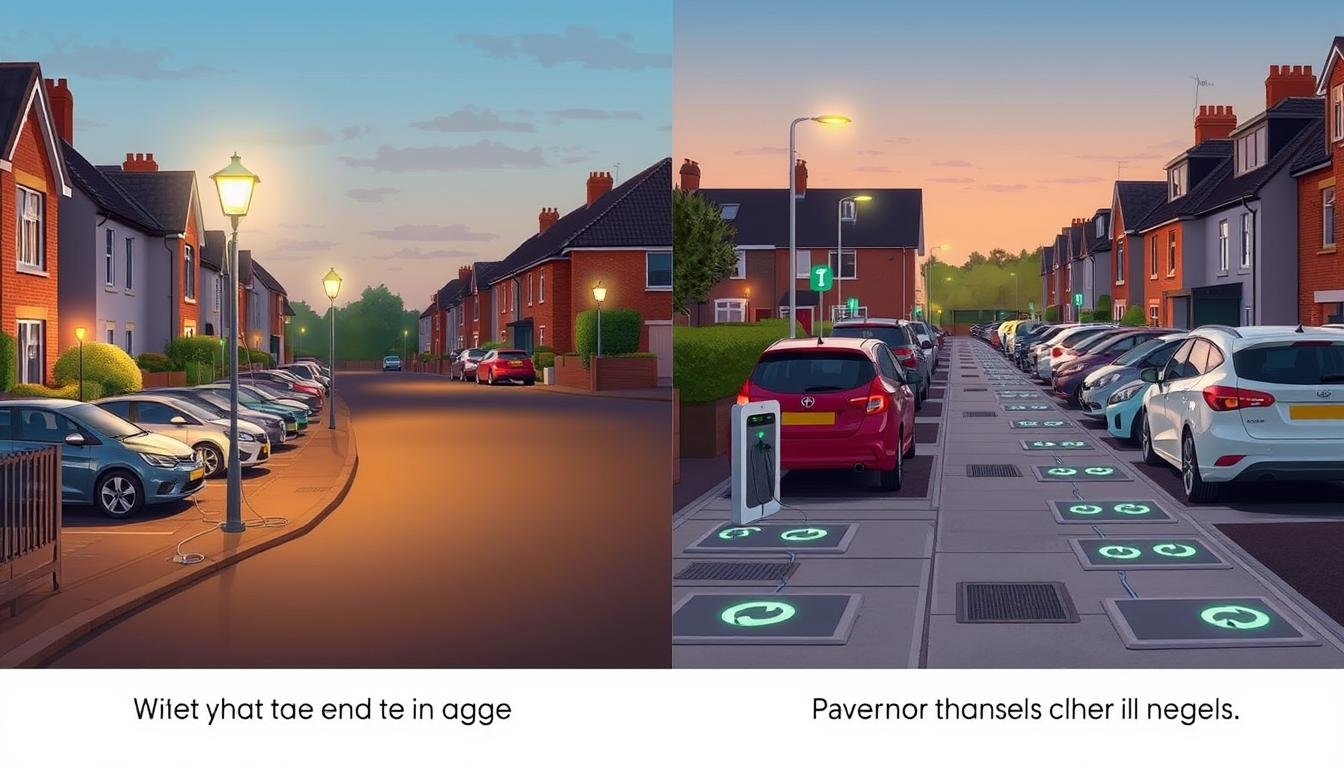
Eligibility for the home chargepoint grant has been broadened. It now includes renters, flat owners, and households relying on on-street parking. You do not need a private driveway to apply.
For the workplace charging scheme, businesses and other organisations must use an OZEV-approved installer. This ensures quality and allows them to claim the funding directly. The application process is straightforward for qualified applicants.
Latest Updates on free EV charging UK 2026
The landscape for electric mobility subsidies has undergone a definitive shift, with new deadlines and enhanced funding now in effect. I have analysed the latest announcements to provide a clear summary of what this means for you.
These adjustments provide much-needed certainty for planning your transition.
Government Announcements and Extended Deadlines
Authorities have confirmed the extension of five key support schemes. They will now run until 31 March 2027.
Conversely, three specific initiatives will conclude on 31 March 2026. This staggered approach allows for a managed transition.
The government has committed to giving at least four weeks' notice before implementing any future changes to the funding structure. This provides valuable time for adaptation.
| Scheme Status | Deadline | Primary Focus |
|---|---|---|
| Extended Schemes (5) | 31 March 2027 | Residential, business, and public infrastructure grants. |
| Closing Schemes (3) | 31 March 2026 | Older, targeted pilot programmes and specific regional funds. |
| This final year of support is designed to give drivers and organisations a clear window to act. |
Impact of Increased Grants to £500 per Socket
From April 2026, the core grant amount rises significantly to £500 per socket. This is a direct response to growing demand for reliable power infrastructure.
The increased £500 per socket support makes installing chargers more manageable. It lowers the upfront cost barrier for many users.
This enhanced charging scheme represents the last year of this level of direct financial help. My advice is to review your options before the March 2027 deadline.
Impact on Home and Workplace Charging
My analysis shows that the new grant structure prioritises two key environments: the private home and the commercial workplace. This targeted funding is designed to build a practical power infrastructure where it's needed most.
Home Charging: Grants, Installations and Application Process
The home chargepoint grant provides £500 per socket towards a professional installation. Your application requires using an approved installer to ensure safety standards for your vehicle.
This process is straightforward but time-sensitive. Three similar schemes are scheduled to close on 31 March 2026.
Workplace Charging: Benefits for Businesses and Organisations
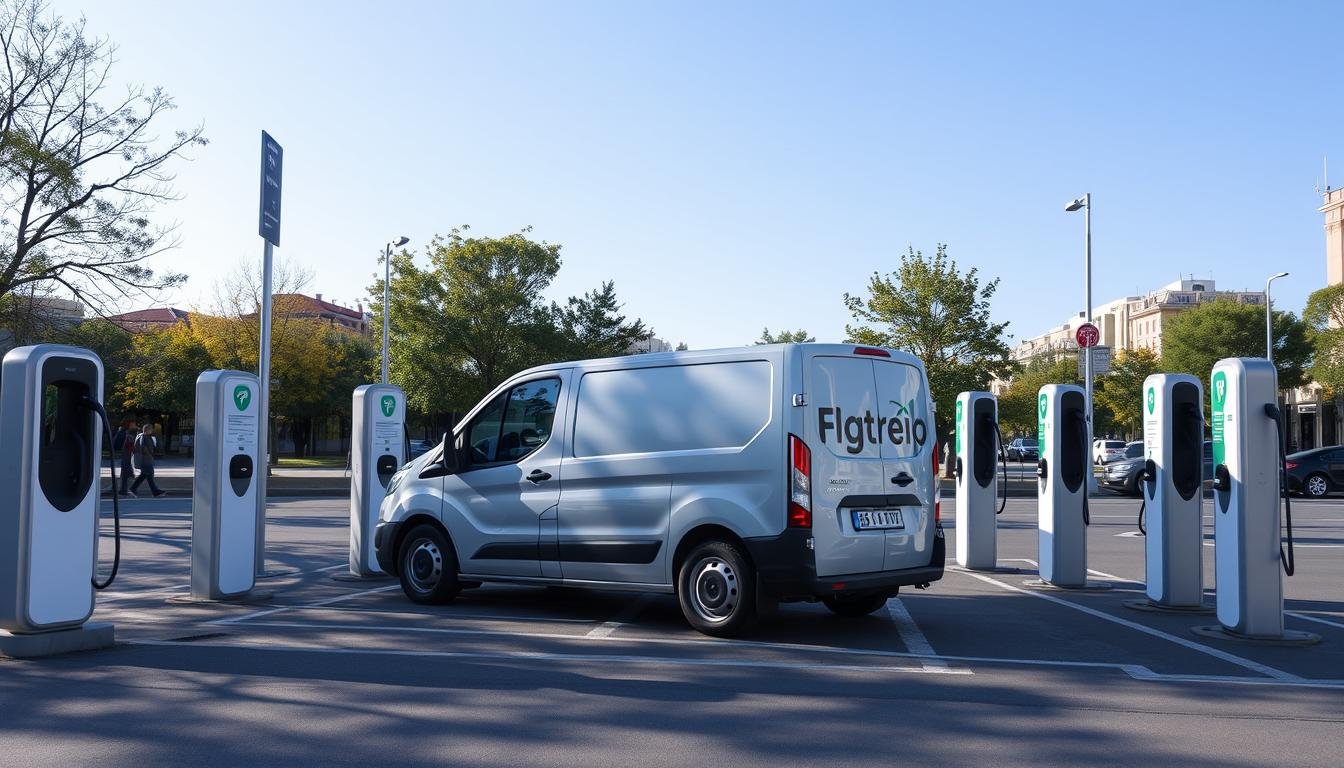
For companies, the workplace charging scheme offers substantial support. Businesses can claim up to £500 per socket for a maximum of 40 sockets.
This totals a potential £20,000 in funding. It's a significant incentive for organisations to support staff and visitors.
Special Considerations for Renters and On-Street Parking
If you rent or live in a flat, you can still access the grant. You must have your landlord's permission and a designated parking space.
For households with on-street parking, local authority approval is needed for any cross-pavement work. Securing this permission is a crucial step in the process.
How the Charging Infrastructure is Evolving
Britain's ability to power its growing fleet of battery-electric vehicles is strengthening rapidly. This evolution is critical for supporting drivers and encouraging further adoption.
The network is expanding to meet diverse needs. I see this progress as fundamental for a smooth transition.
Expansion of Public Charging Stations Across the UK
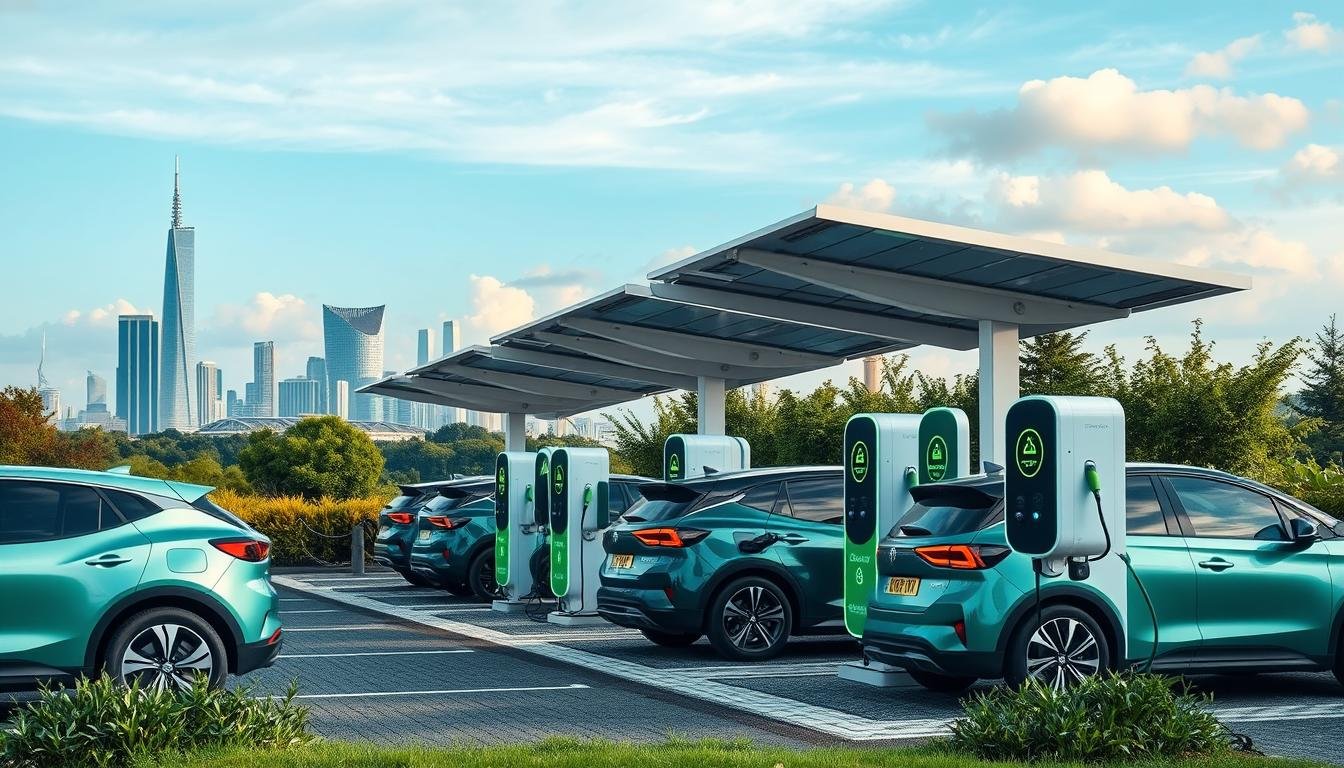
According to ZapMap, 14,097 new power stations were installed in 2025. This brings the total to 116,000 sockets across 87,000 public devices.
Vicky Read, chief executive of Charge UK, described this growth.
The 19 per cent growth in charging infrastructure is a hugely positive development for the industry.
Innovative Charging Solutions and Future Trends
The number of ultra-rapid chargers with an output over 150kW has skyrocketed. It grew by over 40 per cent in the last year to nearly 10,000 devices.
As electric car registrations rise by 24 per cent, the focus remains on strategic placement. The goal is the right kind of power access in the right places.
I believe this continued expansion is essential. It supports the increasing number of drivers on British roads.
Conclusion
The path to affordable electric motoring is now clearly marked by targeted financial support, not universal free access. From April 2026, the increased grant of £500 per socket significantly lowers the cost for home charger installations.
Key schemes have been extended to March 2027, providing a clear window for action. This funding ensures the necessary infrastructure keeps pace with the growing number of electric cars on our roads.
These changes make the transition to a battery-electric vehicle more practical. I encourage you to review your eligibility for this scheme before the March 2026 deadlines for some programmes.