Recent industry analysis suggests that vehicles left plugged in after a full charge can block up to one in three rapid charging points during peak hours. This growing problem has led to the introduction of a specific penalty across many networks.
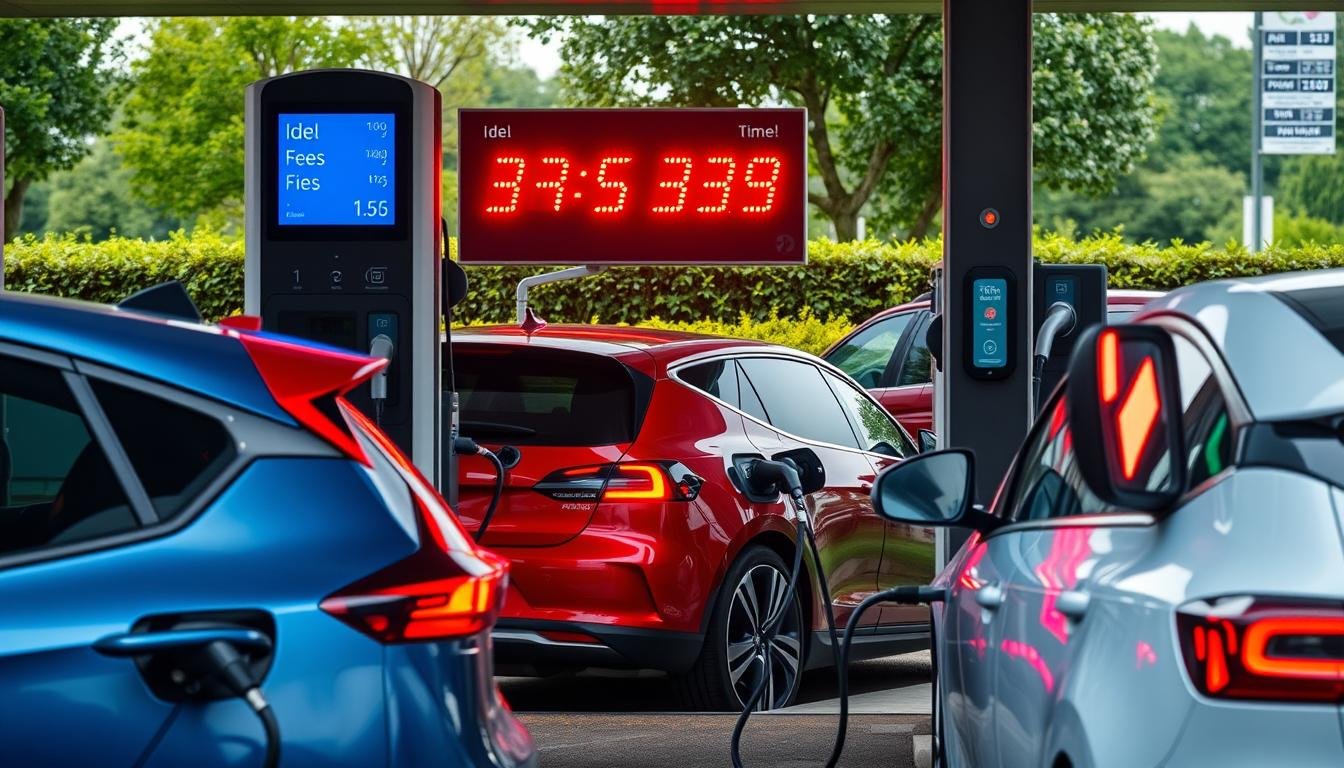
Known as an overstay or idle fee, this charge applies when a motorist remains connected to a station after their battery is full. The primary goal is to free up access for other drivers.
In the UK, these rules spark debate. Some see them as a necessary measure against congestion. Others find them frustrating. The system helps networks recover potential revenue lost from blocked bays in prime locations.
This guide examines how these penalties work. We will look at how different operators apply their rules. You will also learn how to navigate this landscape to improve your overall experience.
Providers like Paua offer detailed breakdowns for fleet managers. This data helps businesses predict and control these costs effectively.
Key Takeaways
- Overstay fees are penalty charges for remaining connected to a charger after your vehicle is full.
- These penalties aim to improve availability and deter drivers from blocking bays.
- Charges vary significantly between different charging networks and locations.
- Fleet managers can use detailed data to predict and manage these costs effectively.
- Understanding the rules can help you avoid unexpected costs and support better charger access for all.
- Some networks offer grace periods before penalties begin to apply.
Overview of EV Charging and Idle Fees
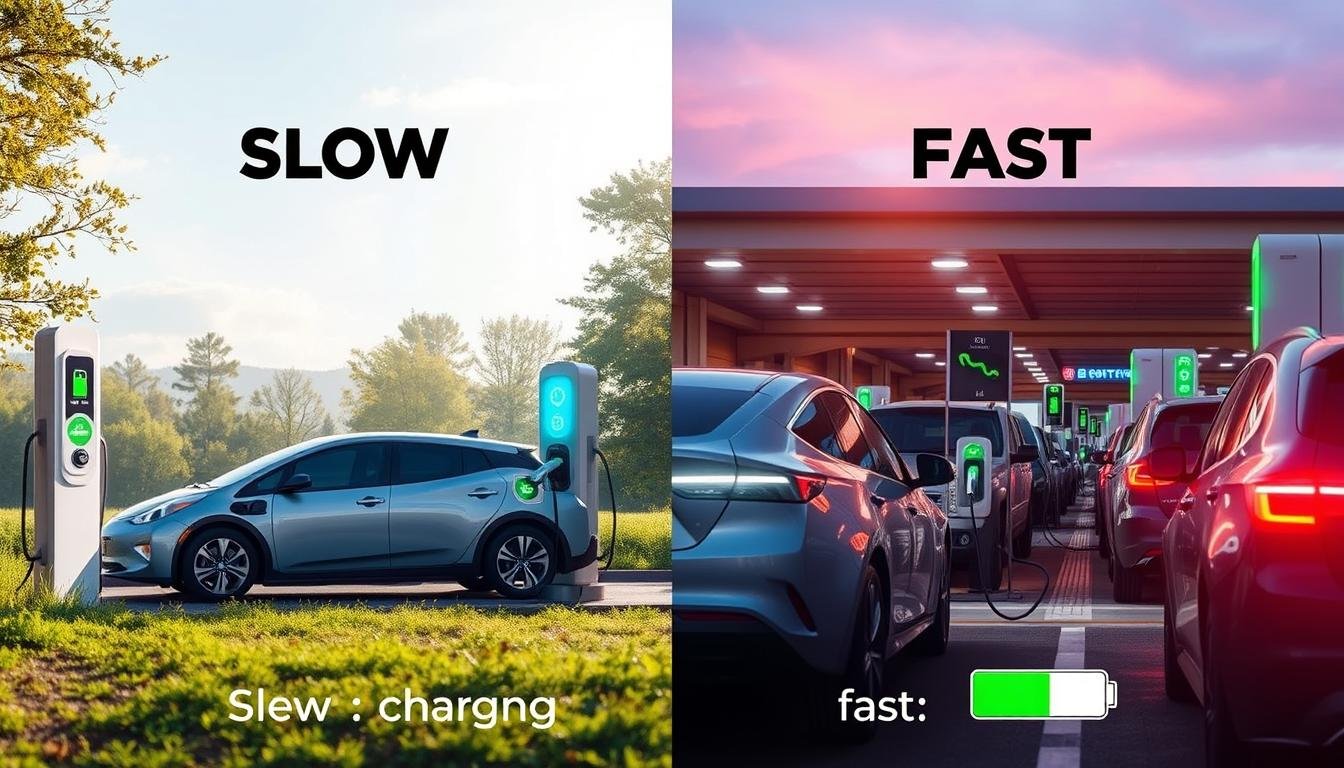
One key fact shapes modern charging etiquette: power delivery slows significantly once a battery reaches 80% capacity. This means the final portion of a charge takes much longer. For efficiency, it's often better to continue your journey and top up later.
Understanding the Charging Process
Knowing this technical detail is crucial for managing your time at a public station. A considerate approach ensures the point is free for the next user. As GRIDSERVE states:
"We ask that customers are considerate of other drivers waiting to charge their vehicle at busy locations."
This simple rule is the foundation of smooth public charging. When a motorist remains plugged in after their car is full, they block access.
This can lead to frustration and unnecessary costs for others. Effectively managing your charging session helps everyone. It avoids the common problem of a occupied charger with a finished vehicle.
Understanding these basic rules helps you avoid an overstay fee. It also supports better access for all drivers at the station.
EV idle fees UK overstay charges: The Rationale Behind the Penalty
From April 2023, new regulations empowered authorities to enforce charging bay availability. This move aims to tackle the growing issue of occupied points being blocked by finished vehicles.
The core idea is simple: penalties encourage drivers to move their car promptly. This frees up the station for others who need power.
How Fee Structures Work (Fixed vs Per Minute)
Two main penalty models exist. Local councils typically issue a fixed parking fine.
For example, Aberdeen charges £30 for overstaying. In Sheffield, the cost is only £20. This shows a lack of national consistency.
Charging networks use a different method. BP Pulse applies a £10 per hour overstay fee after a 90-minute session.
Tesla's policy is even stricter. They charge 50p per minute. This can rise to £1 per minute if all bays are full.
The Need to Optimise Charging Infrastructure
These structures are not just about revenue. They are designed to optimise a limited resource.
Every minute a bay is blocked, another motorist may be delayed. Efficient turnover is crucial, especially at busy motorway stations.
By applying these costs, networks and councils ensure points are used as intended. This supports better access for all drivers throughout the day.
How Overstay Charges Impact EV Drivers and Fleet Managers
For many users of public charging infrastructure, an unexpected penalty can turn a routine top-up into a costly experience. The effects of these rules differ significantly between an individual motorist and a business managing a fleet of vehicles.
Understanding this impact is key to controlling expenses and using the network efficiently.
Effects on Personal EV Users
For the individual driver, a surprise bill is the main concern. It often arises from unclear signage or not knowing the specific rules at a location.
Busy urban areas and motorway service stations are typical hotspots for these penalties. Clear communication from charge point operators before a session begins is therefore essential.
Considerations for Fleet Managers
For businesses, these costs are magnified across multiple cars and drivers. What seems a small fee for one person becomes a significant operational expense.
Tools like those from Paua provide managers with a detailed breakdown for each charging session. This separates the cost of energy from any penalties incurred.
Transparency and Monitoring Tools
Advanced dashboards alert managers to significant penalties, ensuring full cost transparency. This data is vital for educating drivers on better charging etiquette to reduce unnecessary costs.
The right tools highlight the different priorities for each group, as shown below.
| Impact Area | Personal User | Fleet Manager |
|---|---|---|
| Primary Concern | Avoiding a single unexpected bill | Controlling aggregate costs across all vehicles |
| Cost Visibility | Seen only on personal billing statement | Detailed breakdown per driver and session |
| Management Action | Moving the car promptly after charging | Training drivers and analysing charge point data |
Best Practices for Avoiding Overstay Fees
Proactive habits are your best defence against unexpected costs at public charging stations. By planning your stop and understanding local rules, you can completely avoid penalty charges.
This approach benefits you and supports smoother access for other motorists. The following tips provide a clear path to better charging experiences.
Efficient Charging Session Tips
Plan your charging around the 80% rule. Power delivery slows significantly after this point, making it an ideal time to continue your journey.
Always check the specific signage at your chosen location before you plug in. This simple step clarifies the grace period and any potential costs.
Set a timer on your phone for a few minutes before your session is estimated to finish. This reminder ensures you can return to your car promptly.
Adopting Improved Charging Etiquette
For businesses, managing these habits across a fleet is crucial. Resources like Paua's "Fleet Manager Guide" offer insider tips for a smooth transition.
It covers effective charging habit management. Specialists, known as Paua Rangers, can also assist in educating drivers.
Moving your vehicle swiftly after charging is a key part of this improved etiquette. It keeps points available and contributes to a more efficient network for everyone.
Navigating Additional Charges and Parking Fines
The most common source of unexpected costs isn't the electricity, but a failure to comply with local parking restrictions. These are separate from any network overstay fees and are enforced by the landowner.
You could face a substantial penalty simply for staying too long, even if your car is plugged in. Understanding this distinction is crucial for a stress-free stop.
Understanding Local Signage and Regulations
Every location sets its own rules. What applies at a motorway service area is different from an airport or visitor centre car park.
Always check the specific signage before you leave your vehicle. This is the only way to know the time limits and any costs.
- GRIDSERVE Gatwick Electric Forecourt has a strict one-hour free parking limit due to space constraints.
- At Birmingham Airport, GRIDSERVE customers get a reduced tariff: £2 for 90 minutes, then £5 per 15 minutes.
- The Land’s End Visitor Centre uses ANPR cameras. You must register your vehicle to avoid a fine.
- Most motorway service stations impose a maximum stay of two hours before standard parking fees begin.
Ignoring these signs can result in a £60 to £100 fine arriving by post weeks later. Taking a moment to read them saves significant hassle and cost.
Conclusion
Navigating the public charging network successfully hinges on understanding two distinct sets of rules. The first relates to network overstay fees, while the second concerns local parking restrictions. As Niall Riddell of Paua highlights, clear signage is essential to prevent unexpected costs.
Whether you charge a personal car or manage a fleet, staying informed is your best defence against penalties. Always move your vehicle promptly once your charging session finishes. This simple act frees the point for the next user.
By following these guidelines, every driver contributes to a more efficient and fair charging experience for all.
FAQ
What exactly are idle or overstay fees for electric cars?
These are penalties applied by many charging point operators when a driver leaves their vehicle plugged in after its battery is full. The charge encourages good etiquette and frees up the bay for other motorists. You typically get a grace period, but costs apply per minute thereafter.
How are these overstay penalties usually calculated?
Two main structures exist. A fixed fee might be added to your session cost. More commonly, a per-minute rate is charged for every minute you remain connected past the grace period. Always check the specific operator's terms on their app or at the station before you plug in.
Why do networks impose these charges on drivers?
The primary reason is to optimise use of limited infrastructure. With high demand for public points, a car blocking a fully functional charger is inefficient. These fees incentivise drivers to move their vehicle promptly, improving availability for everyone and supporting better station management.
What's the best way to avoid incurring these extra costs?
Use your manufacturer's app to monitor your battery status remotely and receive alerts when charging is nearly complete. Plan to return to your motor before the session ends. Setting reminders on your phone is a simple and effective strategy to prevent overstaying.
Can I also get a parking fine at a charging bay?
Yes, this is a separate but important issue. Local council rules often govern the car park itself. You might face a parking fine if you exceed the maximum stay time displayed on signage, even if you are not plugged in. Always read all posted notices for both the charger and the parking area.
Are these fees the same at every location in Britain?
No, they vary significantly. Different operators like BP Pulse, Pod Point, and InstaVolt set their own rates and rules. Fees, grace periods, and even the times of day they apply can differ between service stations, retail parks, and on-street points. Always confirm the specific terms for your chosen charger.