Did you know that consistently using the fastest public chargers could add hundreds of pounds to your annual motoring costs? For many electric vehicle owners, this 'speed tax' is a hidden expense. I have compiled this guide to help you steer clear of this common pitfall.
Modern electric vehicles are engineering marvels. Models like the Volvo EX60 and BMW iX3 can accept incredibly high power inputs. This capability slashes waiting times dramatically. Yet, constantly using this performance comes at a price.
Understanding how to manage your vehicle's battery is crucial. It is the key to long-term health and lower overall costs. The right strategy keeps your car efficient and your wallet happy.
My aim is simple. I will walk you through effective methods to secure more affordable power for your electric vehicle. You can enjoy the convenience of public networks without the hefty premium.
Key Takeaways
- Consistently using the fastest public chargers can significantly increase your annual driving expenses.
- Modern EVs like the Volvo EX60 are designed for high-speed power intake, reducing wait times.
- Proper battery management is essential for maintaining performance and reducing long-term costs.
- Selecting the correct charging strategy helps maximise efficiency and minimise expense.
- This guide provides practical methods for accessing cheaper energy for your electric car.
- You can utilise public networks effectively without incurring the highest rates.
Understanding Rapid and Fast Charging Options
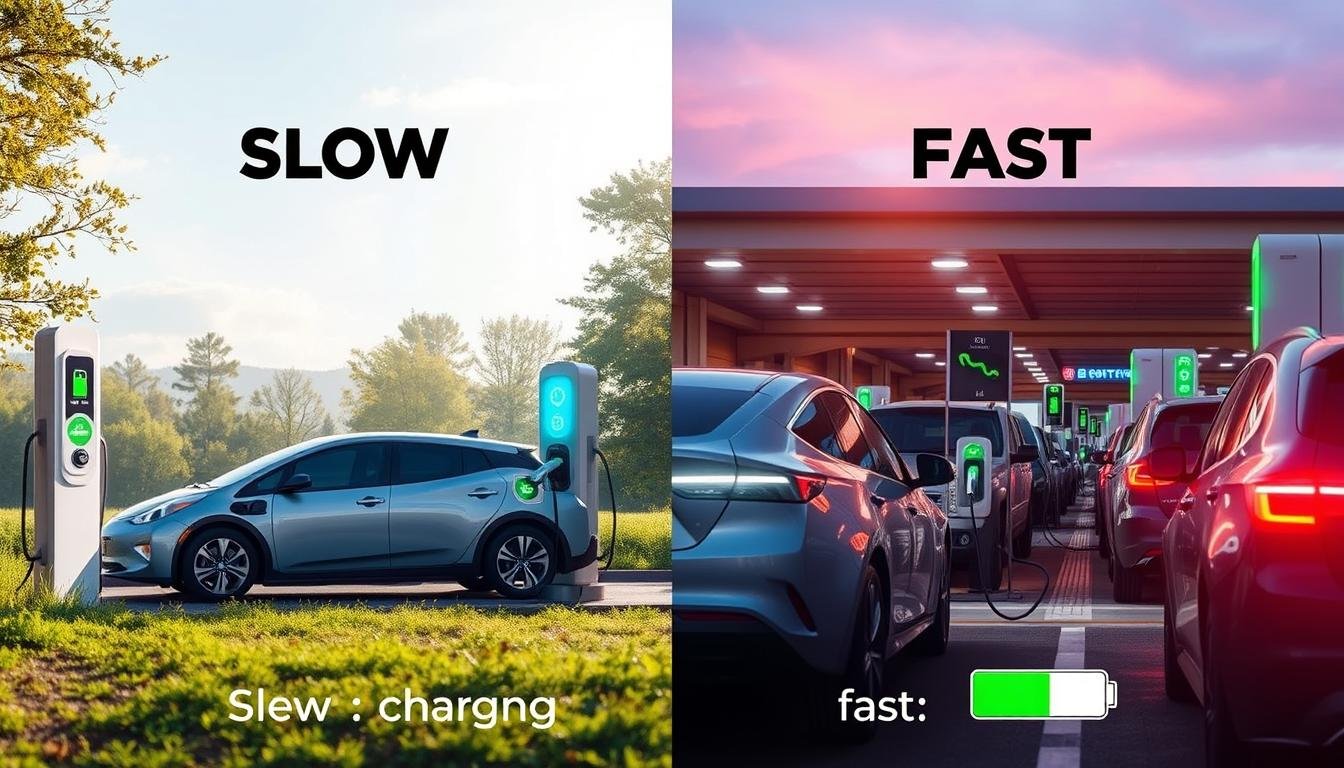
The landscape of public EV charging is broadly divided into rapid and fast options, each with distinct characteristics. Knowing which to use can save you time and money.
Differences between AC and DC charging
Fast power typically uses alternating current (AC). This is common for home wallboxes, delivering between 7 kW and 22 kW. Your car's onboard charger changes AC to DC for storage.
Rapid chargers use direct current (DC). They bypass the onboard charger, sending energy straight to the battery. This allows for much higher power levels.
| Power Type | Typical Power | Primary Use Case | Vehicle Example |
|---|---|---|---|
| AC (Fast) | 7 kW to 22 kW | Home, workplace, destination | Most EVs |
| DC (Rapid) | 50 kW to 350 kW+ | Public en-route stations | Volvo EX60, BMW iX3 |
Models like the Volvo EX60 operate at 800 volts. This architecture can accept over 300 kW, making a high-power session very quick.
How battery management systems protect battery life
Modern battery management systems are crucial for longevity. They carefully control the flow of electricity during high-speed sessions.
A sophisticated BMS monitors cell voltage and temperature, ensuring the battery stays within safe limits.
I have observed that lithium batteries can be damaged without proper control. The system protects your battery life by managing heat and charge acceptance.
The Economic Impact of Charging Methods in the UK
The financial difference between plugging in at home and using public stations is often the single biggest factor in an EV owner's annual budget. Let's break down the numbers and the strategies that lead to real savings.
Cost comparisons: Home versus public charging
Home charging is consistently the most economical way to power your electric vehicle. I have found that with an EV-specific off-peak tariff, your running cost can drop to around 2p per mile.
A full charge for a typical electric car costs between £4 and £15 at home. This depends on your energy tariff and the size of your vehicle's battery. Public network costs are typically much higher per kilowatt-hour.
Savings potential through strategic charging habits
Understanding your battery's state of charge is the first step to smarter habits. It helps you plan when to plug in to maximise cheaper electricity.
- Monitor your battery's level to schedule your home charging during off-peak hours.
- Shift your routine to ensure your car is ready each morning, reducing reliance on public chargers.
- This simple planning can drastically cut your monthly energy bill for your EV.
The cumulative effect is significant. Choosing home power over costly public options can save drivers hundreds of pounds every year.
Avoid Rapid Charging Premium UK
Your daily routine holds the key to significantly lowering your electric car's running costs. With over 86,000 public charge points now available, choice is abundant. Yet, not every option is equally kind to your budget.
Smart habits can help you sidestep the highest fees. The goal is to get the energy your vehicle needs without the extra cost.
Making the Most of Home Charging
Plugging in at your house is often the best financial move. A slower, domestic unit is gentler on your battery's long-term health.
This method also uses cheaper electricity, especially overnight. I plan my charging to finish just before I need the car. This simple step keeps costs down and the battery ready.
Smart Use of Public Networks
When you need public infrastructure, be selective. Network apps are vital tools for finding a cost-effective point.
Not all units have the same price tag. Some networks offer better rates than others. A little research before you travel can lead to big savings.
By topping up at home first, you reduce reliance on expensive public power. This strategy keeps more money in your pocket.
Maximising Home Charging Efficiency
For long-term savings and battery health, optimising your domestic setup is the single most impactful step you can take. True control over your vehicle's energy costs starts where you park it overnight.
Selecting the Right EV Energy Tariff
Your choice of electricity plan is crucial. I always recommend switching to an EV-specific tariff. These plans offer significantly lower rates during off-peak hours, typically overnight.
This allows you to schedule your home charging for when power is cheapest. Aligning your car's refuelling with these times slashes your pence-per-mile cost dramatically.
Smart Charger Features and Installation Guidelines
Investing in a smart charger unlocks this potential. A standard 7kW unit, with installation costing between £800 and £1,500, is the most effective domestic solution.
These devices offer intelligent features that protect your battery life and your budget:
- Schedule sessions to use cheap, off-peak electricity automatically.
- Monitor your vehicle's energy consumption via a mobile app.
- Use smart management features to maintain optimal battery health.
For businesses, the OZEV Workplace Charging Scheme can offset costs, providing up to £350 per socket installed. This smart infrastructure puts you firmly in control of your home charging efficiency.
Navigating the Public Charging Network
With thousands of charge points across the country, knowing how to pick the right one is a skill that pays. Savvy drivers use a combination of timing and technology to secure better value.
Even when away from home, you can find a unit that offers better value. The key is to understand the options available.
Finding cheaper CPO options and off-peak benefits
Not all charge point operators have the same pricing. I always check for off-peak periods, which can offer significantly lower rates. Some networks provide these discounts during evenings or weekends.
Shifting your refuelling to these times can cut costs dramatically. Comparing different CPO structures is essential. A unit from one provider might cost less per kilowatt-hour than another nearby.
Using mobile apps to reduce public refuelling expenses
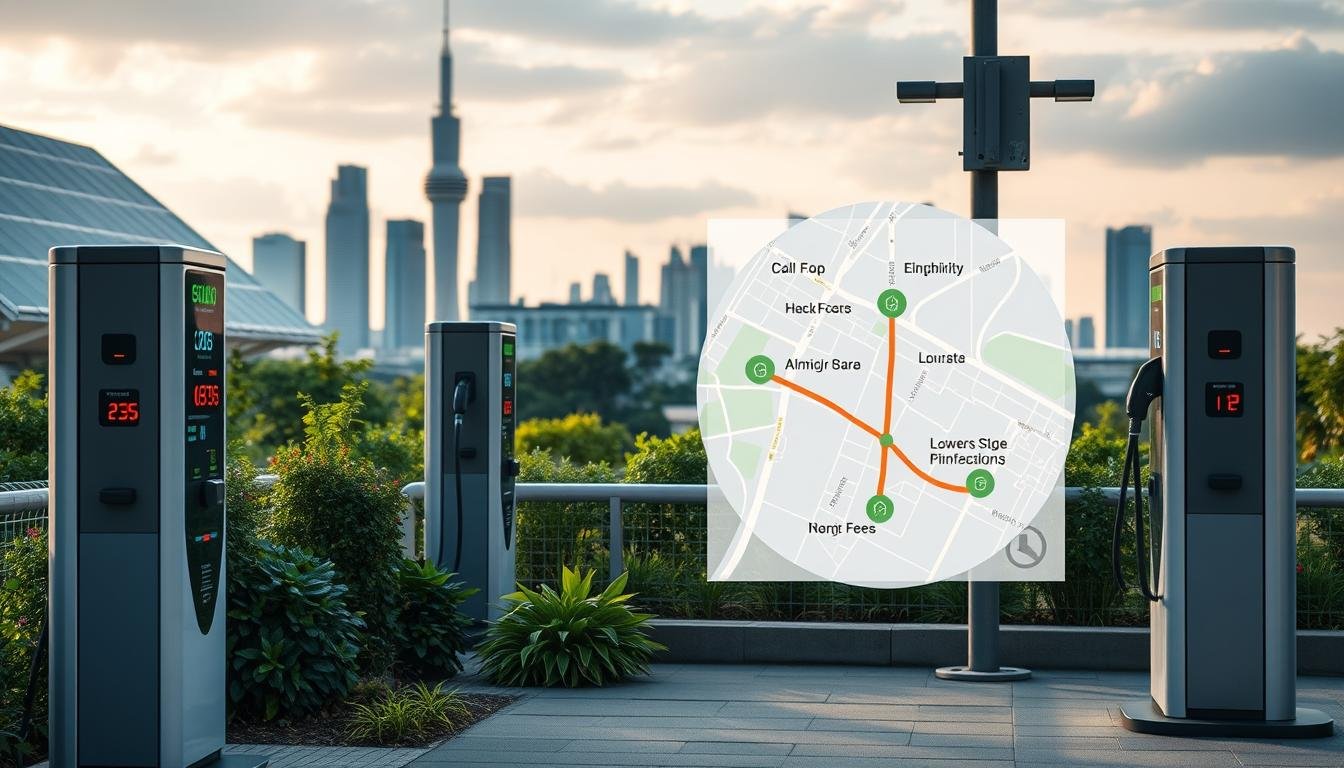
My go-to tool is Zapmap. Its price filter lets me locate a cheaper rapid charger easily. I can see live rates and plan my stops accordingly.
Many apps now allow filtering by cost. This ensures I do not pay more than necessary for the power my car needs. It also helps in maintaining my vehicle's battery life by choosing reliable, cost-effective chargers.
Subscription Services for Public Charging Savings
Monthly subscription plans from charge point operators are transforming how drivers access public networks. For regular users, these services can turn expensive rapid charging into a more predictable monthly cost.
I always evaluate my driving habits before choosing a plan. This ensures the fee makes financial sense for my specific needs.
Evaluating subscription benefits and special offers
Many networks provide special deals for members. The Ionity Passport Power plan, for example, costs just over £10 monthly.
It offers a substantial 42% discount on rates. This makes using a premium rapid charger far more economical on long trips.
Such subscriptions also support your car's battery life. They give you affordable access to well-maintained, high-quality chargers.
Calculating monthly savings and energy needs
The key is to match the plan to your actual consumption. I calculate my typical monthly energy use for my vehicle.
You must ensure the subscription fee is lower than your projected pay-as-you-go spend. This simple maths protects your budget.
For frequent travellers, the saving is often clear. It provides peace of mind and consistent power costs.
| Cost Factor | Subscription Model | Pay-As-You-Go |
|---|---|---|
| Monthly Fixed Cost | ~£10 - £15 | £0 |
| Example Per-kWh Rate | 35p (with discount) | 60p (standard rapid) |
| Best For | Frequent long-distance drivers | Occasional public charging |
| Annual Potential Saving* | £200+ | N/A |
*Based on 2,000 miles of public rapid & fast charging annually.
Innovative Charging Technologies and Their Benefits
Innovations in charging technology are reshaping how we power our vehicles, offering faster refuelling but requiring smarter habits. The latest hardware delivers incredible convenience, yet its long-term effects on your car's battery are a key consideration.
Overview of ultra-rapid and fast chargers
Today's public networks feature a range of units. Fast chargers typically deliver up to 22 kW, perfect for a longer stop. Ultra-rapid units can supply over 150 kW, dramatically cutting waiting times.
This high power is fantastic for long journeys. However, I consider my vehicle's specific needs before selecting a unit. Not every trip requires the maximum speed.
Understanding battery degradation and temperature impacts
Research by Geotab indicates a link between frequent use of the fastest chargers and slightly accelerated battery degradation. Their study found capacity could reduce by around 2.5% annually with heavy use.
Heat is a major factor in this process. High temperatures during a powerful charging session can stress the battery cells. I always monitor my battery's condition, especially in summer.
Cold weather also presents a challenge. It can reduce the efficiency of power delivery from both fast and ultra-rapid chargers. Pre-conditioning your car while plugged in helps mitigate this.
| Factor | Impact on Battery Health | Mitigation Strategy |
|---|---|---|
| Frequent Ultra-Rapid Charging | Can increase degradation rate | Balance with home charging |
| High Battery Temperature | Accelerates chemical ageing | Charge in cooler periods, use thermal management |
| Consistent High State of Charge | Contributes to long-term stress | Set charge limit to 80% for daily use |
Modern chargers provide better data on session impact. This information helps me make informed choices to protect my investment.
Real-World EV Charging Experiences in the UK
Learning from seasoned electric vehicle owners can transform your approach to powering your car. Their practical knowledge cuts through theory.
Insights from industry experts and EV Musings
Gary Comerford, host of The EV Musings Podcast, has driven electric since 2018. He shares valuable perspectives on managing costs.
Understanding your vehicle's needs is the first step to smart energy use. It is about balancing convenience with the cost of power.
I have learned that real-world experience involves this balance. Managing battery degradation is a common topic among EV drivers.
Experts advise being mindful of your battery temperature and refuelling frequency. Excessive heat during a session can cause stress.
Summer heat can exacerbate this effect. Your daily refuelling routine can be improved by using apps.
These tools help find cost-effective chargers on the network. Selecting the right charger makes a difference.
While rapid charging is convenient, moderating its use is wise. Frequent rapid charging can contribute to degradation over time.
Fast charging options are useful but require planning. Combining domestic refuelling with public sessions is key for many EVs.
A reliable home setup provides a stable base for this strategy. By listening to experts, I refined my approach.
This keeps my electric car's battery in top condition.
Tips for Reducing Charging Costs on Long Journeys
The secret to affordable long-distance EV travel lies in combining technology with savvy habits. With some preparation, you can keep your journey smooth and your expenses low.
I focus on two main areas: planning my route and managing my network memberships. This approach protects my car's battery and my wallet.
Planning routes with cost-effective charging stops
I use route planning apps to find cheaper power options. Zap-Map and A Better Routeplanner let you filter for cost. This helps you locate a budget-friendly charger.
Planning your stops also protects your vehicle's battery. I check my battery's temperature before a long trip. Excessive heat during a high-power session can stress the cells.
Reducing battery degradation on long journeys is possible. You can plan stops to avoid excessive heat. This maintains your battery's long-term health.
Optimising charger subscriptions across networks
For frequent long-distance drivers, subscriptions can offer value. I evaluate my needs across different networks. Some plans provide discounts that make a big difference.
Optimising your subscriptions is key for a positive driving experience. It ensures you get the best rates on various chargers. This strategy turns a long trip into a more economical experience.
| Feature | Zap-Map | A Better Routeplanner |
|---|---|---|
| Cost Filter | Yes | Yes |
| Live Charger Availability | Yes | Yes |
| Route Optimisation for Cost | Limited | Advanced |
| Subscription Required for Full Features | No | Yes (Premium) |
Conclusion
Ultimately, the goal for every EV driver is to balance convenience with the long-term care of their vehicle.
I have outlined the best ways to manage your costs and extend your battery's lifespan. Understanding the difference between charger types and monitoring your battery health ensures your car performs well for many years.
Always consider the weather and your charge level when planning. This maintains optimal performance and protects your vehicle's range.
If you have questions about battery capacity, remember that consistent home power is the most effective way to save. Smart management of your EV's systems makes a real difference.
I hope these tips help you keep your electric vehicle in excellent condition. Your choices today support its health for the future.