The average electric vehicle battery in Britain holds about 40kWh of energy. Yet, filling it completely each time can add a surprising £15 to your bill.
I am writing this guide to explain a common and costly mistake. Many new owners mistakenly believe a maximum state of charge is the most efficient method for daily use.
My analysis shows that understanding the true expense of powering your motor is essential. It is the key for every driver looking to save money on electricity.
By avoiding the habit of a full top-up, you can make a significant reduction. You will lower your total energy consumption while also protecting your vehicle's health.
This article provides expert insights. You will learn how to optimise your plug-in routine. The goal is to ensure your electric car remains affordable and efficient to run.
Key Takeaways
- Topping up your vehicle's battery completely incurs a significant financial penalty per session.
- Many motorists operate under the mistaken belief that a maximum state of charge is optimal for daily use.
- Grasping the real expense of powering your motor is fundamental for economical driving.
- Halting your charge before full capacity can lower your energy bills and prolong battery life.
- This guide offers professional advice for refining your plug-in habits.
- An average battery size of 40kWh forms the basis of this cost analysis.
- Implementing these strategies keeps your running costs affordable and efficiency high.
Understanding EV Charging Costs in the UK
Your final expense for a session is shaped by provider tariffs, point location, and battery capacity. This creates a variable price for electricity every time you plug your car in.
Factors Influencing Charging Prices
Your domestic energy provider sets the base rate. The Ofgem price cap influences this, with a typical unit rate around 34p per kWh for homes.
The specific location of the charger also matters. Public network points in high-demand areas often have higher tariffs.
Your vehicle's large energy store size is the final piece. A bigger capacity means a higher total bill for a full session.
Typical Cost Breakdown for Different Chargers
Costs vary significantly between a home wallbox and public points. Subscription models can alter the maths, too.
For example, a full bp pulse subscription costs £7.85 monthly. This grants access to lower rates, like 44p per kWh on many AC chargers.
| Charger Type | Typical Price per kWh | Notes |
|---|---|---|
| Home AC Wallbox | ~34p | Subject to your domestic tariff and the price cap. |
| Public AC (e.g., bp pulse) | ~44p - 55p | Subscription can reduce this cost; speed is often 7kW to 22kW. |
| Public Rapid DC | ~65p - 80p | Premium for speed; prices are highest on major motorway routes. |
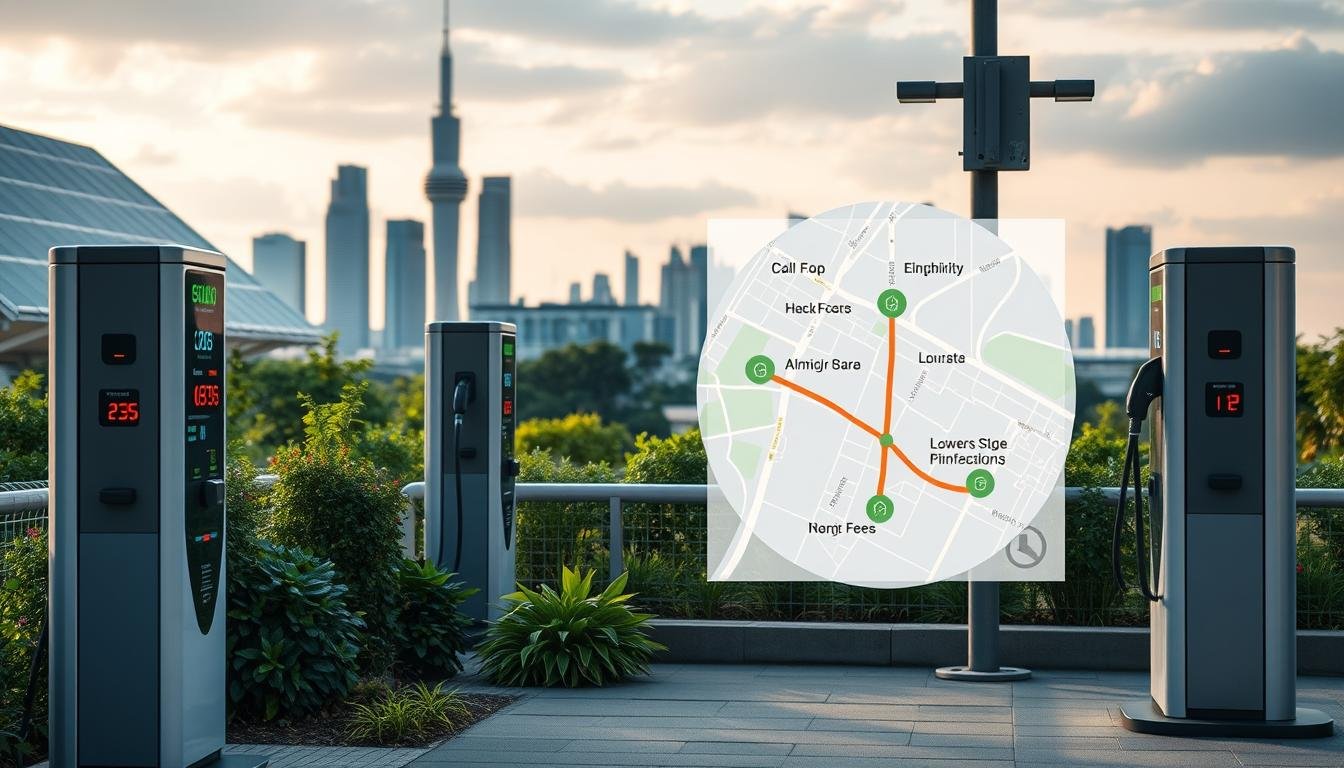
I always recommend checking the live map in your app. Comparing the price at different points before you start is a simple way to avoid surprises.
The Impact of Charging to 100% on Your Bills
Industry benchmarks, like those from the RAC, reveal the stark price difference between a full and partial session. They use a 64.8 kWh energy store as a standard example for popular family-sized models.
My analysis shows the final amount you pay is directly tied to your car's total capacity. For instance, filling a large 100 kWh unit completely can total around £27.20 at average domestic rates.
The table below illustrates how limiting your session affects your outlay. It uses a typical home tariff for clarity.
| Battery Size (kWh) | Cost to 100% (at 34p/kWh) | Cost to 80% (at 34p/kWh) | Potential Saving |
|---|---|---|---|
| 40 kWh | £13.60 | £10.88 | £2.72 |
| 64.8 kWh (RAC Example) | £22.03 | £17.63 | £4.40 |
| 100 kWh | £34.00 | £27.20 | £6.80 |
Consistently aiming for a maximum state means you pay for electricity you likely do not need daily. The process also becomes less efficient in its final phase.
By stopping at around 80%, you avoid this premium. Your vehicle's size is the main cost driver, so adjusting your plug-in habit is the simplest fix.
How EV charging to 100% battery cost UK Affects Your Wallet
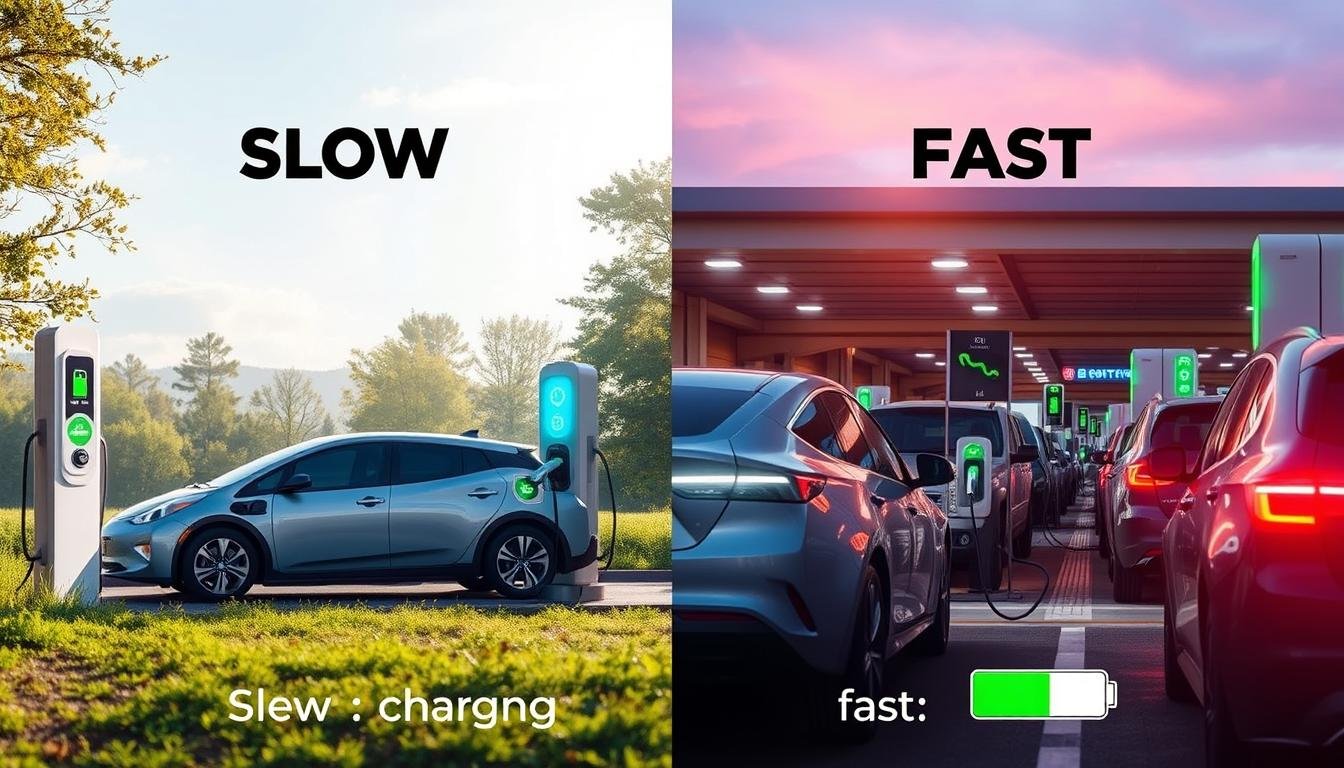
The final portion of a rapid plug-in session is not only slower but also more expensive per mile of range added. Most manufacturers advise that motorists should only use rapid chargers to reach 80% capacity. This preserves the long-term health of your energy store.
When you calculate the cost charge your electric car incurs, consider the speed drop. Topping up the final 20% takes disproportionately longer. You pay a premium for that extra time connected.
Many owners find their daily travel needs are easily met without a complete top-up every time. You gain less practical range per minute during that slow final phase. This makes the last segment poor value for money.
| Metric | Charging to 80% | Charging to 100% |
|---|---|---|
| Approximate Time Added | ~20-30 minutes | ~30-50+ minutes |
| Effective Cost per Mile | Lower | Higher |
| Recommended For | Daily use, long trips | Exceptional circumstances only |
By avoiding the final 20% on rapid chargers, you save cash. You also allow other drivers to access the point more frequently. This considerate practice helps everyone on the road.
Strategies to Maximimise Efficiency and Cut Costs
The secret to affordable motoring lies not just in how you drive, but in how you plan your vehicle's refuelling. Significant savings are unlocked by optimising your domestic setup and daily habits.
Focus on your home electricity contract and hardware. The right combination slashes your per-unit price for power.
Expert Tips for Reducing Overcharge Expenses
Your first move should be reviewing your power supplier's offer. Specialist plans for motorists provide dramatically lower rates overnight.
For example, the Intelligent Octopus Go tariff offers energy at just 7p per kWh between 11:30pm and 5:30am. This is far cheaper than standard rates.
| Tariff Type | Peak Rate (p/kWh) | Off-Peak Rate (p/kWh) | Est. Monthly Cost* |
|---|---|---|---|
| Standard Variable | 34 | 34 | £68.00 |
| Intelligent Octopus Go | 34 (approx) | 7 | £20.80 |
*Based on 200 kWh monthly use, with 75% of charging during off-peak hours.
A smart charger is essential to automate sessions during cheap periods. It communicates with your supplier to use the lowest tariffs automatically.
Installing a dedicated wallbox at home is safer and more efficient than a three-pin plug. It enables faster, scheduled top-ups for your electric car.
By managing your schedule, your vehicle is ready each morning at the lowest possible expense. This proactive approach is the cornerstone of economical ownership.
Comparing Home Charging vs Public Charging Costs
A simple comparison between refuelling at home and using commercial networks reveals a stark financial divide. Your choice directly impacts your pence per mile.
Home Charging Advantages and Savings
Powering your motor from a domestic socket is consistently the most economical method. You lock in a low, stable price per unit of electricity.
My calculations show a stark contrast with traditional fuel. A petrol model achieving 40 miles per gallon costs about 16.8p per mile.
An efficient electric car charged at home can achieve a cost below 6p per mile. This is a saving of over two-thirds for every journey you make.
Public Charging Variability and Premiums
Commercial points offer essential convenience, especially on long trips. Networks like the Tesla Supercharger system provide over 1,400 locations.
This service comes at a premium. The price per kWh at a rapid point is often double or triple your domestic tariff.
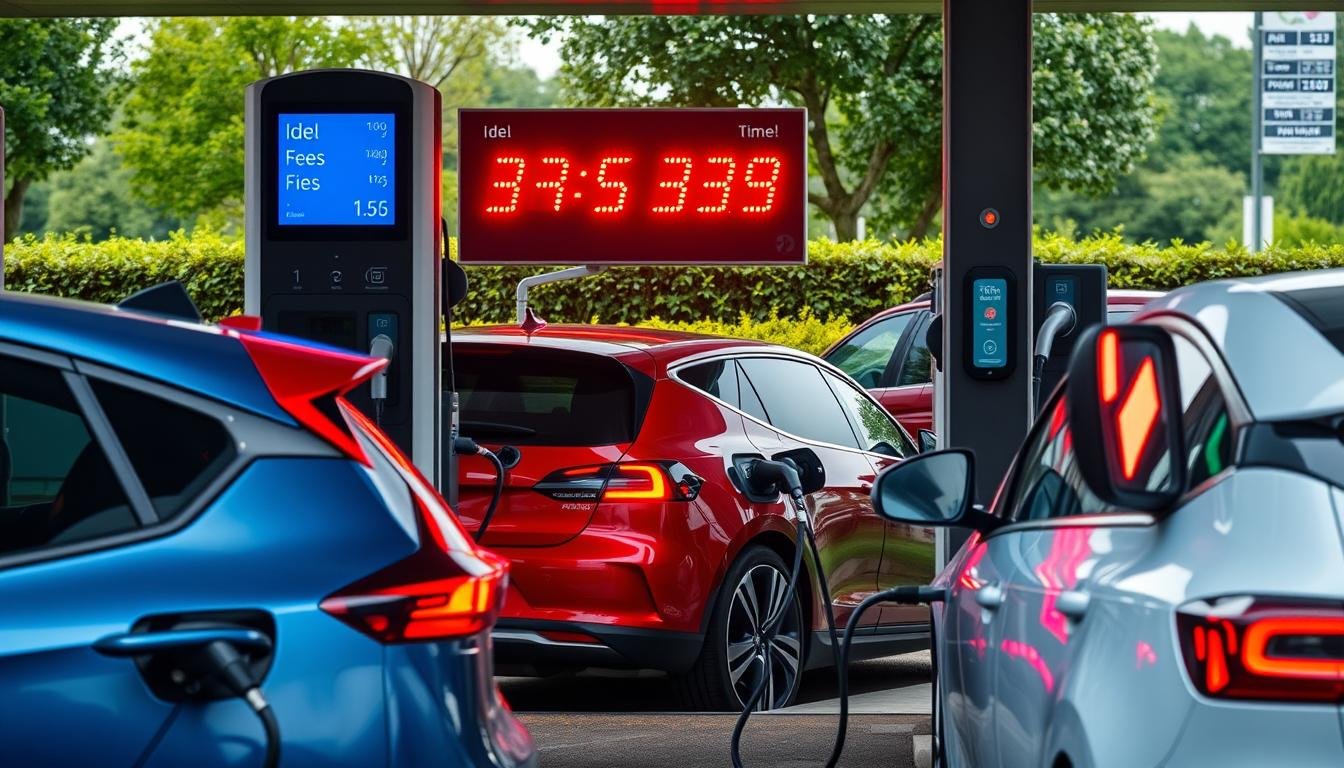
You also face variable costs and potential idle fees after your session finishes. These fees add unexpected expenses to your trip.
| Power Source | Estimated Cost per Mile | Key Characteristic |
|---|---|---|
| Home Electricity | ~5p - 7p | Low, fixed cost; requires off-peak tariff. |
| Public Network | ~15p - 25p | Variable, includes convenience premium. |
| Petrol / Diesel | ~17p | High, subject to volatile fuel prices. |
I recommend drivers use their home setup for daily needs. Reserve the public network for extending your range during longer travel.
This strategy maximises savings while ensuring you are never stranded. It is the smartest way to manage your transport budget.
Tips for Optimising Your EV Charging Routine
Optimising your plug-in routine is less about complex tech and more about smart daily decisions. I believe a few key habits can significantly reduce your expenses. They also extend the life of your motor's energy store.
Avoiding Unnecessary Overcharging
Start by understanding your vehicle's capacity. Check your battery size to gauge how much energy you truly need for daily trips. Most drivers only require a fraction of their total range.
Set a limit of 80% for regular sessions. This simple step prevents overuse at public points. It keeps your costs lower and supports long-term health.
Remember, the Government aims for rapid chargers to work 99% of the time. This reliability helps you plan without relying on a full top-up.
Leveraging Smart Charging Technologies
Invest in a smart charger for your home. This device can automate sessions to use cheap, off-peak tariffs. You lock in the lowest price per kWh overnight.
Your electric car will be ready each morning at a minimal expense. This technology also stops the process once your desired level is reached.
Combining these tools with mindful habits is the ultimate strategy. You save money, time, and contribute to a more efficient network for all drivers.
Conclusion
Mastering your charging habits is the final step towards truly economical electric motoring. In summary, resisting the urge for a full session can save you a notable sum on monthly energy costs.
By comprehending your vehicle's capacity and leveraging smart domestic setups, you maintain low outlays. This practice also supports the long-term health of your electric car.
Public chargers are essential for longer journeys but come at a premium. For daily needs, home refuelling is overwhelmingly the wiser financial choice for most drivers.
I strongly advise hunting for specialist off-peak electricity contracts. Securing the cheapest rate per kWh is crucial for maximising savings.
Ultimately, these strategies let you relish the advantages of modern transport without overspending. Drive smart, and keep your expenses in check.