Did you know a single app can now handle the fees for over 40 different public charging networks? This fact highlights a significant shift towards simplifying life for the modern motorist.
For many, the switch to an electric car brings new questions. One of the most common is how to handle the various ways to settle your bill at a public point. The landscape has evolved rapidly, moving beyond a single, universal system.
Platforms like Zapmap have become essential tools. They allow you to locate a point and manage the transaction all in one place. This greatly reduces hassle during your journey.
A major step forward is a new government rule. It states that all newly installed rapid chargers must offer a contactless option. This ensures a straightforward and accessible experience for every driver.
This guide will walk you through the main options available today. From dedicated apps to RFID cards and direct contactless taps, we will clarify how each one works. Our goal is to help you power up with confidence and ease.
Key Takeaways
- A single application can now provide access to scores of different networks across the country.
- New regulations mandate contactless capability on all recently installed rapid units.
- Consolidating your activity into one platform can streamline the entire process.
- Understanding the different systems in operation saves time and reduces stress.
- Options range from smartphone apps and membership cards to a simple tap of a bank card.
- Being prepared with the right knowledge makes every journey smoother.
Understanding Public EV Charging Payment Options
Motorists today can choose from a trio of primary systems to access energy on the road. These options ensure a reliable transaction method for every user. Understanding them is the first step to a hassle-free experience.
Overview of Payment Methods: Apps, Cards, and RFID
Smartphone applications allow you to locate a point, start a session, and manage your account all in one place. A contactless bank card offers a straightforward tap-and-go solution, similar to buying coffee. Finally, dedicated RFID cards provide access, often linking to a monthly account for regular users or fleets.
| Method | How It Works | Best For |
|---|---|---|
| Mobile App | Download, register, and use the app to initiate and pay for a session. | Drivers who use multiple networks and want detailed session history. |
| Contactless Card | Simply tap your debit or credit card on the unit's reader. | Occasional users or those seeking the ultimate in simplicity. |
| RFID Card | Hold your dedicated card near the reader; billing is typically consolidated. | Fleet managers or frequent users of a specific provider. |
Comparing Costs and Charging Session Details
For public charging, the fairest and most common pricing model is per kilowatt-hour (kWh). You only pay for the exact amount of energy your car receives. This method is transparent and widely adopted.
Some older units on certain networks still use per-minute pricing. This approach can penalise vehicles with slower intake capabilities. As one industry expert noted,
"Per-kWh pricing aligns cost directly with the product delivered—electricity."
Knowing the difference lets you compare costs effectively across providers. It ensures you select the most economical option for your needs.
App-Based Payment Methods for EV Charging
Using a dedicated mobile application streamlines the entire process from locating a point to settling the bill. This approach consolidates several steps into one seamless experience.
How Network Apps Simplify the Charging Process
Platforms like the Zest application display live availability at thousands of locations. This helps motorists plan their routes with confidence.
To begin an energy session, you can scan a QR code or select a unit manually within the app. Popular services include Octopus Electroverse, BP Pulse, and Pod Point.
These tools allow you to load your card details into a secure account. This enables automated billing for each use.
Benefits of Using a Dedicated Charging App
Network operators often reward app users with preferential pricing per kWh. This makes it a cost-effective choice.
You can download VAT receipts directly from your account. This is invaluable for business drivers tracking costs.
Real-time monitoring lets you see how much energy your car receives while away. It provides peace of mind.
| Popular Application | Key Feature | User Advantage |
|---|---|---|
| Octopus Electroverse | Cross-network access | Single account for multiple operators |
| BP Pulse | Integrated route planning | Finds available stations en route |
| Pod Point | Simple session management | Easy start/stop and billing history |
Contactless Payment: Tap and Charge
Eliminating the need for apps or accounts, contactless payment works just like any other retail transaction. This approach is widely available at rapid units across Britain. It provides a universal solution for any motorist.
Simply tap your credit or debit card on the reader. The process begins within seconds. No registration is required beforehand.
Steps for Quick and Easy Contactless Payment
Using this method involves a straightforward sequence. First, ensure your bank card has the contactless symbol. Then, hold it near the unit's designated reader.
A brief beep or light confirms the transaction has started. You can then plug in your vehicle. The system handles the rest automatically.
Cost Considerations and Pre-authorisation Clarified
Be aware of a temporary pre-authorisation hold. This is typically £30 to £50. It reserves funds on your account but is released within three to five working days.
While incredibly convenient, this option often has higher pricing per kWh. This is due to elevated processing fees for the terminal. For regular use, a dedicated app may be more economical.
You can obtain VAT receipts for any contactless session. Visit the provider's online portal and enter your transaction details. This is perfect for one-off top-ups or if you've forgotten your phone.
EV charging payment methods UK: Exploring RFID Cards and Fleet Accounts
A small plastic card can unlock thousands of points across the country through radio frequency identification. This technology offers a physical alternative to smartphone applications. It is particularly valued by business fleets and frequent drivers.
How RFID Payments Work at Charging Stations
RFID stands for radio frequency identification. The card contains a tiny chip that communicates with a reader at the station. You simply hold it near the designated point to initiate a session.
Before first use, you must link the card to an online account. Providers like Octopus Electroverse and Allstar manage this process. Once registered, the system recognises your card and bills your account accordingly.
Consolidated Billing and Fleet Management Benefits
For companies operating multiple vehicles, this system simplifies administration. All usage across different networks appears on one monthly invoice. Managers receive detailed reports showing energy consumption and costs per session.
This consolidated approach eliminates the need for individual receipts. It streamlines expense management and improves financial oversight. Many fleets find it an indispensable tool for controlling operational budgets.
Other Innovative Payment Techniques and Tech Ecosystems
The next frontier in refuelling your car involves automated systems that require no physical interaction. Beyond standard apps and contactless taps, new ecosystems are simplifying access even further.
These solutions aim to make using public infrastructure as straightforward as visiting a traditional fuel pump.
QR Codes and Cross-Network Payment Platforms
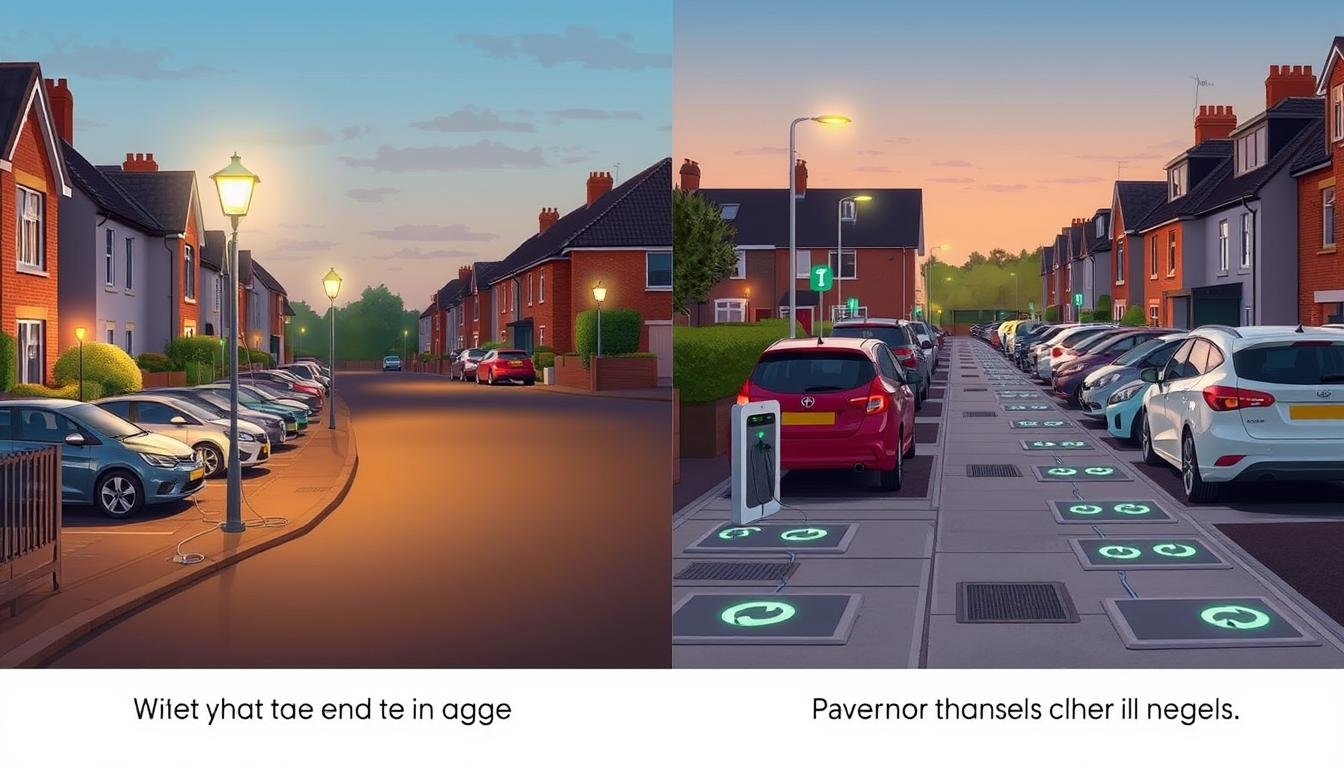
Scanning a quick response code is a popular method for on-street chargers. Providers like Ubitricity install units on lampposts.
You use your phone to scan the label. This opens a webpage to manage the transaction securely.
Always check the site's branding matches the station's signage. This simple step helps avoid potential scams.
Platforms like Zap-Pay create a unified tech ecosystem. They let you use one app across nine different networks.
This includes Osprey and ESB Energy. It consolidates your billing into a single account.
Future Technologies: Plug & Charge Innovations
The ultimate hands-free experience is called Plug & Charge. This technology is featured in models like the 2023 Genesis GV60.
You simply plug your vehicle into a compatible unit. The system automatically recognises the car.
It then starts the session and handles the payment without any input from the drivers. This represents the future of automated refuelling.
| Method | How It Works | Key Benefit |
|---|---|---|
| QR Code Payment | Scan a code with your smartphone to access a payment webpage. | Simple access for on-street lamppost chargers. |
| Cross-Network Platform | Use a single application across multiple operator networks. | Consolidated access and billing in one place. |
| Plug & Charge | Plug in the vehicle; automatic recognition initiates billing. | Fully automated, no app or card needed. |
Conclusion
Finding the most suitable way to handle your vehicle's energy needs ultimately comes down to what works best for your individual routine. Whether you prefer the all-in-one convenience of a smartphone application or the instant simplicity of a contactless card, your choice should match your daily habits.
Leading providers like Zest work to ensure transparent and reliable access across the nation. They help make every refuelling stop straightforward for all drivers.
It's wise to keep a physical card in your automobile as a backup. This prepares you for situations where your phone might be unavailable.
For business users, maintaining a dedicated account is essential. This approach provides proper VAT receipts for expense management and tax purposes.
As the infrastructure continues to expand, the entire process becomes increasingly integrated into daily life. The future promises even smoother journeys for everyone on the road.
FAQ
What is the most common way to pay at public charging stations?
Using a dedicated smartphone application is very common. Many networks, like BP Pulse and Pod Point, require their own app to initiate and pay for a session. These platforms store your billing details and can provide real-time data on point availability.
Can I just tap my bank card at any charger?
Many newer units now offer direct contactless card payments. You simply tap your credit or debit card to start. Be aware that some providers may place a temporary pre-authorisation hold on your funds, which is later replaced by the final cost for the electricity used.
What is an RFID card used for?
An RFID fob or card provides secure access to a specific network's stations. You hold it against the reader to begin powering your vehicle. It's a reliable physical backup to an app and is often favoured by business fleets for consolidated billing.
Are there any platforms that work across multiple networks?
Yes, services like Bonnet and Zap-Pay aim to simplify the process. They act as a cross-network platform, letting you use one app and a single payment method to access many different charger brands, reducing the need for multiple accounts.
How do I know the price before I charge?
Pricing is usually displayed on the charger's screen or within the provider's application. Costs are typically shown in pence per kilowatt-hour (kWh). Always check the rates on the unit or in your app before starting a session, as they can vary significantly by location and network.
What is 'Plug and Charge' technology?
This is an emerging, automated standard. It allows the car to communicate directly with the charging station to authenticate and bill your account seamlessly, with no need for an app, card, or QR code. It's designed to make the process as simple as refuelling a traditional car.