With over 87,796 public connectors now operational across Britain, the shift to electric mobility is accelerating. This vast network supports our journey towards a cleaner future. Yet, this shared resource relies on a simple concept: mutual consideration.
Plugging in your motor away from home is a common necessity. While topping up your battery at your residence is often easiest, longer journeys depend on these public points. Every driver using them shapes the collective experience.
Knowing a few unwritten rules makes all the difference. It ensures the system works smoothly for you and the person waiting next. Good manners at the plug prevent frustration and keep the network reliable for everyone.
This guide outlines the essential courtesies. Mastering them turns a routine task into a positive part of your drive.
Key Takeaways
- Understanding public plug manners is crucial for every electric vehicle owner.
- Knowing the unwritten rules ensures a smooth session for all motorists.
- Home-based power top-ups offer convenience, but public infrastructure is vital for longer trips.
- Each public unit demands consideration to keep it accessible for other road users.
- Adhering to these guidelines improves the overall network experience for everyone.
Understanding the Importance of EV Charging Etiquette
A recent survey of 2,000 adults reveals growing attention to the manners required at public power units. With the 2035 ban on new petrol and diesel cars approaching, using shared infrastructure is becoming a routine part of driving. This shift makes considerate behaviour more critical than ever.
Every motorist shapes the experience for others. Good practice ensures the system works smoothly for everyone.
Public Charging vs Home Charging: Key Differences
Plugging in at your residence is often cheaper and more convenient. For those without a private driveway, public points are essential. They serve as a lifeline for longer trips and daily use.
The key difference lies in availability and cost. Home-based power top-ups offer control, while public stations require planning. Recognising this helps manage expectations.
The Impact on Fellow EV Drivers
Every electric car owner must see public power as a shared resource. Poor manners can lead to significant frustration for others waiting. This directly affects confidence in using the network.
A blocked charger or overlong session inconveniences fellow drivers. Simple courtesy, like moving your vehicle when full, makes a big difference. It keeps the infrastructure reliable for all.
EV charging etiquette UK: A Comprehensive How-To Guide
The expansion of Britain's power network for automobiles brings a new set of social responsibilities. This guide helps you navigate them smoothly.
Unwritten Rules and Community Considerations
When using public infrastructure, remember you're part of a growing community. Good manners ensure everyone gets the power they need.
Always check your chosen point's status before arriving. This simple step prevents frustration for you and other drivers.
The golden rule is simple: be considerate. Move your car promptly once your session ends.
| Action | Considerate Approach | Inconsiderate Approach |
|---|---|---|
| Session Management | Unplug and depart when your vehicle is full. | Leaving your car plugged in after completion. |
| Space Occupancy | Park correctly within the marked bay only. | Blocking access or using the space for non-charging tasks. |
| Cable Handling | Return the cable neatly to its holster. | Dropping the cable on the ground for others to trip over. |
Following these principles maintains a positive reputation for all electric vehicle owners. It makes the network work better for everyone.
Preparing for Your Charging Session
A successful power top-up begins long before you arrive at the station. Good planning turns a potential hassle into a smooth part of your journey.
It ensures you use the network efficiently and consider other motorists.
Using Apps and Planning Ahead
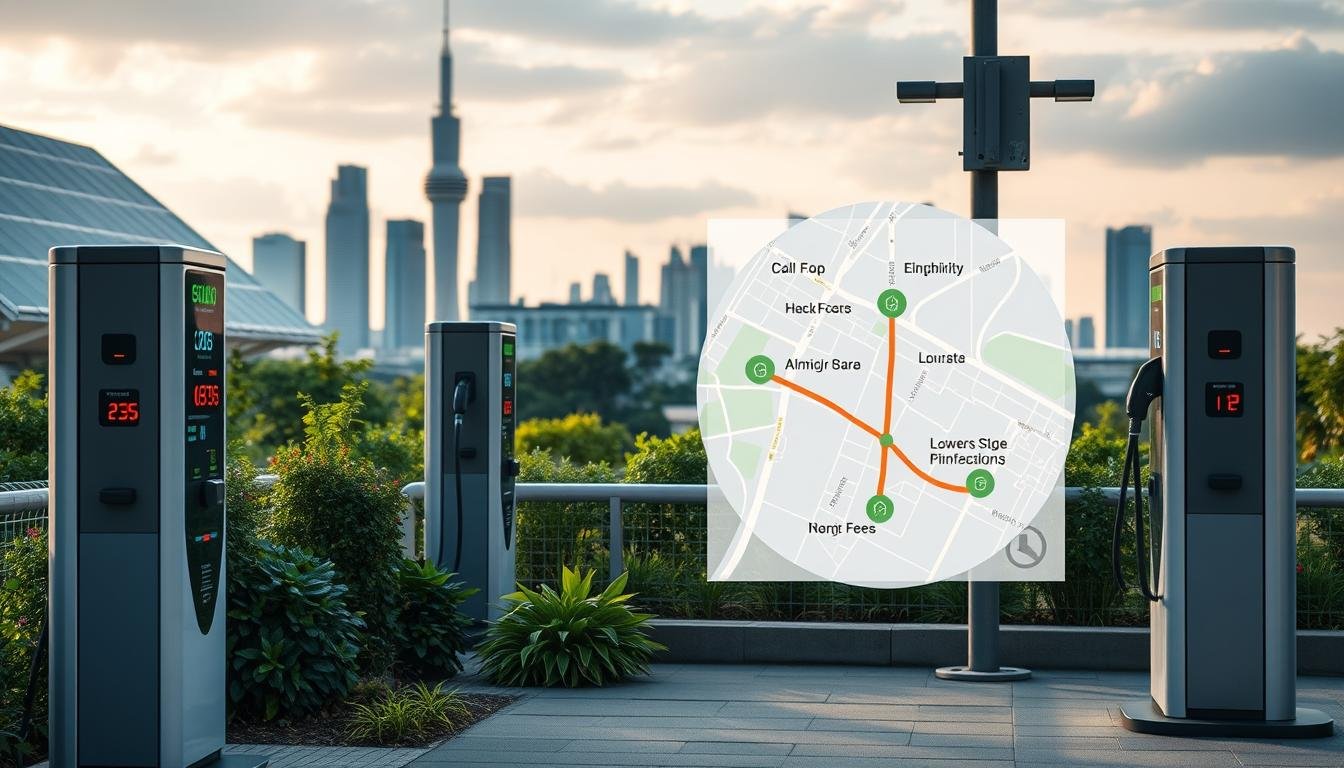
Modern tools are essential for managing your vehicle's range. Applications like Zap-Map show live statuses for charging points across the country.
Plot your route before your battery gets low. This proactive step reduces anxiety and saves precious time.
Industry experts recommend keeping your battery charge between 20% and 80% to maintain long-term health.
Choosing the Right Charging Point
Not all plugs are suitable for every car. Check your vehicle's compatibility before you travel.
Using a rapid chargerwhen your battery is nearly full is inefficient. It slows down the process for everyone waiting.
Many driversfind starting the day with a full battery from a home unit reduces reliance on using public infrastructure.
| Preparation Step | Primary Tool | Key Benefit |
|---|---|---|
| Route & Point Planning | Specialist Apps (e.g., Zap-Map) | Manages range, finds available points |
| Compatibility Check | Vehicle Manual / App Filters | Ensures connector and power rate match |
| Battery Health Management | On-board Systems / Timers | Optimises session speed and battery life |
| Home Charging Routine | Domestic Wallbox | Provides a reliable, cost-effective base charge |
This organised approach helps you manage your range effectively. You avoid being stranded and keep the shared resource flowing for other cars.
Managing Charging Speeds and Technology Effectively
Older models, such as the 2010-2017 Nissan Leaf, remind us that not all connectors are created equal. Using the right equipment for your automobile ensures efficient power transfer and avoids frustration.
This knowledge helps you select appropriate infrastructure and manage expectations during a session.
Selecting the Appropriate Charger for Your EV
Your electric car has specific connector requirements. The aforementioned Nissan Leaf uses a Type 1 plug, which is now less common than the Type 2 standard.
Always verify compatibility before you travel. Using the wrong connector simply won't work.
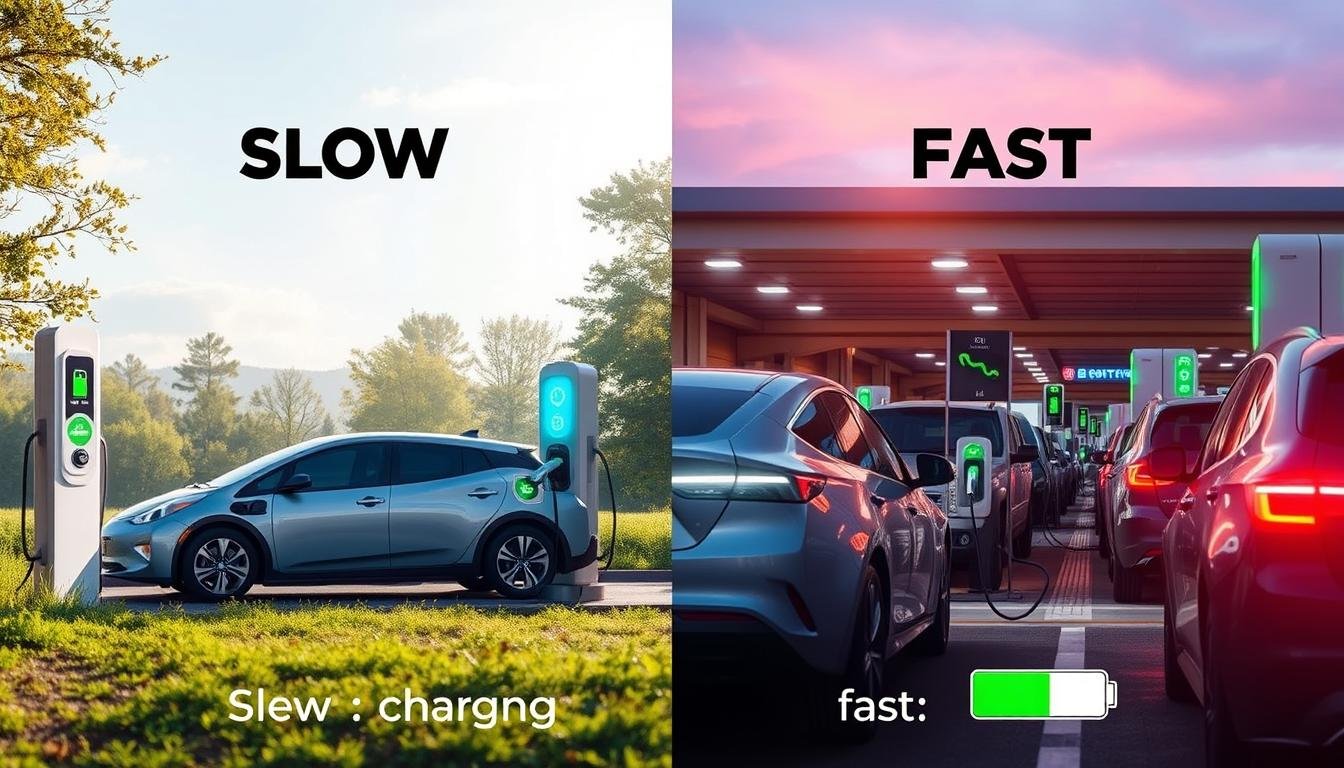
Every vehicle also has a maximum accepted power rate. Plugging into a powerful 350kW charger will not speed up your session if your car can only accept 50kW.
This is a crucial technical limit to understand.
For regular use, a domestic point rated at 7kW is perfectly adequate. Overnight charging at home maintains your battery health and provides a reliable base charge.
When using public points, only select rapid chargers if your vehicle genuinely benefits from the higher output. This considerate approach frees these vital resources for other drivers on long journeys.
Good etiquette means understanding your technology and not occupying a high-speed unit unnecessarily.
Avoiding Common EV Charging Mistakes
Two of the most frequent sources of frustration for motorists are bay hogging and bay blocking. Knowing how to avoid these errors keeps the shared system flowing smoothly for everyone.
| Common Mistake | Considerate Action | Typical Consequence |
|---|---|---|
| Overstaying after your car is full | Move your vehicle promptly post-charge | Idle fees (e.g., up to £1/min at full Tesla sites) |
| Ignoring posted time limits | Check for & adhere to limits (often 45 mins) | Prevents access for other drivers needing a charge |
| Blocking a charging bay with a petrol/diesel car | Park only in designated bays when charging | Causes significant delay, known as 'ICEing' |
Don't Become an EV Bay Hogger
Leaving your automobile plugged in long after it's full is a major breach of good practice. Networks impose rules to prevent this.
For example, Tesla Superchargers apply idle fees. These start at 50p per minute when the station is half full. They rise to £1 per minute at full capacity.
Other public charging networks often enforce a 45-minute maximum stay. This keeps vital charging points available for others.
Staying Calm When ICE'd in a Charging Bay
Finding a charging bay occupied by an internal combustion engine vehicle is frustrating. This act is called 'ICEing'.
The best approach is to remain calm. Avoid confrontation with the other driver. Use your app to find the next nearest available charging point.
Patience and a cool head do more to build a positive community than any angry exchange ever could.
Remember one golden rule: never unplug someone else's automobile. This can damage the port and is considered very poor etiquette by all drivers.
Navigating Workplace and Shared Charging Points
Effective management of limited plug-in spaces at work relies on clear communication and consideration. These locations are not personal property. They serve as a shared resource for all staff members who drive electric vehicles.
Cooperation ensures everyone gets a fair turn to power up their automobile. Without it, frustration can quickly build in the company car park.
Cooperating with Colleagues and Sharing Resources
Open dialogue with fellow motorists is the first step. A quick chat or a note on the windscreen can schedule usage times. This simple act prevents two cars needing the same charger simultaneously.
Always move your vehicle as soon as your session ends. Lingering blocks access for others and is poor workplace etiquette. Setting up a dedicated group for electric vehicle drivers at your office is a smart move.
This group can coordinate who uses the point and when they should vacate the bay. It turns a potential source of conflict into a smooth, shared system.
Leave the charging point in the condition you found it. Neatly return the cable to its holster. A tidy parking area is safer and more pleasant for someone else.
As more employees switch to electric cars, this cooperative spirit becomes essential. It makes the most of limited infrastructure and keeps the workplace harmonious for all drivers.
Handling Public Charging Queues and Infrastructure Challenges
Navigating a queue for a public power point requires a blend of patience, planning, and respect for fellow drivers. With over 87,000 connectors across Britain, high demand at popular locations is common. This reality makes considerate behaviour essential for keeping things moving smoothly.
Managing Queue Dynamics and Waiting Times
When you encounter a line, clear communication is key. A polite word with other motorists helps establish the order and expected wait. Never block the access lane or a neighbouring bay while waiting.
This only creates more congestion and frustration for everyone. Remember, the charging rate slows dramatically once a battery passes 80%.
If you are only topping up the last few percent, consider moving on. This frees the charger for another driver who needs a more substantial charge.
Maintaining Charger and Cable Etiquette
If you find a unit is faulty, report it immediately via the network's app. This simple act helps maintain the quality of our shared charging infrastructure for all drivers.
Should you find a space occupied by a petrol or diesel car, stay calm. The best rule is to use your app to find the next available charging point.
A positive community is built by solving problems, not creating new ones.
Finally, always handle cables with care. Neatly return the connector to its holster after your session. Leaving equipment tidy is a basic courtesy for the next person.
Conclusion
Consideration at the plug is not just a courtesy; it's the fuel that keeps the electric transition moving forward. Adopting good etiquette ensures a positive experience for every motorist and supports the growth of our shared infrastructure.
By following the simple guidelines outlined, you help maintain the integrity of the public network. Remember, every charger is a shared resource. Your thoughtfulness makes the entire process more efficient and less stressful for other drivers.
Whether you are powering up at home or using a public point, your actions matter. They contribute directly to a more sustainable and friendly driving culture for all.
We hope this guide helps you navigate your journey with confidence and respect for the wider community. Together, we can make this new era of motoring a success.
FAQ
What is the main difference between using a public plug and charging at home?
The key difference is that public infrastructure is a shared resource. At your house, you can leave your car connected for as long as you like. At a public point, other motorists may be waiting, so it’s considerate to move your vehicle once its battery is sufficiently full.
How can I avoid blocking a bay when I don’t need to charge?
Only park in a designated charging space if you actively need to use the equipment. Parking there without plugging in, often called ‘ICEing’ if done by a petrol or diesel car, prevents others from accessing a vital service. Always check signage to confirm the bay’s purpose.
What should I do if all the rapid plugs are in use?
If you don’t urgently require a high-power top-up, consider using an available fast or destination charger instead. This frees up the rapid infrastructure for drivers on longer journeys who need it most. Planning your stop with an app can show live availability before you arrive.
Is it acceptable to unplug another person’s vehicle?
Only if the station’s policy explicitly allows it and the owner has finished their session, which some networked apps can indicate. It is generally poor form to disconnect someone else’s car without permission. If you must, leave a polite note with your contact details.
How should I handle the cable at a public station?
Always return the connector neatly to its holster after use. Never leave a cable draped across the floor or pavement, as this creates a trip hazard and can damage the equipment. Keeping the area tidy is a simple courtesy for the next user.
What are the rules for using workplace charging points?
Workplace points require good communication and cooperation. Discuss with colleagues to establish fair rotation systems, especially if resources are limited. Move your car during the day once charged to allow others a turn, and never treat a company bay as your exclusive personal parking spot.