Imagine your parked electric car not only saving you money on fuel but also earning you an income while it sits idle. This is not a distant fantasy. In 2026, Nissan is set to become the first car manufacturer to receive official grid certification for its V2G system in Britain.
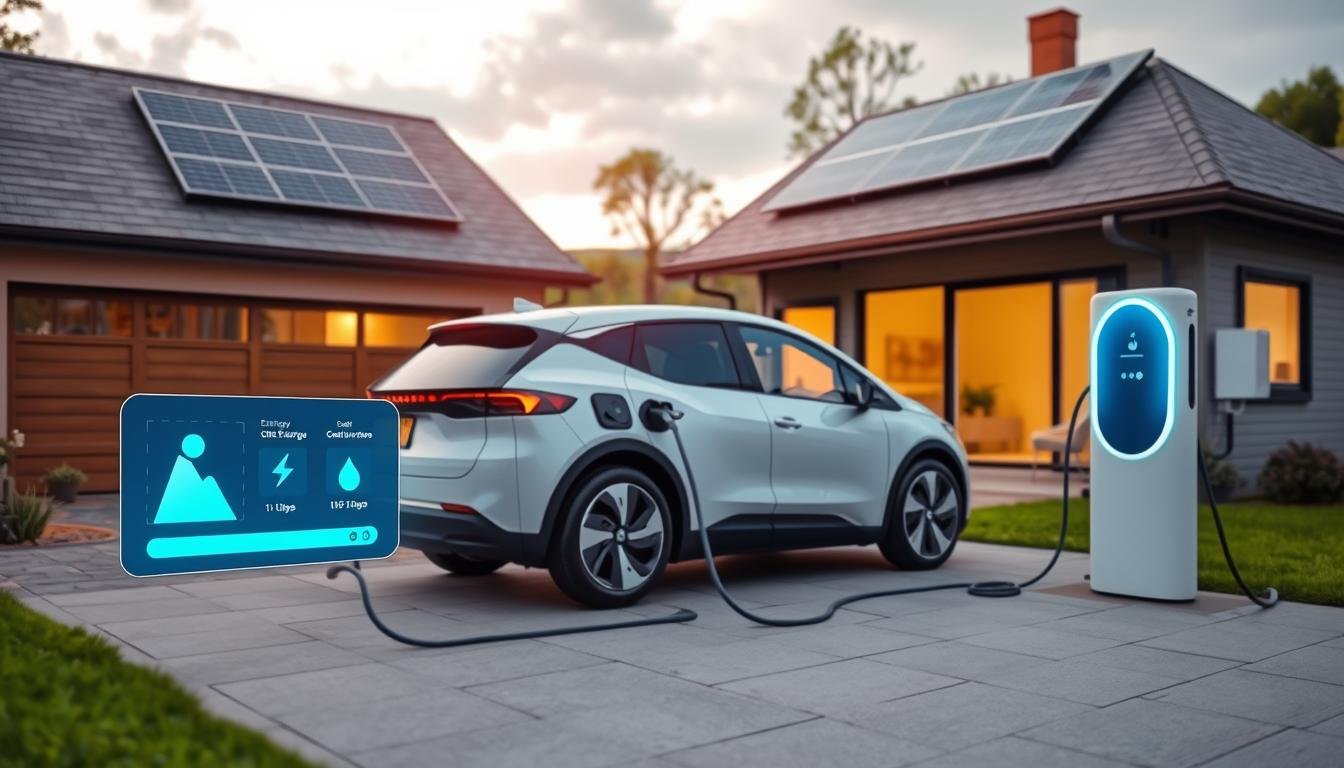
This pioneering step signals a major shift in how we think about energy. Your electric automobile can transform into a mobile power bank for your house. It can supply electricity back to the national network when demand is high.
The concept turns a personal asset into a communal resource. As Britain's electricity system faces greater strain, this innovation offers a clever solution. It helps balance supply and demand, preventing potential blackouts.
For homeowners, the benefits are tangible. You could power your lights and appliances during a peak tariff period. You might even receive payments for the energy your car provides. This is a crucial consideration for anyone exploring an electric vehicle salary sacrifice scheme to cut motoring costs.
Key Takeaways
- Nissan will launch a certified, affordable V2G package in Britain from 2026.
- Your electric car can function as a mobile energy storage unit, powering your home.
- This system supports the national electricity network by balancing demand during peak times.
- Homeowners can contribute to grid stability and potentially earn revenue.
- Understanding this innovation is valuable when considering an EV salary sacrifice scheme.
Introduction to Vehicle-to-Grid Technology
The era of your car simply drawing power from the socket is rapidly coming to an end. A new system turns your automobile's battery into a dynamic asset for the national network. This innovation allows stored power to flow both ways.
It transforms a parked electric vehicle into a distributed storage unit. This helps balance electricity demand during peak evening hours. The result is a more resilient and efficient power system for everyone.
What is V2G and Why It Matters
Unlike conventional charging, vehicle-to-grid creates a two-way energy exchange. Your car can supply power back to your home or the local network when needed. This bidirectional flow is the core of better energy management.
It matters because it supports the integration of renewable sources like wind and solar. These sources are intermittent. Using car batteries for storage smooths out supply, reducing reliance on fossil fuel plants.
| Feature | Conventional Charging | V2G System |
|---|---|---|
| Energy Flow Direction | Grid to vehicle only | Bidirectional (grid ↔ vehicle) |
| Primary Function | Refuel the battery | Refuel and act as a power source |
| Grid Support | Minimal (smart timing) | Active (demand balancing, storage) |
Evolution from Trials to Commercial Reality
This technology has progressed from closed pilot projects to a market-ready solution. Major manufacturers are now leading the charge towards a 2026 launch for certified packages.
This shift from trials to commercial reality marks a pivotal moment. It signifies that the hardware, software, and market frameworks are aligning. Soon, this will be a standard consideration for new electric vehicles.
Exploring V2G technology UK vehicle to grid
This approach moves beyond simple charging. It creates a partnership between your automobile and Britain's electricity network.
The Concept of Bidirectional Energy Flow
At its core, this system enables a two-way exchange. Your car's battery can send power back to your home or the local network.
This creates a clever daily cycle. During sunny afternoons, your automobile stores excess solar generation. In the evening peak, it can supply this power back.
| Time of Day | Renewable Energy Situation | Vehicle Action | System Benefit |
|---|---|---|---|
| Midday | High solar output | Stores excess power | Prevents renewable waste |
| Evening Peak | Low generation, high demand | Exports stored power | Supports grid stability |
| Overnight | Low demand periods | Recharges at low cost | Uses cheap, clean energy |
This relationship ensures efficient use of resources. Every compatible car becomes a mobile power station. It helps balance the entire energy system.
How Vehicle-to-Grid Works Technically
Turning your electric car into a household power source is a feat of electrical engineering. It moves far beyond a standard plug. The entire setup relies on a sophisticated charging unit that manages a two-way energy flow.
This unit must perform complex conversions and communicate seamlessly with the national grid.
The Bidirectional Inverter: Heart of the Conversion
The core hardware is the bidirectional inverter. When charging your automobile, it converts alternating current (AC) from your home supply into direct current (DC) for battery storage.
The magic happens in reverse. To send power back, the unit converts the battery's DC back into clean AC electricity. This AC can then feed your home appliances or export to the local network.
The Critical Need for Synchronisation
Exporting electricity is not a simple release of energy. The power must perfectly match the grid's precise frequency and voltage. Any mismatch could cause instability.
This synchronisation is a major technical hurdle. Evidence shows the challenge is real. Out of 14 British type-testing applications for these chargers, 11 have failed to meet the strict standards.
The charging station continuously talks to grid operators. It manages the flow based on real-time network conditions, ensuring safety for all.
Real-World V2G Trials and UK Examples
Real-world projects are providing the essential data needed to bring bidirectional energy systems into homes. Several large-scale initiatives have moved beyond theory to demonstrate how everyday drivers can participate.
These trials offer crucial insights into user behaviour and system performance. They help refine the practical rollout of this innovation across Britain.
The Electric Nation Project and INDRA Implementations
The Electric Nation project, managed by Western Power Distribution, involved hundreds of participants. It collected vital information on how people use their automobiles and chargers in a real setting.
Another key player, INDRA, has installed over 1,000 bidirectional units. Their work includes the Project Sciurus initiative, focusing on commercial fleet applications.
| Trial Name | Lead Organisation | Scale | Primary Focus |
|---|---|---|---|
| Electric Nation | Western Power Distribution | Hundreds of households | Domestic user behaviour & grid support |
| Project Sciurus | INDRA | Over 1,000 units deployed | Commercial fleet & energy services |
| Academic Research | University of Warwick | Algorithm development | Optimising control for network stability |
Findings confirm the reliability and economic potential of using car batteries. Participants could support the national network while earning rewards.
Research institutions continue to develop smarter control algorithms. This work ensures future systems are efficient and secure for all users.
Benefits of V2G for Homeowners and the Grid
Turning parked cars into distributed power resources creates a win-win scenario for households and the electricity system. The benefits are both personal and communal, enhancing financial resilience and national infrastructure.
Earning Potential and Energy Independence
Current trials suggest participants could see annual savings exceeding £1,500. This income comes from supplying power back to the network during expensive peak periods.
Homeowners also gain greater control over their energy use. Your automobile acts as a mobile storage unit, reducing reliance on costly grid electricity when prices are highest.
Supporting Renewable Integration and Grid Stability
The national grid faces sudden surges in demand. During the Euro 2020 football final, an extra 1.8MW was required—equivalent to 720,000 kettles boiling at once.
Bidirectional systems provide crucial flexibility. They store excess wind or solar generation that would otherwise be wasted during low demand.
This helps maintain a stable frequency across the entire network, preventing potential issues and supporting a cleaner energy mix.
Comparing V2G with Other Bidirectional Charging Solutions
Understanding the various bidirectional power solutions clarifies where V2G fits in. It is one part of a broader family of applications, each with a distinct purpose.
Knowing the differences helps you choose the right system for your needs.
Differences between V2G, V2H, V2B, V2L, and V2X
All these terms fall under the umbrella of Vehicle-to-Everything (V2X). The core difference lies in where the car's energy is sent.
Vehicle-to-Grid (V2G) exports electricity directly to the national grid. This supports network stability. In contrast, Vehicle-to-Home (V2H) powers your house directly, often to avoid peak tariffs.
Vehicle-to-Building (V2B) applies this concept to commercial properties. Businesses can use fleet cars for cost management. Vehicle-to-Load (V2L) is simpler, providing a plug socket for devices like laptops or camping gear.
| Application | Power Destination | Primary User Benefit |
|---|---|---|
| Vehicle-to-Grid (V2G) | National electricity network | Earn revenue, support grid balance |
| Vehicle-to-Home (V2H) | Your domestic property | Power home during expensive periods |
| Vehicle-to-Building (V2B) | Office or commercial site | Reduce business energy costs |
| Vehicle-to-Load (V2L) | External devices/appliances | Portable power supply |
| Vehicle-to-Everything (V2X) | All of the above | The complete integration concept |
How It Differs from Traditional Smart Charging
Standard smart charging is a one-way street. It cleverly schedules when your car draws power, usually to use cheaper, greener electricity.
This process remains unidirectional. The energy only flows from the grid into the battery.
Bidirectional systems like V2G add a crucial second lane. They enable power to flow back out. This turns your car from a smart consumer into an active participant in the energy market.
Current Availability and Future Outlook in the UK
Right now, a select group of electric cars and charging units can already interact with Britain's electricity system. The market is in its early stages, with a clear path for expansion ahead.
For homeowners, knowing what works today is the first step.
Existing V2G-Compatible Vehicles and Chargers
The Nissan Leaf remains the dominant V2G-compatible consumer automobile. All its generations support bidirectional charging via the CHAdeMO connector.
For hardware, the Wallbox Quasar is a notable bidirectional charger. It offers 7.4kW capability. Current availability, however, is mostly limited to participants in official trials.
| Component | Current Status | Key Detail |
|---|---|---|
| Consumer Vehicle | Nissan Leaf (all gens) | Uses CHAdeMO for bidirectional flow |
| Bidirectional Charger | Wallbox Quasar | 7.4kW power; limited UK rollout |
| Connector Standard | CHAdeMO | Enables existing V2G services |
Emerging Models and ISO 15118 Standard Developments
The future landscape looks brighter. Manufacturers like Hyundai and Kia have confirmed their newer models are bidirectional-capable.
Their full activation awaits regulatory approval. A crucial development is the ISO 15118 standard.
This protocol will allow cars with the more common CCS plug to join the network. As the market matures, more charger options should arrive, increasing accessibility.
Financial Considerations and Payback Periods
Evaluating the financial side reveals both immediate costs and long-term savings for homeowners. Understanding the investment required is a crucial step before committing to a bidirectional setup.
Hardware Costs and Installation Requirements
The hardware for a bidirectional charger currently represents a significant upfront expense. Prices range from £3,700 to over £6,000 for the unit alone.
Installation adds substantial costs due to technical complexity. G98 or G99 grid connection approvals can add between £1,000 and £3,000 to the total project cost.
Calculating Savings and Payback Scenarios
Conservative estimates suggest a payback period of three to five years for current installations. This assumes annual savings of £300 to £500 from energy arbitrage and network services.
High-usage households, especially those with solar panels and multiple electric vehicles, may see faster returns. Payback could shrink to two or three years, depending on power prices and service payments.
| Usage Scenario | Estimated Total Cost | Projected Payback Period |
|---|---|---|
| Standard Household | £4,700 - £9,000 | 3 - 5 years |
| High-Usage with Solar | £4,700 - £9,000 | 2 - 3 years |
| Future Mass-Production | £3,000 - £5,000 (est.) | 1.5 - 3 years (est.) |
Industry experts expect charger prices to fall towards £2,000 to £3,000 for basic units once mass production begins. This will improve the economic case significantly.
Challenges and Limitations of V2G Integration
While the potential is significant, integrating car batteries into the national electricity network presents several practical hurdles. Homeowners and system planners must navigate these issues for widespread adoption.
The journey is not without its complications, from hardware concerns to regulatory processes.
Battery Degradation and Warranty Considerations
A primary concern for owners is the impact on their automobile's battery health. Frequent charging and discharging could, in theory, shorten its lifespan.
Research from Imperial College London offers reassurance. Their studies suggest smart software can manage charging patterns to have a minimal impact on battery longevity.
However, a major financial risk remains. Many manufacturers' warranties may specifically exclude damage linked to bidirectional V2G usage. Early adopters must check their policy terms carefully.
Infrastructure Upgrades and Regulatory Hurdles
Connecting a bidirectional system to the local network is a bureaucratic process. The G98 or G99 grid connection approval can take months.
It requires coordination between installers, homeowners, and the Distribution Network Operator. Older properties may also need costly electrical upgrades to handle the two-way power flow.
Furthermore, current energy market structures are designed for large power stations. They need adaptation to fairly accommodate many small-scale participants, like individual electric vehicles.
| Challenge Area | Specific Hurdle | Key Consideration for Homeowners |
|---|---|---|
| Battery & Warranty | Potential lifespan impact and warranty exclusions | Verify manufacturer terms; rely on smart software management |
| Grid Connection | Complex G98/G99 application process | Factor in potential months-long delays and extra costs |
| Home Infrastructure | Electrical system capacity in older homes | An assessment may reveal need for a consumer unit upgrade |
| Market Access | Services markets favour large generators | Future policy changes are needed for fair small-scale participation |
Government Policies and Support for V2G Adoption
Government action is paving the way for car batteries to become active participants in our power system. Strategic plans and financial backing aim to turn a promising concept into a common household feature.
This support is essential for building the necessary market conditions and technical standards.
Regulatory Frameworks, Incentives and Funding Programmes
A key pillar is the Electric Vehicle Smart Charging Action Plan. It encourages grid flexibility and actively promotes bidirectional charging solutions.
Alongside this, the Vehicle-to-X Innovation Programme has a clear mission. It seeks to remove barriers to the wide-scale rollout of V2G by the end of 2025.
Targeted funding is a core part of this initiative.
| Programme / Body | Primary Role | Key Aim for the System |
|---|---|---|
| Electric Vehicle Smart Charging Action Plan | Policy & Strategy | Foster grid flexibility and promote bidirectional solutions |
| Vehicle-to-X Innovation Programme | Research & Development Funding | Remove technical and commercial barriers by 2025 |
| Ofgem & Distribution Network Operators | Regulation & Infrastructure | Ensure smooth charger-grid connections for all users |
Regulator Ofgem works with network operators on connection rules. Their collaboration ensures the hardware links smoothly to the local network.
Funding mainly supports research and demonstration projects. Direct consumer grants for buying compatible vehicles are still limited.
Overall, frameworks are evolving to support this bidirectional technology within the national energy system.
Conclusion
Looking ahead, the collective battery capacity of millions of electric cars represents an unprecedented opportunity for our power system. With an estimated 140-240 million electric vehicles projected globally by 2030, their potential for balancing the national electricity network is immense.
This bidirectional approach stands at a critical juncture. It offers a clear path toward a more stable and flexible zero-carbon grid. By transforming our automobiles into mobile energy storage, we can maximise the use of renewables.
Reliance on fossil fuels can be significantly reduced. Challenges around hardware costs and regulations persist. Yet, the trajectory for V2G adoption is firmly moving toward mainstream availability.
Integration into our homes and the wider grid will be essential. It is a key step for achieving our net zero targets and building a resilient energy future.
FAQ
What exactly is vehicle-to-grid technology?
Vehicle-to-grid (V2G) is a smart charging system that allows energy to flow both ways. Your electric car can draw power from the national network and send stored electricity back to it. This turns your car's battery into a mobile energy storage unit, helping to balance supply and demand.
How can I earn money from a V2G system?
You can earn money by providing services to the electricity grid. Energy suppliers and aggregators pay for the ability to use your car's battery during peak demand times or to store excess renewable power. This can offset your charging costs and, over time, contribute to the system's payback period.
Will using V2G damage my electric car's battery?
A> Most manufacturers design their batteries to handle smart charging cycles. However, frequent, deep discharging could contribute to wear. It's crucial to check your vehicle's warranty terms. Many schemes are designed to operate within limits that protect battery health, prioritising long-term durability.
What do I need to install a V2G charger at home?
You need a bidirectional charger, a compatible electric vehicle, and a professional installation. A certified installer must connect the unit to your home's consumer unit and ensure it meets all safety and grid connection regulations. Some older properties may require a mains electricity upgrade.
Which electric cars in the UK are currently V2G compatible?
As of now, the Nissan Leaf and Nissan e-NV200 are the most widely supported models for full vehicle-to-grid services. Other manufacturers, including Volkswagen and Hyundai, have announced future V2G compatible vehicles. Always check the latest specifications with the manufacturer or your charge point installer.
How does V2G support wind and solar power?
Renewable energy sources like wind and solar are intermittent. V2G helps by storing surplus clean power in EV batteries when generation is high. This stored electricity can then be fed back into the electricity grid when renewable output is low, smoothing out supply and reducing reliance on fossil fuels.
What's the difference between V2G and simply charging my car at night?
Standard smart charging only draws power to fill your battery, often at off-peak, cheaper times. V2G adds the crucial ability to discharge energy back to the power back grid. This two-way flow provides grid stability services that one-way charging cannot, creating additional value and potential earnings.
Are there any government grants for V2G chargers in the UK?
Specific consumer grants for home V2G chargers have been limited. However, significant government and industry funding has supported large-scale trials and commercial fleets. It's worth checking the latest schemes from OZEV (Office for Zero Emission Vehicles) and with your local energy network operator for any available incentives.