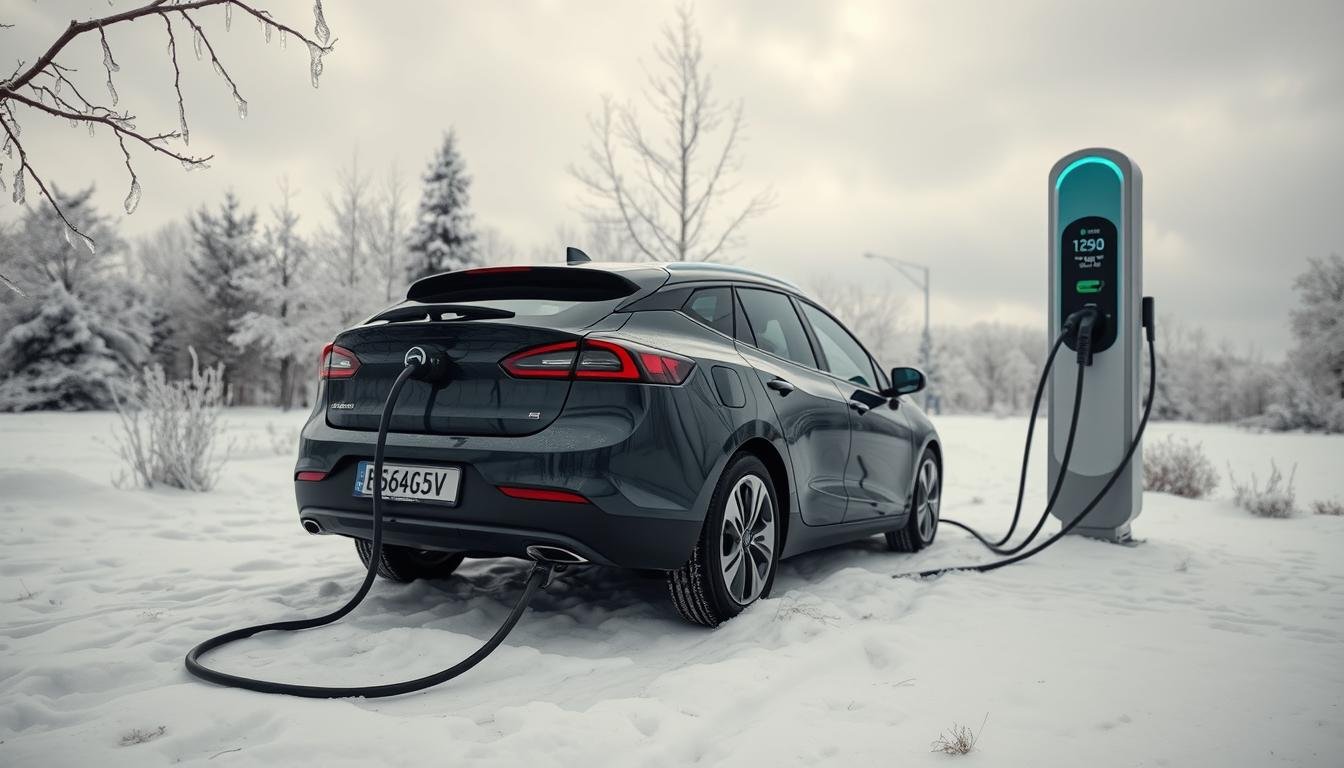
Did you know that in freezing conditions, some electric vehicles can lose up to 35% of their driving range? This startling figure highlights a core challenge for owners when the mercury plummets.
As an experienced analyst, I've seen how cold weather fundamentally alters a battery's behaviour. The chemical reactions inside slow down, which directly affects how quickly energy can be put in or taken out.
This guide provides a forward-looking technical analysis for the 2026 cold season, particularly relevant for drivers across the UK. I'll explain the precise mechanisms at play and offer practical strategies to help you maintain your vehicle's performance.
My aim is to equip you with the knowledge to confidently manage your battery throughout the harshest months.
Key Takeaways
- Extreme cold can significantly reduce an electric vehicle's overall range and efficiency.
- Battery chemistry slows in low temperatures, affecting energy transfer rates.
- Pre-conditioning your car whilst plugged in can improve charging performance.
- Understanding your battery management system is crucial for cold-weather operation.
- Planning your journeys and charging stops becomes more important during winter.
- Technological advancements are continuously improving cold-weather resilience.
- Simple owner habits can make a substantial difference to daily usability.
Understanding EV Charging Challenges in Cold Weather
Operating your automobile in sub-zero climates introduces a host of efficiency hurdles for its power pack. Recurrent data suggests some models can experience up to a 35% reduction in range under freezing conditions. The battery's ideal performance temperature is around 20°C, and efficiency dips below this threshold.
The impact of decreasing temperatures on charging efficiency
I have observed that cold weather significantly impacts charging efficiency. The battery struggles to accept energy at the same rate as in summer. This is because the internal chemical reactions slow down as temperatures fall.
| Temperature Range | Typical Range Impact | Charging Behaviour |
|---|---|---|
| Mild (Above 15°C) | Minimal | Optimal, fast energy transfer |
| Cool (0°C to 15°C) | Moderate reduction | Noticeably slower session times |
| Freezing (Below 0°C) | Substantial reduction | Significantly hampered; battery heating required |
Key issues faced by EV drivers in the UK during winter
Many drivers face unique challenges during the winter months. Plummeting temperatures force the vehicle to prioritise battery heating over range. This can lead to slower charging sessions at public infrastructure points.
Understanding these cold weather challenges is the first step for maintaining consistent vehicle reliability throughout the colder part of the year.
How Cold Weather Impacts Battery Performance
Lithium-ion cells, the heart of modern electric mobility, function best within a narrow thermal window. My analysis shows that when ambient conditions fall outside this window, the entire system's efficiency suffers. This is the core of how cold weather affects your vehicle's energy source.
Electrochemical Reaction Slowdown in Lithium-Ion Batteries
The ideal temperature for your battery is around 20°C. When the mercury dips below this, the essential electrochemical reactions inside become sluggish. I've learned this is primarily because the electrolyte fluid thickens, directly impeding ion movement.
This slowdown is a primary reason for reduced capacity. The performance of the entire pack is tied to the speed of these chemical processes.
Increased Internal Resistance and Its Consequences
This situation is compounded by a significant rise in internal resistance. Colder temperatures hinder the smooth flow of electrons during both energy intake and discharge.
You can think of this resistance as a form of electrical friction. It's a major reason why weather affects your battery so noticeably, often resulting in reduced power availability for acceleration.
EV charge speed drops winter UK: Technical Explanations
Many drivers notice their car takes longer to power up when the air turns crisp, and there's a solid technical basis for this. My research confirms that the process is inherently less efficient in low temperatures. To reach a full state of charge, the system must use more electrical energy compared to a warm summer day.
Why Cold Conditions Hinder Energy Transfer
These cold weather conditions lead to reduced energy transfer. The battery management system prioritises cell safety over charging rate. It must protect the pack from potential thermal stress.
When temperatures fall, power delivery is often throttled. This safeguards the long-term health of the energy storage unit. The vehicle must first warm the battery to a safe operational threshold before accepting a full current.
| Ambient Temperature | Typical Charging Efficiency | Primary System Action |
|---|---|---|
| Above 15°C | Near Optimal | Direct energy transfer |
| 0°C to 15°C | Moderately Reduced | Mild heating may be applied |
| Below 0°C | Significantly Reduced | Substantial battery warming required before full charging can begin |
By understanding these technical conditions, I can better plan my refuelling stops. This avoids the frustration of unexpectedly slow energy intake during the coldest parts of the year.
Preconditioning Your EV Battery for Winter Efficiency
The single most impactful habit for cold-weather driving is warming your car's battery while it's still connected to the mains. This process, known as preconditioning, directly tackles the core issue of sluggish electrochemical performance.
By initiating it via your vehicle's systems, you draw energy from the grid to heat the cells and the cabin. This preserves your stored capacity for the journey ahead. I always recommend this practice before any trip in the colder months.
Using in-car settings and mobile apps for battery preheating
Modern vehicles offer intuitive controls for this feature. You can typically activate preconditioning through the centre console or a dedicated smartphone application. Setting a daily schedule is a simple way to use technology proactively.
This ensures the battery reaches an optimal temperature before you depart. As one engineer noted,
"Shifting the thermal load to the grid is the smartest efficiency gain an owner can make in winter."
The result is a significant boost in overall efficiency. You avoid the high energy cost of a cold start, where the pack would otherwise have to heat itself using its own reserve. This straightforward step makes a substantial difference to daily usability and range consistency.
Optimising Charging Stations and Locations in Winter
Choosing where to plug in your vehicle during the colder months can significantly influence its daily readiness and efficiency. The physical placement of your energy point is a critical factor often overlooked.
I focus on selecting charging stations that offer protection from the elements. This simple choice helps maintain a more stable thermal environment for the energy pack.
Advantages of Sheltered or Garage Charging in the UK
Using a garage or covered spot for your automobile makes a tangible difference. It shields the machinery from the most severe cold weather conditions.
This protection helps the battery retain a healthier operating temperature. It reduces the strain on the internal heating systems overnight.
High-quality equipment is essential for reliability. For instance, CITA charging stations are rated IP65 and IK10. This means they are fully protected against dust and powerful water jets, ideal for damp British winter conditions.
Keeping your car in a garage also prevents snow and ice build-up. This makes it easier to pre-heat the cabin quickly in the morning.
Ultimately, managing ambient temperatures around your battery is a proactive step. It supports consistent performance throughout the entire season.
Advanced Thermal Management Systems in Modern EVs
Engineers are now integrating sophisticated climate control networks directly into the power units of latest-generation automobiles. These thermal management systems are vital for consistent performance. They actively regulate heat distribution to protect the core components.
Overview of battery thermal management systems
A car's thermal management system functions like a smart thermostat for its batteries. It uses coolant loops and sensors to maintain an ideal operating temperature. This process is crucial during the cold season.
The system prioritises keeping the batteries warm enough for efficient energy transfer. It can also cool them during rapid use. This dual role supports the vehicle's overall reliability.
Innovative advancements such as propane-assisted heat pumps
New technologies are pushing boundaries. ZF has created a propane-driven heat pump. This innovation can extend a vehicle's cold-weather range by up to one-third.
Separately, South 8 developed a liquefied gas electrolyte called LiGas. It enhances battery stability and widens its operational temperature range. These are significant steps for modern EVs.
I believe such thermal management systems will become standard. They will better utilise waste heat to optimise performance.
| Technology Type | Primary Mechanism | Key Benefit for Cold Operation | Potential Range Impact |
|---|---|---|---|
| Traditional Liquid Cooling | Circulates coolant via a radiator | Basic temperature regulation | Minimal direct improvement |
| Advanced Propane Heat Pump | Uses propane refrigerant for efficient heating | Recovers waste heat effectively | Can extend range by up to 33% |
| LiGas Electrolyte | Liquefied gas improves ion mobility | Enhances low-temperature stability | Improves consistent power delivery |
Regenerative Braking and Its Role in Cold Conditions
Regenerative braking, a key feature for extending range, behaves differently when temperatures plummet. This system recovers kinetic energy during deceleration, feeding it back to the power pack. In chilly conditions, its performance can drop noticeably.
Effects of reduced regenerative braking efficiency
I have observed that regenerative braking is often less effective when it's cold. The main reason is simple. A chilled battery cannot safely accept high-energy inputs.
The system proactively limits the amount of power it recovers. This is to protect the cells from potential stress. Consequently, you may feel the traditional friction brakes engage more often.
This cold weather affects your driving experience directly. You lose a portion of that valuable range-extending capability. Planning for this change is a smart habit for the season.
| Ambient Temperature | Regenerative Braking Efficiency | Primary System Action |
|---|---|---|
| Above 15°C | Optimal | Full energy recovery enabled |
| 0°C to 15°C | Reduced | Slower, limited energy acceptance |
| Below 0°C | Significantly Reduced | Strong limits to protect the battery |
Preconditioning your vehicle is the best countermeasure. By warming the battery while plugged in, you restore its ability to accept energy. This brings the full benefit of regenerative braking back into play for your journey.
Maintaining Battery Life in Sub-Zero Temperatures
Sustained bitter chill doesn't just affect daily range; it can subtly erode the fundamental capacity of your energy pack over time. I view this as a critical aspect of long-term ownership. Protecting your battery life requires specific habits during the coldest months.
Extremely low temperatures make the internal chemistry less stable. This instability can accelerate wear if the battery is frequently cold-soaked. Proper management, like scheduled preheating, is essential to counter this.
My strategy focuses on two simple rules. First, I keep my automobile plugged in whenever possible. This allows the system to maintain a safe temperature without draining its own reserve. Second, I avoid storing it with a very high or very low state of charge.
A moderate charge level, around 50-70%, seems to place less stress on the cells. This helps preserve battery health during intense cold weather periods.
By monitoring energy levels and pack temperature, I ensure consistent performance. This proactive care is the best way to safeguard your long-term battery life and vehicle reliability.
Expert Tips for Driving and Charging in Winter
A proactive approach to journey planning is your best defence against the seasonal drop in efficiency. Simple, consistent habits make a substantial difference to your daily experience and safety.
Strategies for optimal energy management while driving
I always monitor my tyre pressure closely. For every 10°C drop in temperature, pressure falls by 0.07-0.14 bars. This increases rolling resistance and hurts efficiency.
To preserve energy, I limit the use of the cabin heating. Heated seats and the steering wheel are far more economical. Engaging the car's eco-mode is another smart move.
This setting optimises power use across all onboard systems. It helps manage the unique challenges of cold weather driving.
Pre-trip planning and safe winter driving practices
My golden rule is to never let the charge level drop below 20% in colder months. This ensures the battery has sufficient energy to heat itself if needed.
I plot my charging stops in advance using reliable apps. This planning removes uncertainty and supports a safe journey.
These steps, combined with cautious driving on potentially icy roads, maximise both efficiency and peace of mind throughout the winter season.
Conclusion
The seasonal shift in your automobile's operational efficiency represents a manageable aspect of ownership, not an insurmountable obstacle.
I have summarised how the cold weather affect on your vehicle can be managed through straightforward owner practices. Pre-conditioning your battery and adopting intelligent charging routines are fundamental.
While the weather affect on your energy pack is genuine, it constitutes a temporary hurdle. With the appropriate technical knowledge, you can overcome it confidently.
Comprehending these seasonal challenges ensures your battery maintains its health. Your driving experience consequently remains smooth throughout the annual cycle.
This guide aims to furnish the confidence required for your energy replenishment needs, irrespective of how low the temperatures fall. As technological advancements progress, your automobile's performance in colder conditions will continue to enhance.