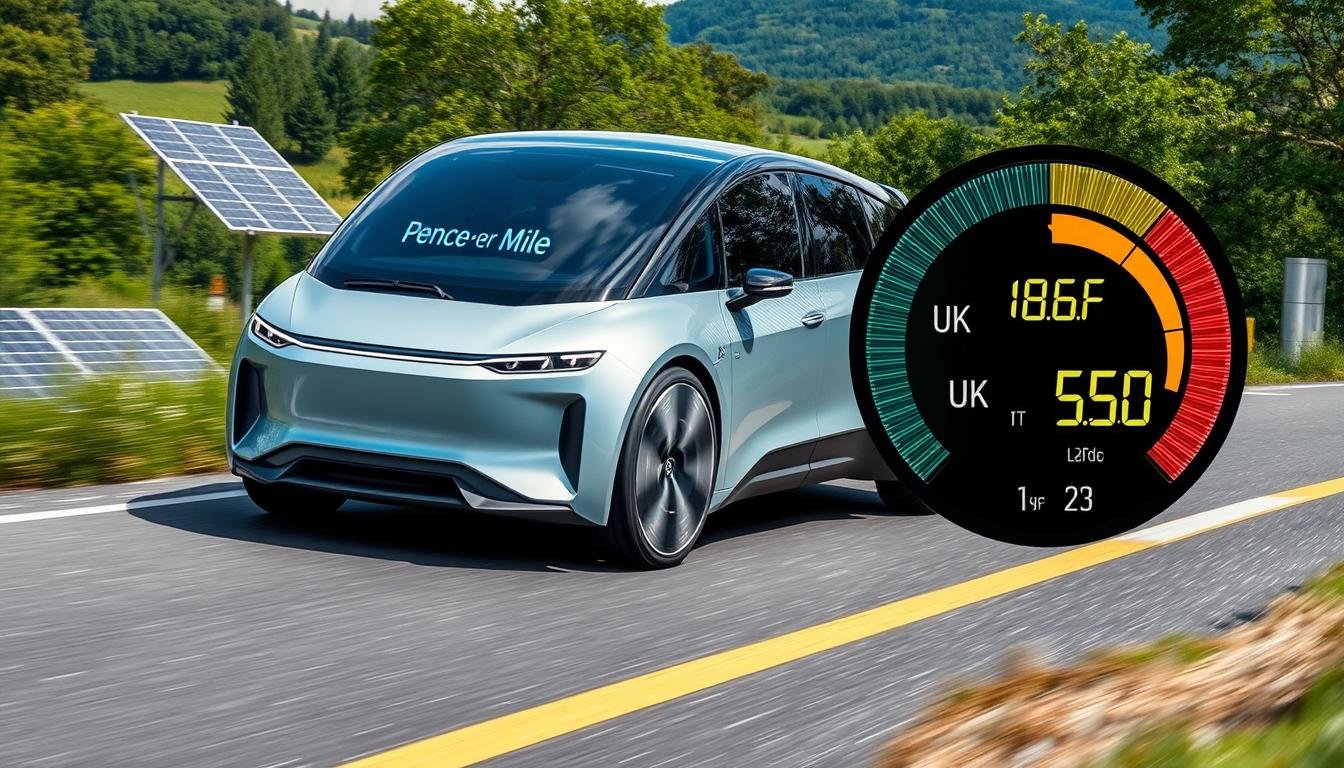
In a landmark move, the UK Government has confirmed a new pay-per-mile tax for zero-emission transport. From April 2028, owners of an electric car will pay a 3p per mile charge to use public roads.
This policy directly addresses a looming fiscal gap. Revenue from fuel duty is falling sharply as drivers switch to battery-powered vehicles. The Treasury must ensure all road users contribute fairly to maintenance costs.
For motorists, this represents a significant shift. The era of tax-free motoring for electric vehicles is coming to a deliberate end. Careful financial planning is now essential for anyone considering a new car.
Currently, petrol and diesel drivers pay about 5p per mile in duty. This provides a useful benchmark for comparing future road tax costs. Understanding these upcoming changes is key to managing your motoring budget effectively.
The transition to a distance-based charge marks a major evolution in how the government funds our road network. Every driver needs to be prepared for this new financial landscape.
Key Takeaways
- A new 3p per mile tax for electric cars will be introduced in April 2028.
- The policy is designed to replace declining revenues from traditional fuel duty.
- All road users will eventually contribute to maintenance through this distance-based system.
- Financial planning for the total cost of owning an electric vehicle is now more important than ever.
- Current fuel duty for petrol and diesel vehicles sits at approximately 5p per mile, offering a comparison point.
- The government's fiscal strategy is adapting to the structural change brought by electric transport.
- Prospective vehicle buyers should factor these tax changes into their long-term calculations.
Understanding the New EV Excise Duty Landscape
The Treasury's latest fiscal strategy introduces a fundamental shift in road taxation for battery-powered transport. This new framework moves away from taxing fuel and instead links a driver's contribution directly to distance travelled.
It represents a core change in how the government funds the road network. All motorists will eventually pay their share based on use.
Key Government Announcements and Timelines
In the November 2025 Budget, the Chancellor confirmed that electric car and plug-in hybrid owners will face a distance-based road tax. The official start date is April 2028.
The Office for Budget Responsibility forecasts this mile charge will raise £1.1bn in its first full year. Consultations on the administrative system are ongoing to ensure a smooth rollout.
Shifting from Fuel Duty to Pay-Per-Mile Charges
The policy directly addresses falling fuel duty income. The Treasury notes one in five drivers could pay nothing by 2030 without this change.
For comparison, petrol and diesel cars currently incur about 5p per mile in duty. The new rate for battery-electric vehicles is set at roughly half that level.
Plug-in hybrid models are included in the scheme because they also use electric power, avoiding traditional duty. Drivers will pay based on annual mileage verified during MOT tests.
| Vehicle Type | Current Charge (Approx.) | New Charge (From April 2028) | Annual Cost at 10,000 miles |
|---|---|---|---|
| Petrol / Diesel Car | 5p per mile (Fuel Duty) | Unchanged | £500 |
| Battery Electric Car | £0 (Vehicle Excise Duty) | 3p per mile | £300 |
| Plug-in Hybrid Car | £0 (on electric miles) | Included in new scheme* | To be confirmed |
*Exact rates for plug-in hybrids are pending final government consultation.
EV Pence Per Mile 2026: Calculations and Cost Estimations
The financial impact of the upcoming road tax changes hinges directly on one key variable: your annual mileage. Your final bill will be a product of simple multiplication, not complex formulas.
Average Annual Mileage and Its Impact on Costs
The current UK average is 7,400 miles per year. For an electric car owner, this translates to an estimated cost of £220 annually from April 2028.
The calculation is straightforward: multiply your yearly distance travelled by the 3p rate. This allows drivers to forecast their liability with ease.
Scenario Analysis: From 7,400 to 15,000 Miles per Year
Costs rise with use. A driver covering 10,000 miles will pay £300. Someone travelling 15,000 miles faces a £450 charge.
Owners of plug-in hybrid vehicles will pay a lower 1.5p per mile rate. At 8,000 miles, this means roughly £120 a year.
Even with this new tax, battery-powered electric vehicles retain a significant cost advantage. The government's forecaster notes the new rate is about half the fuel duty paid by petrol or diesel car drivers.
Implications for Electric and Plug-In Hybrid Drivers
Owners of battery-powered and plug-in hybrid cars face a nuanced financial landscape. The upcoming reforms introduce tiered charges that vary by vehicle type.
These tax changes also have a direct impact on popular company car and salary sacrifice arrangements. Understanding both elements is crucial for accurate budgeting.
Different Rates for Electric Cars and PHEVs
A pure battery-electric vehicle will be subject to a 3p distance-based charge. In contrast, a plug-in hybrid model will incur a lower rate of 1.5p.
This differential reflects the fact that hybrid cars still use petrol or diesel after their electric range is exhausted. The government's policy ensures all road users contribute, but acknowledges this continued fuel duty payment.
Effects on Salary Sacrifice Schemes and BiK Rates
The confirmed Benefit-in-Kind rate for an electric car is 4% for the 2026/27 tax year. This rate is scheduled to increase by one point each subsequent year, providing clear forward guidance.
Salary sacrifice schemes, such as The Electric Car Scheme, can save employees 20-50% on a new vehicle. The new road tax is an additional running cost outside this calculation.
It typically adds £18 to £25 to a driver's monthly outlay. However, the fundamental tax advantage of choosing a battery-powered car over a high-emission petrol or diesel alternative remains substantial.
Employers and drivers are protected with clear guidance from the start of a lease. The combination of low BiK rates and salary sacrifice savings continues to make the electric car a financially sound choice.
Government Policies and Industry Reactions
Industry reaction to the announced distance-based charge has been mixed, with strong criticism from key bodies. The policy environment remains a critical factor for prospective drivers.
SMMT Criticisms and the “Wrong Measure” Concerns
The Society of Motor Manufacturers and Traders publicly criticised the new tax. They described it as the "wrong measure" at the wrong time.
This sentiment was echoed by the Renewable Energy Association. They called the mile tax a "knee-jerk" move that could undermine environmental progress.
The government must balance raising cash for road investment without slowing the transition to electric cars.
InstaVolt's CEO noted the charge could hit rural and low-income drivers hardest. These groups often lack access to affordable home charging.
Budget Announcements and Market Forecasts
Despite the criticism, the government pledged £1.3bn to encourage electric vehicle use. The SMMT welcomed this investment while maintaining concerns about the tax.
Ford and the SMMT warned the Budget sent a confusing message on zero-emission transport. This mixed signalling creates uncertainty for consumers and manufacturers.
The Office for Budget Responsibility forecasts a significant market impact. They suggest approximately 440,000 fewer electric car sales over five years.
Industry bodies now urge closer collaboration. They want to co-design a fair, future-proof system for all road users.
Technological and Administrative Aspects of eVED
The practical rollout of the upcoming charge centres on accurate mileage recording and secure systems. Ensuring fairness and compliance requires a robust technological framework integrated with existing government services.
This new duty represents a significant administrative change for both authorities and motorists.
Mileage Recording Methods and DVLA Integration
Annual mileage will typically be recorded during a car's MOT test. For newer cars under three years old, a yearly check at a local garage may be mandated.
Payment will be integrated into the existing Vehicle Excise Duty system run by the DVLA. This avoids the need for a separate scheme.
The government has ruled out fitting black boxes to protect privacy. If a driver travels less than estimated, they could get a credit for the next year.
Exceeding the estimated distance means paying the difference later. This flexible approach aims for fairness.
Challenges and Preventative Measures Against Odometer Tampering
The Treasury acknowledges the new tax could increase 'clocking' risks. Odometer tampering would undermine the road charge's integrity.
Mitigation strategies are a focus of ongoing consultation. The DVLA will manage a central database of vehicle mileage to ensure accuracy.
Preventing fraud is essential for the excise duty's success. The administrative burden of these checks is being carefully assessed.
Broader Impact on UK EV Adoption and Consumer Decision-Making
The future trajectory of electric car adoption in the UK will be shaped by a complex mix of policy, perception, and running costs. Government mandates require a third of new sales to be zero-emission in 2026.
Yet, financial perception is a powerful force. Some motorists now question the value proposition.
This new tax makes owning an electric car feel like it "doesn't make financial sense."
To counter this, the government is considering cutting VAT on public charging from 20% to 5%. This is crucial as public points can cost around 54p per kWh, versus 8p at home.
Meanwhile, the RAC notes a fuel duty freeze offers short-lived relief for petrol and diesel drivers. A new "Fuel Finder" tool launching in early 2026 will help them shop for the best price.
Comparative Cost Benefits with Combustion Engine Vehicles
Despite the new road tax, battery-powered vehicles retain a significant running cost advantage. Lower energy costs, especially with a home tariff, are a key factor.
Reduced maintenance requirements also contribute to long-term savings. When evaluating a new car, prospective drivers must weigh the total cost of ownership.
This includes the new duty, energy tariffs, and future Benefit-in-Kind rates. The government's ability to communicate this continued advantage is vital for maintaining consumer demand.
Conclusion
The UK's road funding model is undergoing its most significant transformation in decades. The introduction of a distance-based tax at 3p per mile in April 2028 will replace the traditional fuel duty system for electric vehicles.
This change means drivers must account for a new annual cost based on their mileage. However, electric cars retain a substantial running cost advantage over petrol and diesel cars.
Staying updated with Treasury consultations is crucial for effective budgeting each year. The government's commitment to expanding charging infrastructure supports the transition.
Understanding your specific mileage allows for informed vehicle choices. The long-term environmental and economic benefits of zero-emission transport remain clear for all drivers.
FAQ
What is the new road tax system for electric cars coming in 2026?
From 2026, a new vehicle excise duty system for electric and plug-in hybrid vehicles begins. It introduces a mile charge, meaning drivers pay a fee for each mile driven, replacing the benefit of paying no fuel duty. This is part of a shift to ensure all motorists contribute to road upkeep.
How much will I pay per mile under the new scheme?
The proposed rate for a zero-emission car is 1.5 per mile. For a plug-in hybrid vehicle, the rate will be lower. Your total annual cost will depend directly on your mileage, making it a pay-per-mile system.
When will these tax changes officially start?
The new excise duty rules for electric vehicles are scheduled to start in April 2028. However, the policy and preparatory changes, including how mileage is recorded, are being developed from 2026 onwards.
How will the government track my mileage for the charge?
Mileage recording methods are under consultation. Likely options include annual self-declaration at MOT, using telematics data, or odometer readings submitted to the DVLA. The aim is a simple, fraud-resistant system.
Will my plug-in hybrid car be taxed the same as a pure electric vehicle?
No. The government has stated that plug-in hybrid cars will be subject to a lower per mile rate than pure electric cars. This reflects their different use patterns and potential to use petrol.
Are industry groups supportive of this new tax?
Major bodies like the SMMT have criticised the plan, calling it the wrong measure at the wrong time. They argue it could disincentivise buyers and slow the transition to cleaner vehicles.
Will I still save money compared to driving a petrol or diesel car?
For most drivers, yes. Even with the new mile tax, the running costs for an electric vehicle are forecast to remain lower than for petrol diesel cars, due to cheaper energy and maintenance. The comparative cost benefit is still significant.
How will this affect my company car or salary sacrifice scheme?
The new charge will be an additional running cost for all electric cars, including company vehicles. It may influence BiK rates and the overall financial calculation of salary sacrifice schemes, but the fundamental tax advantages remain.