Over 1.5 million electric vehicles now travel UK roads. This move away from fossil-fuel cars helps create a cleaner environment. Yet, the simple act of charging your car can be surprisingly complex.
I frequently find new drivers puzzled by public charging payments. It feels far removed from the familiar routine of topping up a petrol tank. My aim is to clarify this modern dilemma.
This guide will help you navigate the different payment options. Understanding them is crucial as the number of electric cars grows. Making the right choice can lead to significant savings on each charge.
I will detail the various methods available for your car. You will learn about using a physical card or a smartphone app. This knowledge is vital for a smooth and cost-effective driving experience.
Key Takeaways
- The UK's public charging network operates several different payment systems.
- Payment methods generally fall into two main categories: tap-to-pay and dedicated applications.
- Your selected payment method can directly influence the final cost per charging session.
- Some networks offer membership schemes that provide reduced pricing.
- Spontaneous charging sessions often carry a different rate to planned ones.
- Understanding the pricing structures is key to avoiding unexpected fees.
- Always check for compatibility with your vehicle before you travel.
Understanding UK EV Charging Payment Methods
Britain's charging infrastructure is growing, but its payment systems remain a patchwork of different methods. I often see drivers confused by the variety of ways to pay for power. Getting to grips with this is essential for a smooth journey.
EV Charging Landscape in the UK
The network of places to charge your vehicle is expanding fast. There are now over 16,000 charging locations across the country. These sites offer more than 26,000 individual charging points.
Adoption of electric cars is accelerating rapidly. A report from Tusker showed a dramatic shift. In 2021, 73% of its salary sacrifice vehicles were electric, up from just 13% in 2019.
Importance of Payment Flexibility
Not every charging station accepts the same payment way. This makes having flexible options crucial. You might need a different method depending on the provider.
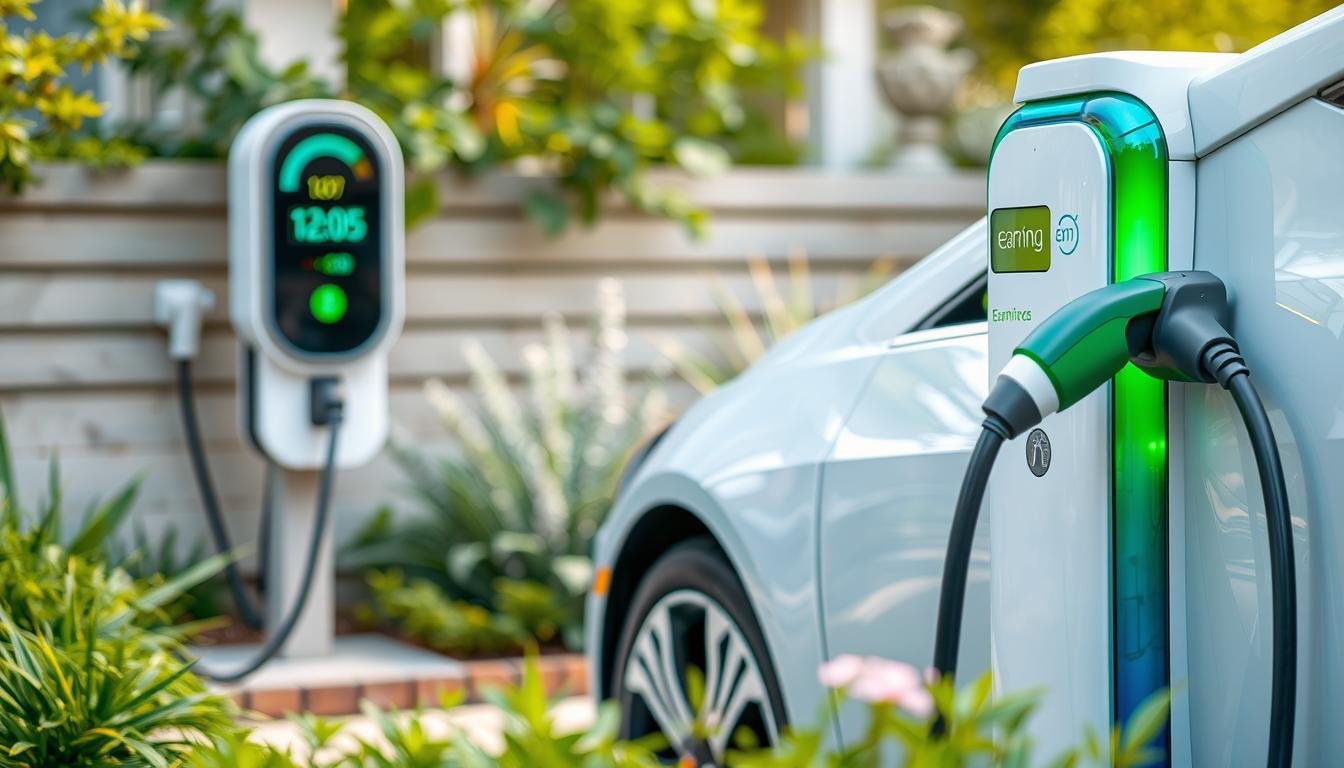
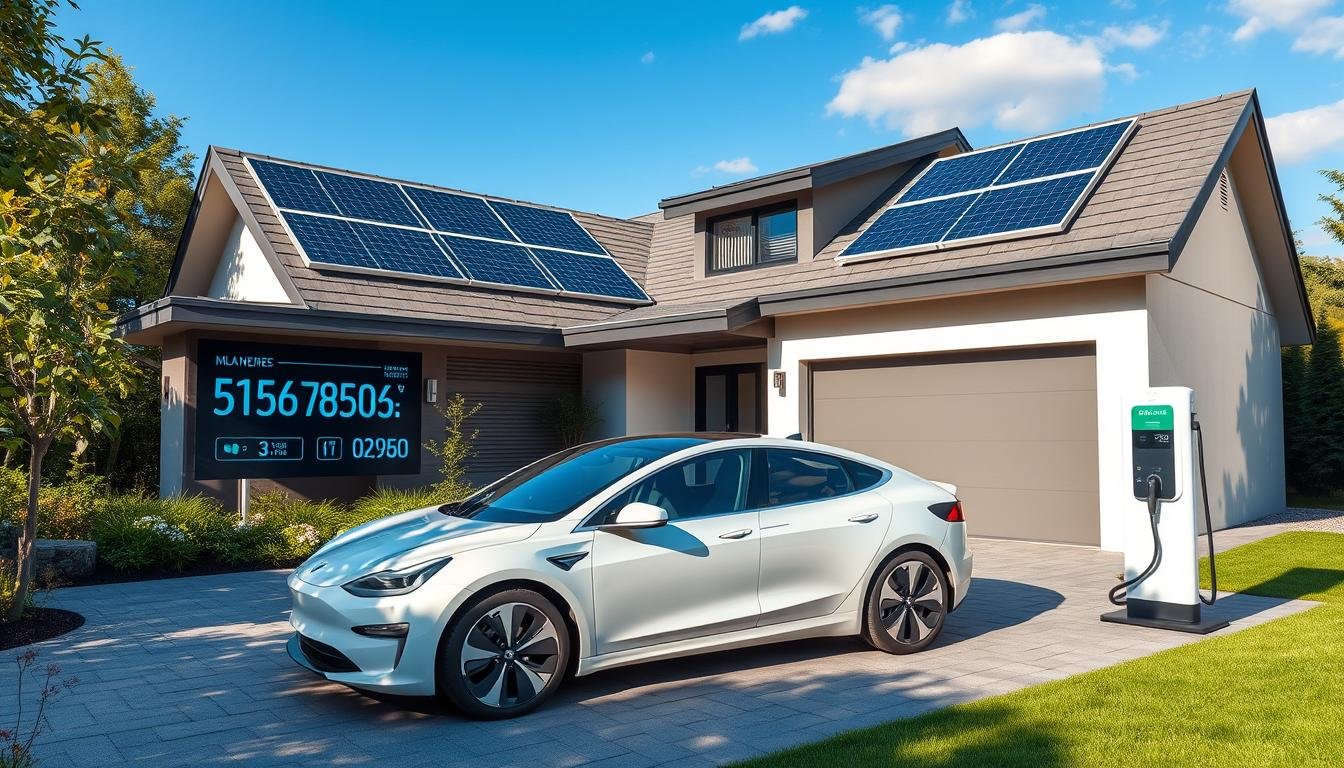
Charging at home is often the most convenient and cost-effective choice. You can usually access lower electricity rates during off-peak times. This is a simple way to reduce your overall running costs.
Many dedicated applications help drivers locate available points. They also provide real-time information on your battery range. I recommend keeping several payment options ready in your car.
This ensures you can always access the energy you need, wherever you travel.
Benefits of Using App Payment for EV Charging
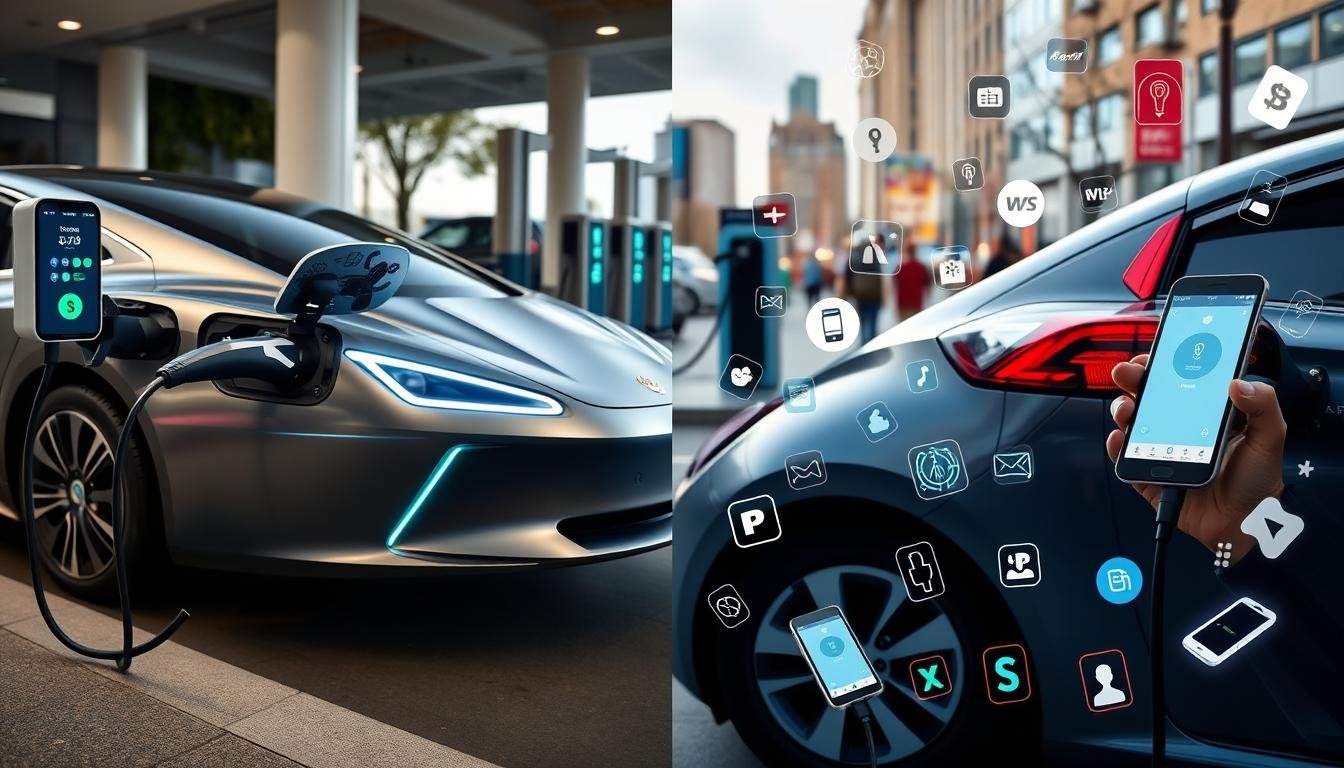
Smartphone apps have transformed the experience of topping up your battery at public stations. They put control in your hands and can offer better value. I find this method streamlines the entire process from finding a spot to settling the bill.
How App Payment Works
You start by downloading your chosen provider's application. After a quick registration, you add a payment card to your account. When you need to charge, the app shows nearby stations with real-time availability.
To begin a session, you often scan a QR code on the unit. The app handles the authentication and starts the flow of energy. Your card is charged automatically when you finish.
Zest App Features and Advantages
Zest operates over 1,300 charging locations across the country. Their application provides live status updates, which is great for planning. A standout feature for business users is the instant VAT receipt.
Other services, like Octopus Electroverse, offer access to a vast global network. Their platform integrates over a million chargers under one account. This eliminates the need for multiple logins and cards.
| Provider | Network Size | Key Feature | Receipts |
|---|---|---|---|
| Zest | 1,300+ UK locations | Real-time station status | Instant VAT |
| Octopus Electroverse | 1,000,000+ worldwide points | Single account access | Detailed billing |
| Typical Network App | Variable | Route planning & cost tracking | Session history |
Using these tools, you can track your energy use and total cost per kwh. This clarity helps manage your vehicle's running costs effectively.
Understanding Contactless Payment for EV Charging
Modern charging stations increasingly feature a familiar symbol: the contactless payment icon. This tap-and-go method lets you start a session without any prior setup. I find it a useful option when I'm away from my regular network.
How Contactless Payment Works
You simply hold your card or phone near the reader on the unit. The system checks for available funds by placing a temporary hold on your account. This is typically between £30 and £50. Once confirmed, the flow of energy to your vehicle begins.
There's no need to download software or create an account. This makes it perfect for spontaneous top-ups. You can use any card with the contactless symbol or a digital wallet.
Navigating Pre-authorisation Holds
The pre-authorisation is not a real charge. It's a reserve to guarantee you can cover the session's cost. The amount is released back to your account within a few working days.
While convenient, the price per kwh can be higher than member rates. Always check the screen for the current rates before you tap. This method gives you quick access to power for your battery when you need it most.
contactless vs app EV payment UK cheaper: An In-Depth Comparison
The real value of different payment methods becomes clear when you examine long-term costs. I find that the choice you make at the charging point influences both your convenience and your budget. This analysis looks beyond the initial tap or click.
It explores how each option affects your spending over months and years. Understanding this can lead to substantial savings on your vehicle's running expenses.
Cost Efficiency and Convenience
Using a dedicated application often unlocks member rates that are lower than standard prices. Many networks offer a monthly subscription for even better value per kwh. This model rewards regular users.
For a typical electric car with a 60kWh battery, a charge from 20% to 80% needs about 36kWh of energy. At a lower member rate, the cost of this session is significantly reduced. The convenience of starting a session from your phone is a major bonus.
You can also track your usage and manage costs within the software.
Real-World Examples and Savings
Comparing the expense of powering your battery to fuelling a petrol car reveals clear advantages. The energy cost for that 36kWh top-up is a fraction of the price for an equivalent petrol fill.
Consider these practical points:
- Checking for the best rates on your app before you travel can lower your charging costs.
- Subscription models from larger networks provide consistent savings across many stations.
- Rapid charging equipment has higher maintenance costs, which can affect the price you pay for quick access.
By reviewing your charging history in the app, you see exactly how much energy you use. This visibility helps you save money over time. It turns a simple payment choice into a smart financial habit.
Expanding Your EV Payment Options with RFID and Fleet Cards
For drivers seeking a straightforward alternative to digital methods, RFID cards present a tangible solution. These dedicated physical cards unlock a different way to access power for your vehicle. They are especially useful when you want to avoid relying on a smartphone.
Overview of RFID and Fleet Payment Methods
An RFID card communicates directly with the charging station with a simple tap. It eliminates the need to juggle multiple bank cards or applications. This provides a reliable and dedicated way to pay for your charge.
I find fleet cards are excellent for business drivers. They consolidate billing across many sessions into one detailed report. This simplifies managing monthly expenses and tracking energy use.
Roaming services expand your reach across different networks. For example, Zap-Pay is a cross-network platform covering nine providers like Osprey and ESB Energy. A subscription to such a service can save time and money on the road.
| Provider/Service | Type | Key Benefit | Network Coverage |
|---|---|---|---|
| Zap-Pay | Cross-network platform | Single card for multiple networks | 9 UK networks |
| Typical Fleet Card | Business solution | Consolidated billing & VAT reports | Often nationwide |
| Network RFID Card | Provider-specific card | Simple tap-to-charge access | Single network |
The required reader equipment is now standard at most new charging stations. This ensures your card will work at a wide number of locations. Having this option gives you more flexibility for your next journey.
Conclusion
With the right knowledge, powering your car can be simple, predictable, and cost-effective. Your choice of method often comes down to personal habit, but for regular charging, I find a dedicated app offers the best long-term control over your costs.
Always keep a backup payment method in your vehicle. A physical RFID card or a bank card ensures you are never stranded without power, no matter which stations you find.
The most prepared drivers plan their route. They use their apps to locate points and check rates before they travel, which helps manage their battery and budget.
Electric vehicles represent a cleaner way to travel. Understanding these options makes moving away from petrol much smoother. The flexibility available today means refuelling your car is becoming as straightforward as any other daily task.