Did you know that powering up an electric vehicle's 60kWh battery can cost £15 on a standard tariff, but just £4.50 if you time it correctly? That's a potential reduction of over two-thirds on your bill.
This dramatic difference hinges on when you choose to refuel your car. Electricity costs fluctuate throughout the day based on national demand.
Data from National Grid shows wind generation often peaks overnight. This makes late-evening refuelling a greener choice for environmentally conscious owners.
Financial support is available too. The government's Electric Vehicle Chargepoint Grant offers up to £350 for eligible flat and rental property residents until 31 March 2026.
Furthermore, schemes like The Electric Car Scheme allow employees to save 20-50% on all their refuelling costs through salary sacrifice.
I have created this comprehensive guide to help you navigate this complex landscape. My goal is to help you maximise your potential and make informed decisions.
Key Takeaways
- Timing your vehicle's refuelling sessions can cut costs by over two-thirds compared to standard rates.
- The government offers a Chargepoint Grant of up to £350 for eligible homeowners and tenants until March 2026.
- Employees can utilise salary sacrifice schemes to save 20-50% on all refuelling expenses.
- Overnight power use often supports greener energy from wind sources, reducing your carbon footprint.
- Understanding dynamic energy tariffs is becoming essential for every modern motorist.
- This guide provides a comprehensive overview of home and public network strategies.
- Shifting consumption to low-demand periods maximises financial and environmental benefits.
Understanding Peak and Off-Peak Electricity Pricing in the UK
In the UK, the price you pay for each unit of electricity can shift dramatically from one half-hour to the next. I have observed that these variations are driven by the fundamental balance of supply and demand across the national grid.
This directly influences what appears on your household energy bill.
How Tariffs Vary Throughout the Day
Most homes are on a standard variable tariff. Here, the unit cost stays flat all day, regardless of when you use power.
Alternatively, time-of-use plans offer cheaper off-peak hours, typically overnight. A common example is the Economy 7 tariff, which provides seven hours of lower rates.
From 22 September 2025, a major change arrives. Ofgem's Market-wide Half-Hourly Settlement will let suppliers bill based on actual half-hourly usage.
This paves the way for more dynamic smart tariffs. Providers like Octopus Agile already set new prices change every 30 minutes, reflecting wholesale market costs.
Impact on Household Energy Bills
When do prices change for the worse? Peak demand typically hits between 4 pm and 7 pm on weekdays.
This is when many households cook, heat homes, and run appliances. Electricity is most expensive during this window.
By selecting a plan that rewards off-peak use, you can avoid these high-cost periods. Your total energy costs can be significantly minimised with the right choice.
Exploring EV peak pricing savings charge after 8pm UK
The secret to lowering your transport energy bill lies in when you choose to connect to the grid. I have found that refuelling your car during designated quieter periods is a critical strategy for reducing running costs.
The Importance of Evening Refuelling
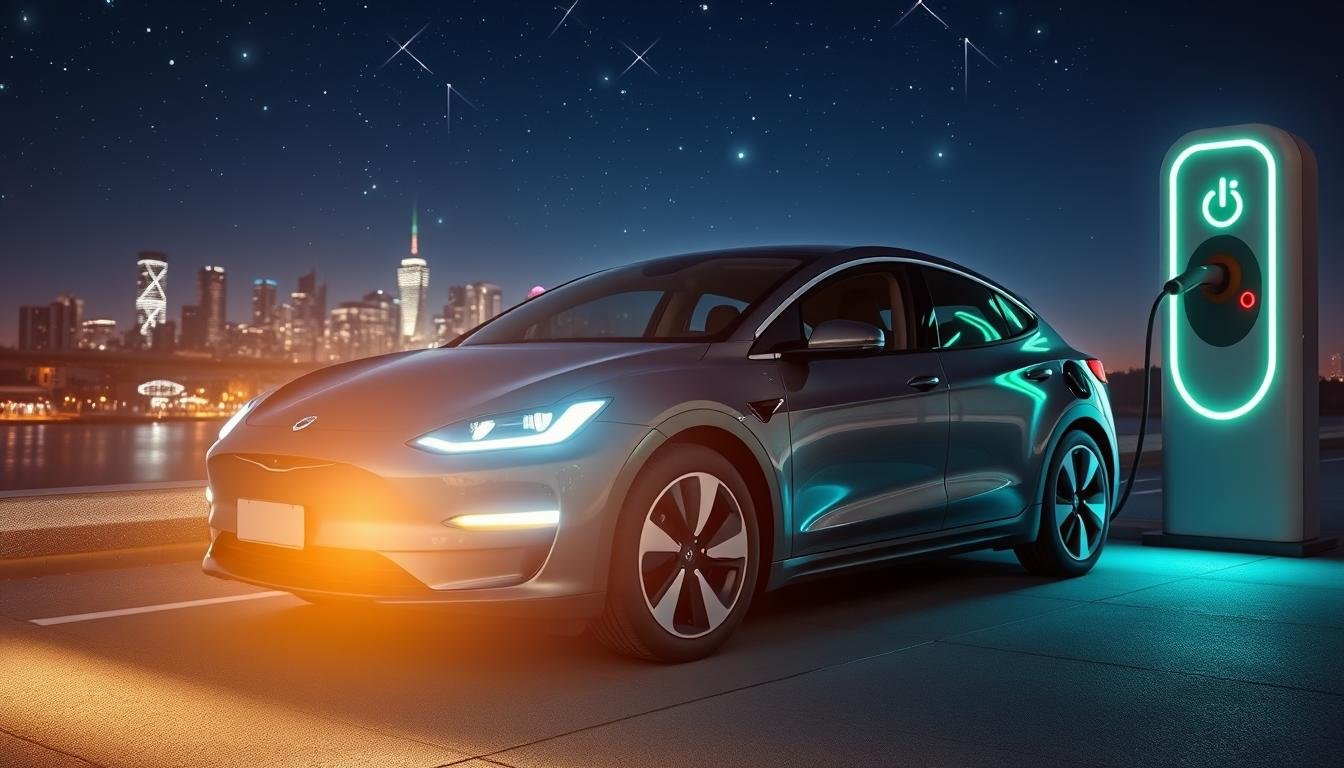
National demand for power falls significantly in the late evening. This is when many people are asleep and fewer appliances are running.
Energy suppliers can therefore offer much lower rates. Starting your session after 8pm aligns with these cheaper off-peak rates.
It turns a necessary task into a financially smart habit.
Real Savings Examples from UK Tariffs
Major suppliers in the UK have created specific plans for this purpose. Their tariffs offer dramatically lower pence per kwh overnight.
The table below shows how these tariffs compare for home refuelling.
| Supplier | Plan Name | Cheaper Hours | Cost per kWh |
|---|---|---|---|
| British Gas | Electric Drivers Energy Plan | 12am - 5am | 7.9p |
| EON.Next | EV Tariff | 12am - 7am | 6.7p |
| Scottish Power | EV Saver | Midnight - 5am | 7.2p |
| EDF | GoElectric | 12am - 5am | Cheap overnight rate |
| OVO | Charge Anytime | Any time | 7p |
As you can see, the cost per unit is a fraction of standard daytime prices. Choosing the right plan makes a real difference to your monthly budget.
Benefits of Off-Peak Charging for Your EV at Home
Refuelling your car at home during the quietest part of the night transforms a routine expense into a strategic financial advantage. The core benefit is simple: you pay far less for the same amount of power. This is the essence of smart off-peak charging.
Cost Savings Breakdown
To save money, your refuelling session must fit within your tariff's cheaper window. Different models need different amounts of electricity. Here’s what a typical top-up requires:
- A Nissan Leaf with a 40kWh battery needs about 24 kwh for a 20-80% charge. This takes roughly 3.4 hours.
- A Tesla Model 3 (60kWh) requires 36 kwh, needing a 5.1-hour window.
- A Hyundai Ioniq 5 (77kWh) uses 46 kwh, taking 6.6 hours. A full 7-hour window is ideal here.
Matching this time need to your plan's off-peak hours is crucial. A standard flat-rate tariff makes charging cost the same all day. A time-of-use plan offers much lower rates overnight.
Shifting this and other high-energy tasks to midnight can slash your home costs. I have seen households save over £1,000 a year. The grid benefits from balanced demand. You benefit from a lower cost per unit.
Ultimately, home refuelling is the most convenient method. Its value is maximised when paired with the right plan for your vehicle and lifestyle.
Navigating UK EV Tariffs and Dedicated EV Plans
The landscape of time-of-use energy tariffs in Britain offers distinct choices tailored to different refuelling habits. You can select a dedicated plan for your vehicle or a whole-home tariff that manages all your electricity use.
This variety means careful comparison is essential to secure the best value.
Comparing Tariff Options
I have found that Octopus Intelligent Go is a top-tier option. It provides a six-hour window for charging, from 11:30pm to 5:30am, at just 7p per kwh.
This longer period is ideal for larger batteries. For a shorter off-peak hours block, Octopus Go offers four hours from 12:30am at 10p per kwh.
Alternatively, providers like 100Green offer whole-home time-of-use tariffs, such as Tide and Tide Smart. These are not solely for vehicle owners and can help manage overall home demand.
Regional Differences in Availability
Where you live in the UK influences the rates and plans you can access. London and the Southeast typically have the most competitive prices.
Some providers there offer overnight tariffs below 6p per unit. In Scotland, you will find regional suppliers with a renewable focus.
Their lower night rates often align with wind generation peaks on the national grid. This helps reduce your carbon footprint while you charge.
Always compare these options based on your specific location and nightly charging needs. Matching your vehicle's requirements to the right tariff window is the key to maximising value every day.
Smart Home Charging and Scheduling Techniques
Automated scheduling turns your home into a personal refuelling station that operates at the most economical times. I find this removes guesswork and maximises value from your energy plan.
Utilising Automated Smart Chargers
Devices like the Ohme Home Pro communicate directly with your supplier. They automatically find the cheapest charging slots within your tariff.
This intelligent time management ensures your vehicle is ready each day. You benefit from lower rates without manual intervention.
| Smart Charger Model | Key Feature | Tariff Integration | Max Power |
|---|---|---|---|
| Ohme Home Pro | Dynamic slot finding | Octopus, OVO, British Gas | 7.4 kW |
| myenergi Zappi | Solar blending mode | Various time-of-use plans | 7.0 kW |
| Wallbox Pulsar Plus | App power scheduling | Works with most suppliers | 7.4 kW |
Integrating Solar Panels and Battery Systems
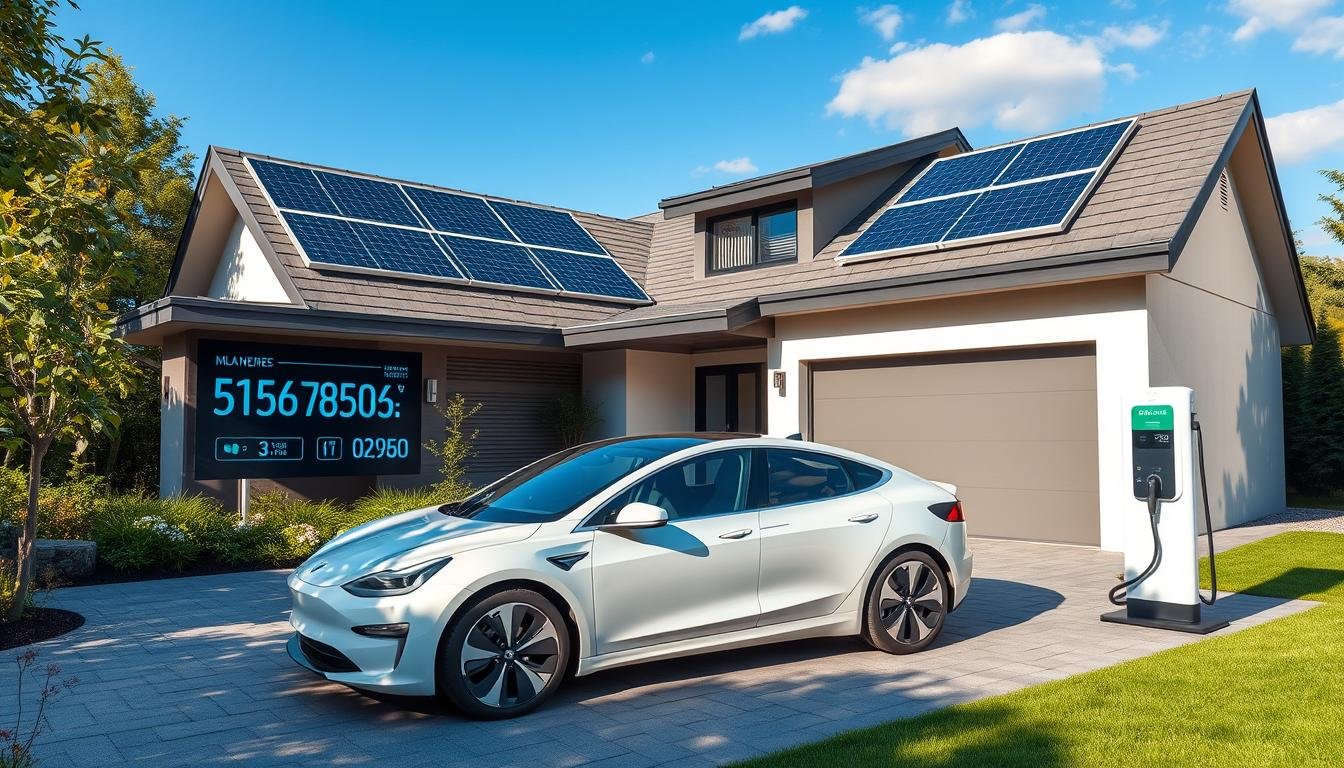
Adding solar panels and a storage battery creates a powerful system. The EcoFlow STREAM Ultra X offers 3.84 kwh of storage, expandable to 23 kwh.
You can store energy during sunny hours for use in the evening. This reduces your home's demand on the national grid during peak electricity periods.
Use the companion app to set tariff-aware schedules. It ensures your battery fills during off-peak hours for maximum economy.
Public Charging Networks and Location-Based Strategies
When you're away from home, the cost of refuelling your car can vary dramatically depending on where you plug in. I have found that public rapid charging can cost around 50p per kwh. This is significantly higher than the 7p per unit available on off-peak home tariffs.
Time-of-Use Pricing at Public Stations
Some public networks offer lower rates between 8 pm and 7 am at most locations. This provides savings of approximately 10-15% for those who can plan their charging times. These off-peak rates help reduce your overall energy costs.
Workplace chargers are typically most cost-effective during standard working hours. Your company may offer discounted charging as a valuable employee benefit. This can be a great way to top up during the day.
Shopping centres often provide free or discounted charging during business hours. This makes daytime charging a more economical option for many owners. It turns a necessary errand into a chance to save.
On-street residential chargers generally offer better rates overnight. They mirror the pricing structures found in many home-based time-of-use electricity tariffs. Using these during quiet periods balances demand on the local grid.
As a driver, having a few strategic locations in mind helps combat price changes. It also helps manage your charging times throughout the day. Planning where you plug in is just as important as when.
Understanding Tesla Supercharger Time-Based Pricing
Location and timing are the two biggest factors that determine your bill at a Tesla rapid charging point. I find their system uses dynamic prices that respond to local demand and the time of connection. This is different from fixed home tariffs.
Peak vs Off-Peak Rates
The most expensive periods are usually between 4 pm and 8 pm each day. During this peak window, you might pay around 67p per kwh. Using the same station late at night often drops the cost to about 54p per unit.
Planning your journey around these hours can make a noticeable difference. It turns a necessary stop into a more economical one.
Location-Specific Pricing Insights
Where you plug in matters significantly. Urban Superchargers in central London typically cost 15-20% more than those in the countryside. In major cities like Manchester or Edinburgh, off-peak rates can be as low as 33-40p per kwh.
Rural locations generally offer the best value. Their costs are often between 30-38p per unit during quieter times.
I always check the Tesla app or my car's screen before I arrive. It shows the real-time rates and charging times for that specific station. This simple habit helps you avoid surprise prices and plan smarter.
Financial and Environmental Impact of Charging Off-Peak
Making a simple change to when you power up your car can benefit both your wallet and the planet. I find this dual advantage makes off-peak refuelling a compelling choice for modern motorists.
Annual Savings Estimations
I have calculated the numbers for a typical driver covering 10,000 miles each year. The difference in costs between methods is striking.
| Refuelling Method | Cost per kWh | Annual Cost |
|---|---|---|
| Off-Peak Home Tariff | 7p | £200 |
| Standard Home Tariff | 25p | £714 |
| Public Rapid Charging | ~50p | £1,429 |
Switching to a low overnight tariff can save you approximately £514 annually. This is a significant amount of money to keep in your pocket.
Public network use costs over £1,400 for the same mileage. That is £715 more than a home off-peak plan.
The environmental impact is equally important. Our national grid uses more wind and nuclear energy during quiet periods.
Refuelling your electric vehicle late at night is therefore cleaner than daytime sessions. You reduce your carbon footprint with no extra effort.
Tools like the National Grid's Carbon Intensity API can help. They show the greenest time to connect, making your charging habits more sustainable.
Shifting your demand supports grid balance. It also maximises the use of renewable energy. This smart off-peak charging strategy offers clear financial and ecological wins.
Practical Guide: Steps to Maximise Your Savings
Maximising your financial advantage from off-peak electricity requires a few straightforward steps. I advise you to first check your current tariff. Switching from a standard plan can save you hundreds of pounds every year.
Using Smart Scheduling Features
You must request a smart meter from your supplier. This is a free and essential requirement for all time-of-use tariffs for an electric vehicle.
Next, use your car's built-in scheduler. Set your preferred departure time. The vehicle will then handle the charging process during the cheapest hours.
For more automation, consider a smart charger. Models like the Hypervolt Home 3 Pro or Wallbox Pulsar Max offer advanced scheduling. They help you hit the low-cost window every night.
British Gas customers have a specific opportunity. The PeakSave Sundays programme offers half-price electricity between 11am and 4pm for enrolled users.
Manual Timing Techniques
If your charger lacks smart features, a simple plug-in timer socket is a great workaround. It costs about £10 and lets you control your charging times precisely.
This manual method is a cost-effective way to manage your energy use. It ensures you only power up during cheaper periods, helping you save money.
By following these steps, you can ensure consistent off-peak charging. This strategy directly lowers your costs and takes advantage of better rates.
Conclusion
Embracing a smarter refuelling routine can unlock significant financial and environmental benefits for any motorist. I have shown that timing your sessions correctly can lead to substantial reductions in your household energy bills.
By aligning your use with a time-of-use tariff and employing smart scheduling, you can slash your running costs by 50-70% compared to standard methods. The crucial step is to move high-energy tasks into the designated off-peak hours, whether you are with British Gas or another supplier.
Remember, powering your battery overnight offers a dual advantage: it saves you money and supports a greener national grid. With technologies like smart chargers and solar panels, you can enhance your home's efficiency today.
I encourage you to compare available tariffs and take command of your charging times. Start maximising your potential this very evening.