The number of public electric vehicle charging points in Scotland has increased by over 50% in the past two years, transforming travel in the north. This growth gave me the confidence to embark on my own journey from the gateway to the region.
I started my adventure in the capital of the north, a central hub for drivers of modern vehicles. My planning began here, as I knew consistent access to reliable power was essential for exploring the vast, beautiful landscapes ahead.
The major routes leading north, like the A9 and the famous coastal circuit, make this city a primary spot for recharging. Its centre offers a dependable mix of fast and rapid options, which was my first crucial stop.
Mapping my route carefully was the key to a smooth experience. I prioritised finding the right type of charger to minimise my waiting time and maximise my enjoyment of the scenery. This preparation ensured my car had the necessary range for each leg of the journey.
Key Takeaways
- Scotland's electric vehicle infrastructure has expanded significantly, supporting more journeys into the northern regions.
- Thorough planning is essential to ensure reliable access to power throughout your travels.
- The city centre serves as a critical hub with a variety of charging solutions before heading north.
- Selecting the correct charger type can greatly reduce your stationary time during the trip.
- Analysing your intended route in advance helps guarantee your vehicle maintains sufficient range.
- Modern chargers are becoming more widespread, making longer adventures in an electric car increasingly practical.
Introduction to My Highlands EV Journey
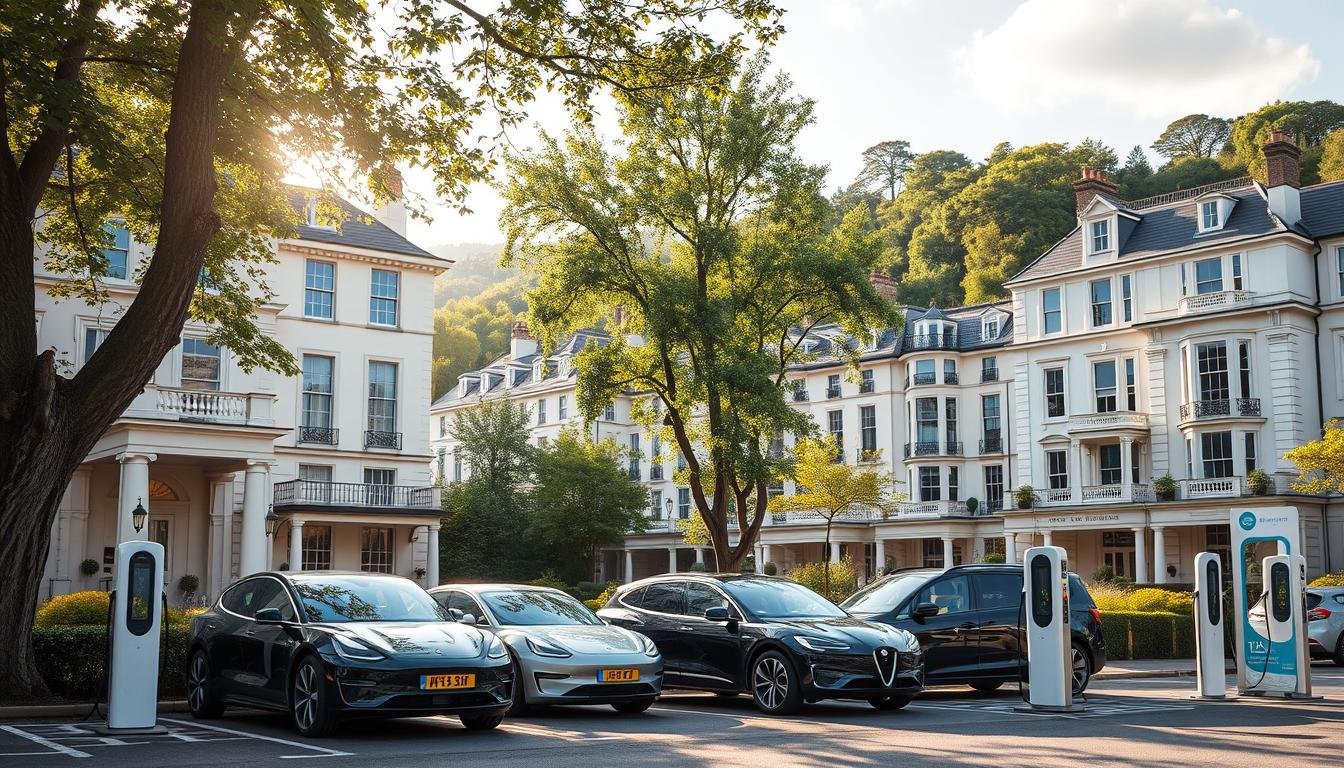
The convenience of powering up overnight at my hotel set a positive tone for the entire expedition ahead. I began my travels by staying at the Inverness Palace Hotel & Spa, which offered six dedicated 22 kW points for guest use.
Using the Project EV App made starting the process instant. This was a real advantage after a long drive. The hotel's car park had 22 free spaces, though finding one required a bit of timing.
I quickly learned that understanding the type of unit available was crucial. It directly dictated the time I'd spend waiting for a full battery. Seeing many other vehicles using the same chargers was a clear sign of this travel method's growing appeal.
My route was mapped to guarantee my car had the necessary range for the next stop. Having a facility at the accommodation saved me significant time in a busy schedule. The variety of cars in the park showed a wonderfully diverse community.
Fortunately, my vehicle's connection was compatible with most charger models I encountered later. This initial setup proved that with a little planning, a long journey in an electric car is now a very practical endeavour.
Setting the Scene in the Scottish Highlands
My journey into the Scottish Highlands was driven by a lifelong fascination with its untamed beauty and a desire to explore it responsibly. This breathtaking region depends on sustainable practices to preserve its natural splendour. I was encouraged to see many local businesses integrating renewable energy into their networks, supporting greener travel.
The area is rapidly becoming one of Europe's most welcoming destinations for modern, electric motoring. This evolution made my adventure both practical and deeply rewarding.
My Personal Connection with the Highlands
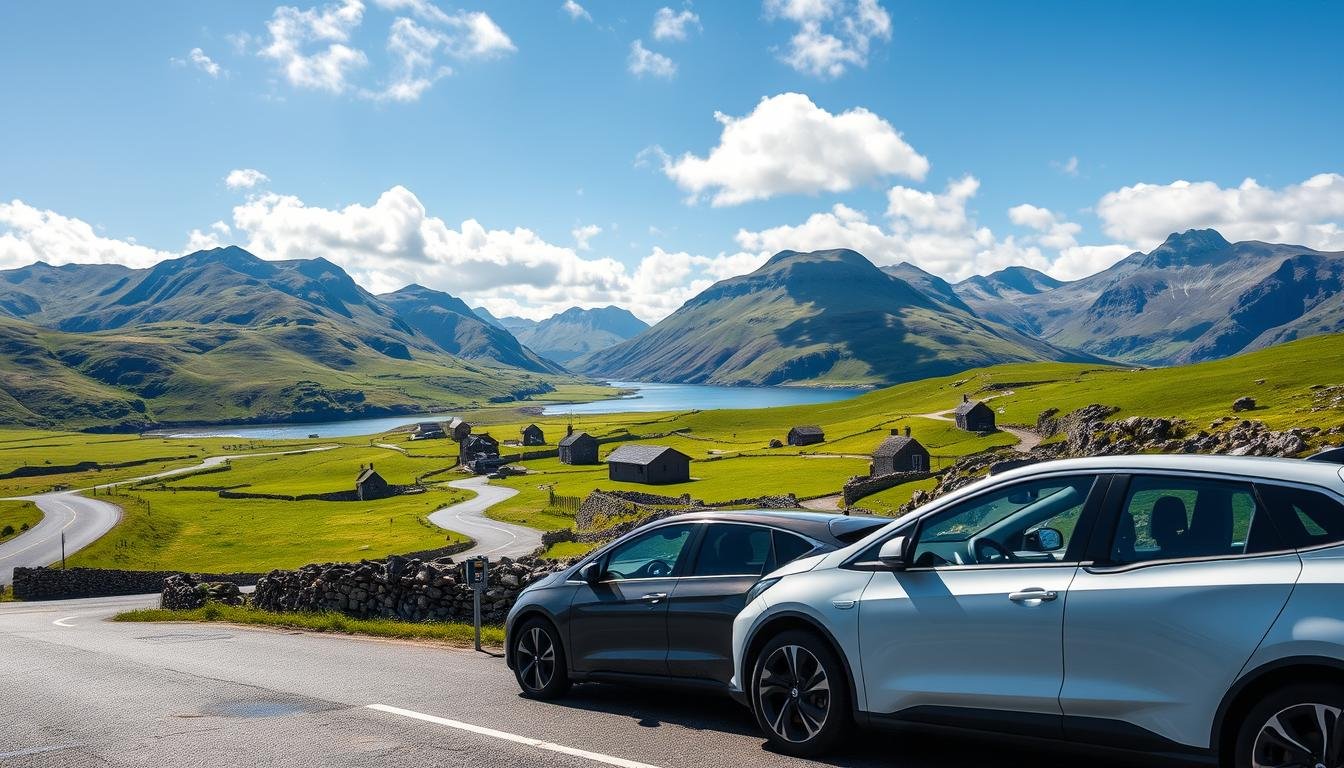
I felt a profound, personal link to this land as I guided my car through its rugged heart. Every turn revealed stunning vistas that spoke of ancient history. This connection, woven from family tales and personal reverence, made the drive uniquely meaningful.
Seeing other cars navigating the same winding paths was reassuring. It highlighted a shared commitment to enjoying this landscape thoughtfully. The growing availability of public chargers was a clear enabler of this new exploration.
The Beauty of Northern Scotland
The sheer beauty here is staggering. Vast glens, deep lochs, and towering mountains create a scene that demands your full attention. To immerse yourself properly, a reliable charger is essential to keep your vehicle moving forward.
My chosen route ventured into remote corners where my car's range was genuinely tested by the terrain. Selecting the right type of charger at each stop was crucial for maintaining confidence. I cherished the quiet time spent at a scenic park, reflecting on the day while my battery replenished.
Highlands EV road trip rapid charging Inverness
A short walk behind my accommodation led me to the Highland Council headquarters. Here, I found additional fast chargers for those arriving late. This was a perfect backup for my car.
The Cathedral Car Park is part of the ChargePlace Scotland network. It offered reliable access for my modern vehicle. I discovered the specific charger type here suited my model perfectly.
Once my car was fully powered, I moved it promptly. The hotel kindly requests this to free up space for others. It's a simple courtesy that keeps the system efficient for all drivers.
| Location | Charger Type | Network | Access |
|---|---|---|---|
| Highland Council HQ | Fast (22 kW) | ChargePlace Scotland | 24/7, public car park |
| Cathedral Car Park | Rapid (50 kW) | ChargePlace Scotland | 24/7, paid parking |
| Inverness Palace Hotel & Spa | Fast (22 kW) | Project EV | Hotel guests only |
Checking my vehicle's range against the next stop on my route was essential. I spent little time waiting thanks to efficient technology. The number of other cars I saw at these chargers indicated strong infrastructure support.
Inverness: The Heart of EV Charging
This urban hub proved to be a critical nexus for powering electric journeys across the region. Its dense network meant I could always find a place to recharge my car. Planning my route around these reliable points was straightforward.
Inverness Palace Hotel & Spa Charging Facilities
My stay at the Inverness Palace Hotel & Spa offered excellent facilities. Six 22 kW charging stations were available for guests, operated via the Project EV App. Starting a session was a very simple process with just a few taps.
This convenience saved me valuable time. I appreciated having dedicated chargers right where I was staying.
Public Chargers Around the City Centre
Beyond the hotel, the city centre boasted numerous public chargers. The Highland Council headquarters provided four devices with eight connectors. This ensured good charger availability when I arrived at the busy city car park.
I used my RFID card to access the ChargePlace Scotland network here. The Ness Walk Supercharger was a powerful 150 kW DC unit. It was open to non-Teslas via the Tesla app, a great benefit for my car and other cars.
For a quick top-up, I visited the Eastgate Centre's Falcon Car Park. Its FOR:EV chargers delivered speeds between 25-60 kW. The type of charger here allowed me to gain range quickly for the next leg.
The expansion of charging stations in the city is a clear success. It makes travel easier for all types of vehicles.
Experiencing Rapid Charging on the North Coast 500
Navigating the famed North Coast 500 circuit, I discovered a network of powerful charging sites that kept my journey seamless. My vehicle covered many miles, supported by the robust infrastructure of the ChargePlace Scotland network.
Select Routes and Their Charging Points
The Golspie Fountain Road car park was a key hub. It features two 50 kW rapid charger units and two 22 kW fast chargers near Dunrobin Castle. Charging here cost about 35p per kWh.
Further north, the John O’Groats Visitor Centre offered multiple network options. This included Gridserve and ChargePlace Scotland for travellers at the northern tip.
At the Durness Visitor Centre, a 50 kW charger and two 22 kW units sat conveniently by Smoo Cave. I used my RFID card at these locations.
The ChargePlace Scotland app was brilliant for checking charger availability before arrival. This saved me valuable time.
Tips for Efficient Road Trip Charging
I learned several tricks to keep my car ready for the next 100 miles of route.
- Use contactless payment where possible. It speeds up the process significantly.
- Plan your overnight stays near a charging site. This ensures a full battery each morning.
- Always check the type of charger at your stop. A rapid unit adds range much faster.
- Look for Tesla Superchargers that are open to non-Teslas. My Tesla model benefited, but other cars can too.
- Consult the Scotland app for real-time updates on the West Coast and other sections.
This approach maximised my driving time and minimised worry. The growing use of renewable energy at these points made the energy feel even better.
Exploring Rural and Urban Charging Infrastructure
The true test of any network is its presence where services are sparse, so I deliberately sought out rural charging locations. This exploration highlighted the impressive spread of infrastructure, from major transit hubs to community-supported sites.
Community-Supported Charging Solutions
Places like the Gairloch Harbour community car park exemplify this local commitment. Its 50 kW rapid charger, part of the ChargePlace Scotland network, is a lifeline for drivers in remote rural areas. It was heartening to see renewable energy initiatives supporting such essential facilities.
Further south, the Kyle of Lochalsh site near the Skye Bridge acted as a crucial hub for West Coast travel. I used my RFID card to access another reliable 50 kW unit here. Consulting the ChargePlace Scotland app beforehand confirmed its status, allowing me to plan my car's range for the next 50 miles with confidence.
Destination charging also shone. At Eilean Donan Castle, the apartments offer a 7-22 kW fast charger for guests. This different type of unit is perfect for a longer top-up while visiting, providing wonderful peace of mind.
Overall, I found charger availability outside urban centres was robust. The national network and useful apps make venturing off the beaten path in a modern car not just possible, but genuinely practical.
IONITY’s Impact on Scottish EV Infrastructure
The arrival of IONITY's ultra-rapid charging stations marked a pivotal moment for electric motoring in Scotland. This new infrastructure directly addressed the need for faster, more reliable power on longer journeys.
Ultra-Rapid Charging Developments
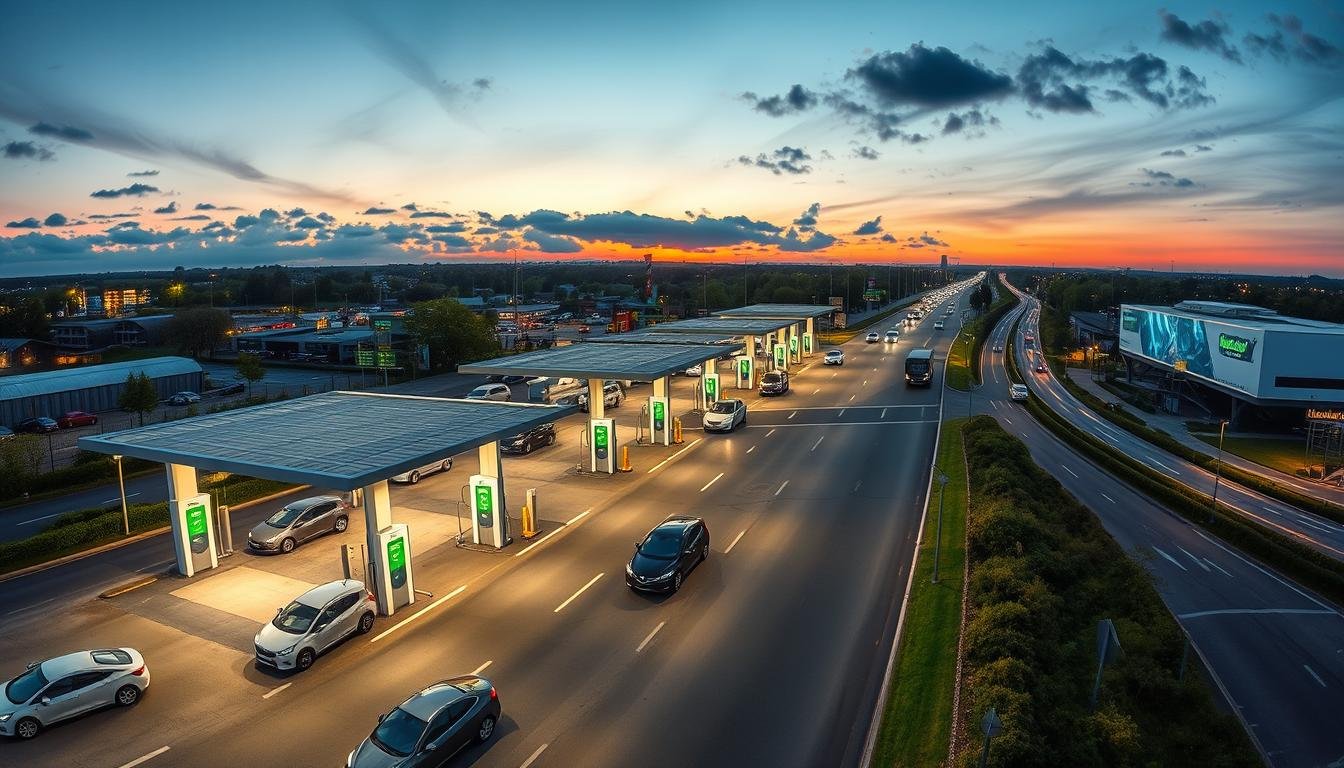
I visited the new IONITY site near Fort William. Its 400 kW charger added significant range to my car in mere minutes.
This type of technology is a genuine game-changer. It drastically cuts the time spent stationary, making long-distance travel far easier for all drivers.
| Location | Power Output | Key Advantage | Proximity to Landmark |
|---|---|---|---|
| Near Fort William | Up to 400 kW | Tourist hub for Ben Nevis | Less than ten miles |
| Inshes, Inverness | Up to 400 kW | Supports city and regional traffic | Central to road network |
Strategic Locations near Fort William and Inverness
The hub near Fort William was perfectly positioned for my route. Andreas Atkins of IONITY noted these locations make electric travel more convenient and reliable.
The Inshes site in Inverness is a vital addition. It supports both residents and visitors with their vehicle needs.
I spoke to other drivers there. Everyone was impressed by the speed. This investment encourages more people to choose an electric car.
Local Hubs: Fort William, Lochaber and Beyond
Exploring the Lochaber region, I was impressed by the concentration of charging facilities centred around the An Aird car park. This location in Fort William became a reliable hub for my vehicle.
The An Aird car park features three 50 kW rapid chargers and one 22 kW fast charger, open 24/7. I used a rapid unit to gain over 100 miles of range in a short time. This kept my car ready for the next leg of my route.
Another fantastic resource was the Tesla Supercharger in Fort William. Its six 250 kW ultra-rapid stalls are accessible to non-Tesla cars via the Tesla app. The power added here was measured in pence per kWh.
For a straightforward top-up, I found the Premier Inn's 50 kW charger very convenient. Its pay-as-you-go system was simple to use for my car. The type of charger here suited my schedule perfectly.
The wider Lochaber area is well-equipped with chargers. This made exploring without range anxiety genuinely easy. The An Aird car park was a major facility that supported my entire visit.
Understanding Charging Technologies and Costs
The choice between a rapid power boost and a slower charge directly impacted my travel itinerary and expenses. Getting to grips with this was fundamental for efficient and budget-conscious travel.
Differences between Rapid and Fast Chargers
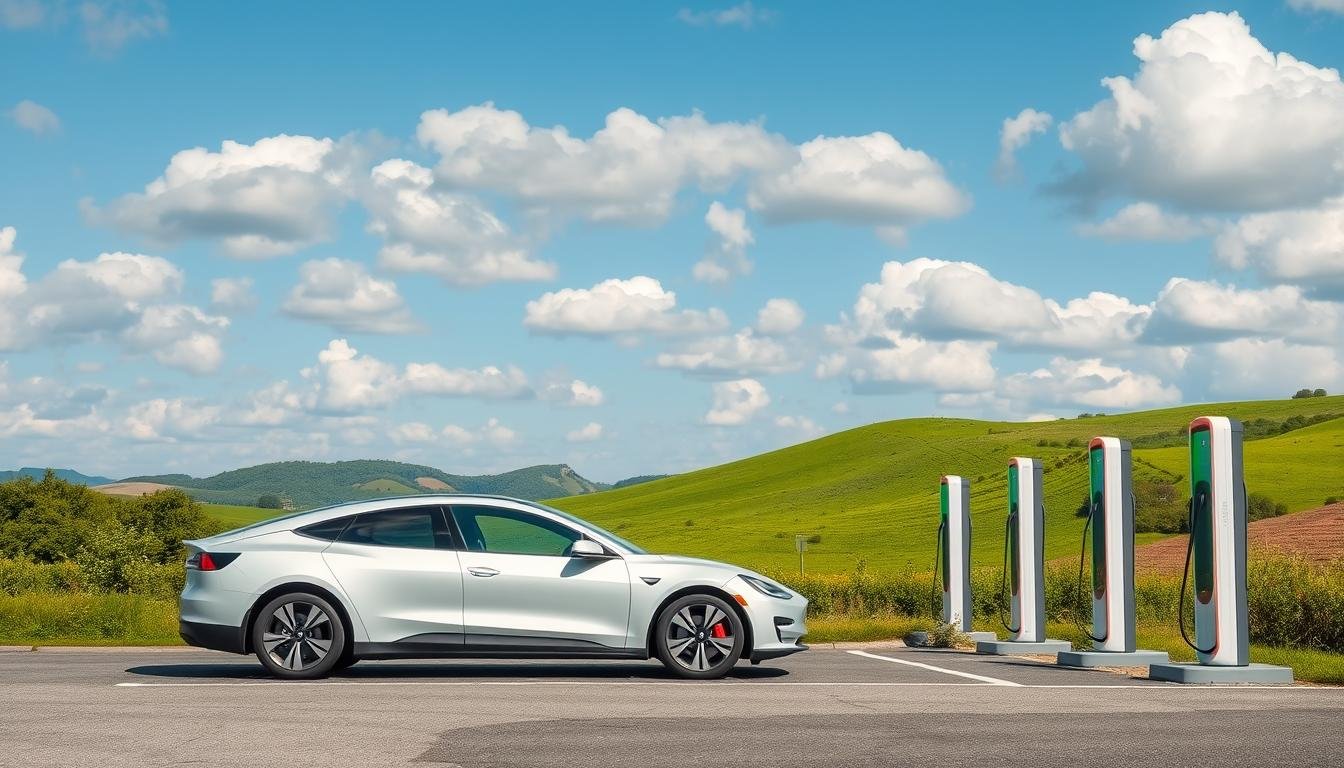
I learned that a rapid charger typically delivers 50 kW of DC power. This type of unit can add over 100 miles of range to my car in under an hour.
In contrast, a fast charger offers 7-22 kW AC power. It's perfect for a longer stop at a hotel or a scenic park. Knowing the difference saved me a huge amount of time.
Pricing Structures and Payment Methods
Costs per unit of energy varied. I found the IONITY network's rate of around 46p per kWh near Fort William to be very competitive. This was a key factor when planning my route.
Payment methods were diverse. Many chargers now accept simple contactless card payments. Others required a specific network app on my phone.
This variety meant I had to be prepared at every stop. Seeing different cars use the same chargers showed how essential clear pricing and easy payment are for everyone.
Planning My Route: Tools, Apps and Resources
My navigation strategy hinged on real-time data from specialised applications designed for electric motoring. This digital preparation was as vital as checking my vehicle's tyre pressure.
Having the right information on my phone gave me the confidence to venture onto quieter roads. I knew I could locate a power source whenever required.
Zap-Map and ChargePlace Scotland
The Zap-Map app was my constant companion. Its live status updates for units across the country allowed me to check availability at any hour.
This feature saved me considerable time on several occasions. I could avoid driving to a busy park only to find all chargers occupied.
For the ChargePlace Scotland network, their own app was indispensable. It was my primary resource for finding public chargers, especially near key points like Fort William.
Planning my route with this tool meant I never worried about my car's range. I could plot a stop roughly every 80 miles to keep moving smoothly.
Using IONITY’s Locator Tools
For the longest legs of my journey, I turned to IONITY’s online locator. It clearly showed the placement of their ultra-rapid charging sites along major routes.
Using this, I identified the fastest type of charger available for my next stop. This proactive planning often helped me reach my destination ahead of schedule.
The combination of Zap-Map and ChargePlace Scotland made managing my car's energy needs straightforward. I recommend all drivers download these apps before starting a long journey in the northern region.
Insights on Renewable Energy and EV Sustainability
Seeing a new generation learn about sustainable technology firsthand was one of the most rewarding aspects of my journey. I visited Inshes Primary School, where a new charging hub has become a live classroom.
Head Teacher Meg Snedden explained its value.
“The IONITY hub provides a real-world learning opportunity for our pupils,”
she said. This project helps normalise green technology by showing how achargeractually works.
It’s vital for the next generation of drivers. They will rely on this infrastructure for their own cars. Practical understanding is the best way to encourage future adoption.
This educational effort mirrors a wider shift. Many local businesses now integrate renewable energy into their networks. Near Fort William, this move towards a low-carbon grid is a positive step.
Knowing my car was often powered by green sources added deeper meaning to my route. I spent time reflecting on this. It made my adventure feel part of a greener future.
I hope more businesses invest in renewable energy for their chargers. The right type of power, accessible in a community park, supports both our range and our planet.
Local Experiences and Hidden Gems
Beyond the main highways, I uncovered delightful stops where hospitality and practical facilities went hand in hand. These local treasures transformed simple overnight stays into memorable parts of the adventure.
Overnight Stays with On-Site Chargers
I stayed at The Torridon Hotel on the West Coast. Its two 22 kW chargers let me power my car overnight.
This guaranteed a full range for the next day's route. The Rowan Tree Country Hotel in Aviemore was another wonderful find.
I enjoyed a superb meal while my vehicle was connected to their 22 kW charger. The Spey Valley Resort also in Aviemore featured two similar units.
Staying at places with this type of facility saved me valuable time. It allowed me to explore more beautiful scenery each morning.
| Hotel | Location | Charger Details | Key Guest Benefit |
|---|---|---|---|
| The Torridon Hotel | West Coast | Two 22 kW AC chargers | Overnight charging in a stunning loch-side setting |
| Rowan Tree Country Hotel | Aviemore | One 22 kW AC charger | Dine & charge facility for guests and visitors |
| Spey Valley Resort | Aviemore | Two 22 kW AC chargers | Resort facilities access while car charges |
Scenic Detours and Rest Spot Recommendations
My car was always ready for the next adventure. This was thanks to the excellent charging facilities at these local hotels.
I discovered many scenic detours only possible because I planned my journey around reliable sites. A quiet country park made a perfect rest spot.
Seeing other cars at these chargers showed a shared approach to exploration. The best way to experience the region is to stay at places supporting modern drivers.
Personal Reflections on a Greener Highland Adventure
Looking back on my adventure, I realise that travelling sustainably added an extra layer of meaning to every mile. I felt a great sense of accomplishment completing my journey in an electric car, knowing I had minimised my environmental impact.
The expansion of the charging network by the Highland Council and national providers has made travel across the region much easier. With the right preparation, my journey was comfortable, scenic, and sustainable for all travellers.
My car performed exceptionally well on challenging terrain. I am grateful for the reliable chargers I found along the way. I spent time reflecting on how much the infrastructure has improved.
"Choosing a sustainable charger for my vehicle wasn't just about convenience—it was a conscious commitment to the landscape I love."
The memories I made are even more special because I travelled respectfully. I encourage everyone to consider an electric vehicle for their next trip. It is a truly rewarding experience.
| Aspect | My Experience | Impact |
|---|---|---|
| Environmental Care | Used low-emission chargers | Reduced carbon footprint |
| Network Reliability | Consistent range on my route | Stress-free exploration |
| Journey Enjoyment | Scenic stops at a quiet park | Deeper connection to nature |
Seeing other cars using the same facilities showed a shared commitment. The right type of planning makes all the difference for a greener adventure.
Conclusion
Reflecting on the miles covered, the greatest reward was knowing my travels aligned with a commitment to the environment. My car handled the stunning landscape beautifully, making the journey deeply fulfilling.
Careful planning of my route was essential. Selecting the right type of charger at each stop managed my time efficiently and maintained my vehicle's range. The network of public chargers I used proved utterly reliable.
I am excited to see this infrastructure grow, supporting more cars and drivers every year. I look forward to my next adventure, perhaps pausing at a quiet country park, confident that sustainable exploration is here to stay.