
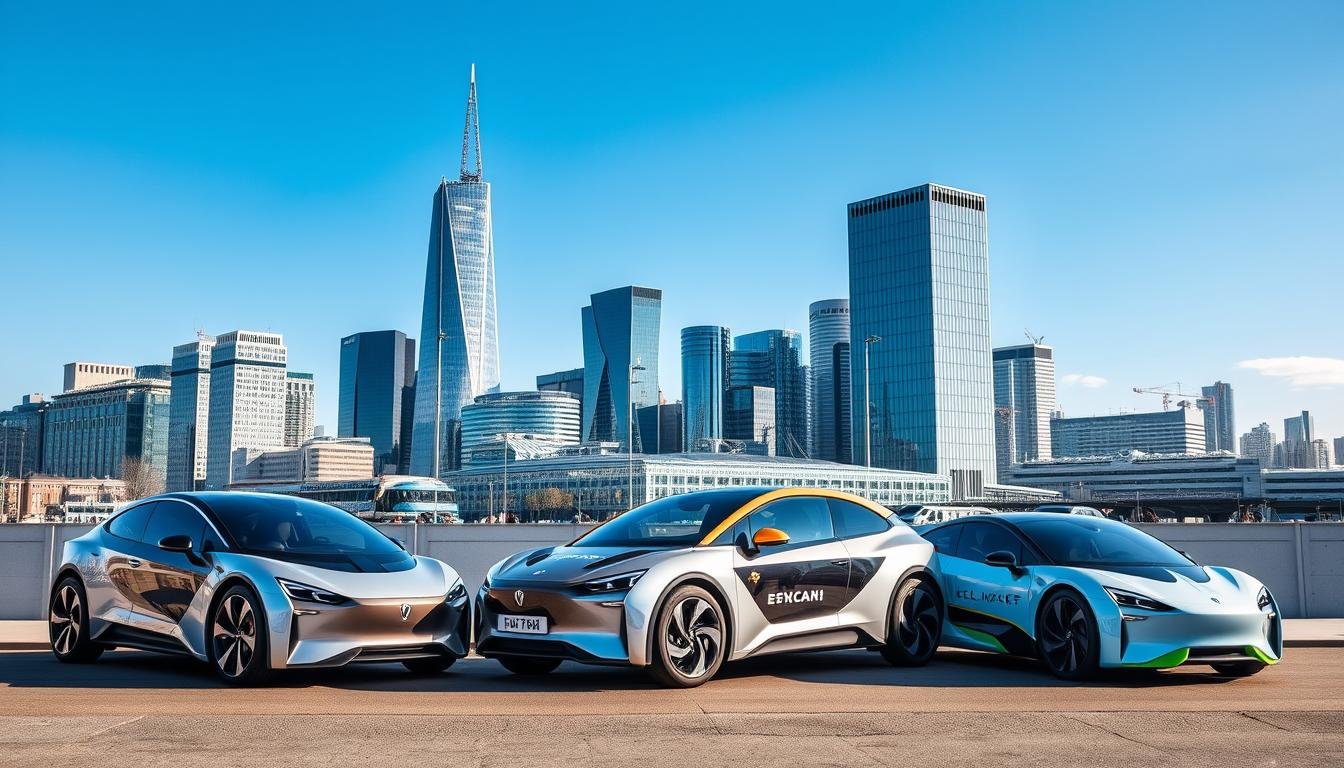
Industry forecasts predict a remarkable surge, with more than twenty all-electric models scheduled to debut in British showrooms during 2026. This influx represents one of the most significant transformations for the nation's automotive landscape in recent memory.
Motoring experts, including figures like Steve Fowler, highlight this period as a pivotal moment. It signals a major shift for every driver seeking a modern and efficient transport solution.
This guide offers a comprehensive exploration of the latest vehicle launches. We delve into the evolving technology and the diverse range of options becoming available to you.
The sheer variety of upcoming models ensures that whether you need a family vehicle, a city runabout, or a long-distance cruiser, there will be a battery-powered option to suit your specific needs. Our detailed rundown of the most anticipated releases is designed to help you navigate this exciting future with confidence.
Key Takeaways
- The upcoming year is set to be a transformative period for the British motoring market.
- Expert analysis points to 2026 as a critical juncture for buyers considering a modern vehicle.
- This guide provides a complete overview of the latest model launches and technological advances.
- With a vast array of options planned, there is likely a vehicle tailored for every driver's requirements.
- Our detailed information aims to equip you with the knowledge to make a confident decision about your next car.
Introduction to the 2026 Electric Car Revolution
A profound change is sweeping through the nation's automotive sector, driven by battery-powered vehicles. The Society of Motor Manufacturers and Traders reports a dramatic expansion in available zero-emission models.
This industrial shift means every fresh model launch supports a broader ambition for sustainable transport across Britain. It represents a collective move towards a cleaner national infrastructure.
Motorists are increasingly opting for these advanced vehicles over traditional petrol or diesel alternatives. Improved technology and significantly lower running costs are central to this growing preference.
This transition is fuelled by a massive influx of offerings from both long-established brands and innovative market newcomers. Understanding the full scale of this revolution is essential for any driver contemplating a switch to a more efficient way of travelling.
Government Policies and Regulatory Drivers
A powerful combination of regulation and financial incentive is actively guiding consumer choice and manufacturer strategy. These government measures are designed to create a clear path towards sustainable transport.
Zero Emission Vehicle Mandate
The government's Zero Emission Vehicle (ZEV) mandate sets a legally binding target. Manufacturers must ensure that 28% of their new vehicle sales are fully electric during the target year. This figure is set to rise sharply to 80% by 2030.
This regulatory pressure compels every major brand to invest heavily in compliant technology and production. The ultimate goal is for all new models sold to be zero-emission by 2035.
Incentives and Tax Benefits
Alongside regulation, direct financial benefits make choosing a battery-powered vehicle highly attractive. The Benefit-in-Kind (BIK) tax rate for such models is fixed at just 4% for the 2026/27 period.
For company car users, this represents a significant saving compared to traditional petrol or diesel alternatives. It powerfully aligns personal financial advantage with broader environmental objectives.
Together, these policies are successfully steering the entire automotive market toward a cleaner future.
Market Trends Shaping the UK EV Landscape
The landscape for battery-powered vehicles in Britain is being reshaped by two powerful market forces: increasing choice and falling costs. This combination makes the switch to a modern vehicle a more practical consideration for a much larger group of motorists.
Expanding Model Range and Price Declines
Choice has exploded for buyers. There are now over 130 individual zero-emission models available. This fierce competition pushes every manufacturer to improve their offerings and provide better value.
Simultaneously, the cost barrier is falling. Recent data from the Independent EV Price Index shows a year-on-year price drop of 9.4%. This represents an average saving of around £4,500, making an electric car more accessible.
Budget-friendly options can now genuinely compete with equivalent petrol vehicles. The primary driver behind this shift is the rapidly falling cost of battery technology. For the consumer, this trend translates into more affordable and varied transport solutions.
Technological Innovations in the New EV Market
The latest wave of automotive innovation is focused on two critical areas: energy storage and replenishment. These core advancements are solving the historical concerns of potential buyers.
They are making modern vehicles more capable and convenient than ever before.
Advanced Battery Technology
Fundamental progress in battery chemistry has been dramatic. Production costs have plummeted by over 80% in the last decade.
This allows manufacturers to install larger, more energy-dense packs without inflating the final price. A sophisticated battery management system is now standard.
It meticulously monitors cell health to ensure long-term performance and reliability for the owner.
Rapid Charging Systems
The other major leap is in charging speed. Fresh models arriving feature 800V electrical architecture.
This technological shift turns what was once a lengthy stop into a brief pause, fundamentally changing the long-distance journey.
It enables a typical electric car to recharge from 10% to 80% in under twenty minutes. Such rapid charging is becoming a common feature, supported by growing high-speed infrastructure.
| Technology Aspect | Legacy Standard | 2026 Innovation |
|---|---|---|
| Battery Energy Density | Moderate | High |
| Battery Cost Trend | High & Stable | Fallen >80% |
| Peak Charging Speed | ~150 kW | >350 kW |
Cutting-Edge Design and Interior Upgrades
A focus on sophisticated aesthetics and innovative interiors defines the latest automotive offerings. This evolution moves beyond basic functionality to create truly engaging driver environments.
Manufacturers are prioritising both visual impact and cabin experience in their forthcoming models.
Modern Styling and Materials
The next-generation Peugeot 208 showcases this radical approach. It introduces steer-by-wire technology, allowing full wheel lock with just one turn.
Inside this car, the conventional touchscreen is replaced by a large head-up display. Critical information projects directly into the driver's line of sight.
Sustainable materials are increasingly enhancing interior spaces. This reflects a modern approach to luxury that values ethics alongside comfort.
Bold styling helps the electric version of popular hatchbacks stand out. These comprehensive upgrades ensure every modern car is a comfortable, advanced space.
The overall design philosophy now seamlessly blends technology with passenger wellbeing. This holistic interior and exterior design focus marks a significant shift in priorities.
Performance, Range and Efficiency Explained
For drivers considering a switch, the practical questions often revolve around how far you can travel and how well the vehicle drives. These three pillars—performance, range, and efficiency—are now the primary benchmarks for any modern vehicle.
They define its real-world capability and day-to-day usability.
Enhanced Electric Motors
At the heart of this capability is the latest motor technology. Enhanced electric motors deliver instant torque for responsive acceleration.
More importantly, they operate with remarkable efficiency. This ensures every unit of energy is used effectively, maximising the distance you can cover.
Sophisticated power management systems optimise output. The result is a driving experience that feels both powerful and smooth.
Driving Range and Energy Efficiency
The most tangible metric for many is the official WLTP range. The Mercedes CLA Electric sets a formidable benchmark here, with a claimed 492-mile figure.
This is not an isolated case. A host of fresh models now comfortably promise over 400 miles on a single charge.
Such figures effectively eliminate distance anxiety for long journeys. Efficiency is measured in miles per kWh, with the latest car achieving impressive results.
Higher efficiency directly translates to lower running costs. By optimising aerodynamics and the powertrain, manufacturers ensure this generation of electric car is more capable than ever.
Breakthrough Models: Porsche and Aston Martin Insights
Two iconic marques are taking distinct paths to preserve their legendary driving dynamics. Their latest projects prove that a modern powertrain can enhance, rather than dilute, the engaging experience enthusiasts cherish.
This focus on driver-centric engineering is leading to some truly innovative solutions.
Unique Battery Placement and Design
Porsche's strategy for its forthcoming Boxster and Cayman vehicles is particularly clever. Instead of a flat pack under the floor, the battery is positioned directly behind the seats.
This placement aims to replicate the weight distribution of a mid-engine petrol car. It helps maintain a low centre of gravity and the poised handling these models are famous for.
Aston Martin is pursuing performance through partnership. Its upcoming SUV will utilise powerful motors sourced from Lucid. Each unit is capable of producing a formidable 670bhp.
This approach allows the brand to integrate cutting-edge propulsion technology swiftly. The design philosophy in both cases is intensely focused on delivering a specific driving character.
These innovations demonstrate the incredible adaptability of the electric motor. Engineering is now being tailored to suit any vehicle's core requirements, ensuring driving pleasure remains paramount.
Compact and City-Friendly EV Choices
For those whose journeys are primarily within the city limits, a specific set of vehicle attributes becomes paramount. Agility, compact dimensions, and low running costs are essential for navigating tight streets and crowded car parks.
This focus has led to a dedicated segment of transport solutions designed expressly for urban life.
Urban Manoeuvrability and Efficiency
The upcoming Nissan Pixo exemplifies this trend. It is anticipated to start from around £17,000 and features a 121bhp motor. This combination promises sprightly performance perfect for stop-start traffic.
Renault’s Twingo E-Tech will also arrive with a compelling price under £20,000. Its design prioritises supreme energy efficiency, making it a cost-effective choice for daily commutes.
For a slightly higher budget, the Kia EV2 starts at £24,245. It is engineered for excellent urban manoeuvrability. The design ensures it is an easy and quiet car to drive in bustling city centres.
These models prove that a compact car can still offer advanced technology. The instant torque from an electric motor provides a surprisingly engaging driving experience. Their small footprint makes them incredibly simple to park, turning a chore into a breeze.
Family-Friendly Electric Vehicles for UK Drivers
Finding a vehicle that comfortably accommodates the entire family is a top priority for many British motorists. The latest wave of battery-powered transport directly answers this call. It offers spacious, versatile solutions without compromising on modern technology or style.
These models are designed with family life in mind. They provide the necessary room for child seats, shopping, and luggage for weekend trips. The crossover and suv form factors are particularly popular for this role.
Seven-Seater and Crossover Options
The Tesla Model Y remains a leading choice in this category. Priced from £41,990, it offers a practical car with a generous 387-mile range. Its spacious interior and proven technology make it a compelling option.
Hyundai’s Ioniq 9 represents a more premium, innovative approach. Starting at £64,995, this large suv features swivelling captain’s chairs. This clever design creates a lounge-like space when stationary, enhancing comfort for all passengers.
These vehicles prove that switching to an electric car need not mean sacrificing practicality. They offer a genuine alternative to traditional petrol-powered people carriers. With several seven-seater configurations now available, larger households can finally make the transition with confidence.
Budget-Friendly EV Options Under £30,000
Value-focused manufacturers are proving that sophisticated transport can be accessible, with prices starting from well under £20,000. This segment is crucial for broadening the appeal of modern motoring.
Best Value EVs
Several standout offerings demonstrate how much capability your money can buy. They combine low initial cost with impressive standard features.
- Leapmotor T03: Priced from just £14,495, this model is among the most affordable available. It makes efficient driving a realistic prospect for budget-conscious buyers.
- Citroën e-C3 Aircross: Starting at £21,105, this is a practical car designed with family needs in mind. It offers excellent space and versatility for the price.
These budget models show that you do not need a large investment for a reliable and efficient vehicle. Many come with a surprising level of standard equipment.
This focus on value is helping to democratise the electric car. It ensures advanced, clean transport is a viable choice for a much wider audience.
Mid-Range Electric Cars for Practicality and Style
For many motorists, the ideal vehicle strikes a perfect harmony between everyday usability and attractive styling. This mid-tier segment is where that balance is most expertly achieved.
It offers a compelling mix of sensible features and modern design that appeals to a broad audience.
The Kia EV3 is a prime example, setting a strong benchmark from £33,005. It delivers a class-leading potential range of up to 375 miles on a single charge. This makes it a standout option for practical buyers.
Toyota and Nissan Innovations
Toyota and Nissan are introducing their own innovative models. They focus on renowned reliability and straightforward practicality for the everyday driver.
These upcoming vehicles are designed to be comfortable companions on the road. They provide a refined experience that can rival more expensive luxury car brands.
With a keen focus on style and usability, these models are perfect for those who want a car that looks good and performs well daily. Their practical nature ensures they handle everything from the school run with the family to long motorway journeys with ease.
This makes every drive a comfortable and confident experience.
Premium and Luxury Electric Vehicles Overview
High-end motoring is undergoing a dramatic reinvention, blending blistering acceleration with sumptuous comfort. This segment showcases the ultimate application of advanced technology, where every detail is engineered for an exceptional experience.
Manufacturers in this space are not just building transport; they are crafting definitive statements of innovation and luxury.
High-End Features and Performance
Extreme capability is a defining trait. The Hyundai Ioniq 6 N exemplifies this, priced at £65,800 and capable of sprinting to 62mph in a mere 3.2 seconds.
This relentless focus on performance pushes the boundaries of what a modern vehicle can achieve. To bridge the sensory gap with traditional powertrains, many models incorporate a synthetic engine sound system.
It enhances the driver's connection to the vehicle's immense power.
Advanced Safety and Comfort
Sheer speed is balanced by a sanctuary-like cabin. Acoustic glass and sophisticated suspension systems work together to ensure a supremely serene environment.
Advanced safety systems and premium materials are used throughout, prioritising occupant wellbeing. Every premium car in this category is designed to deliver a unique brand experience.
It combines cutting-edge technology with exceptional build quality for complete driver satisfaction.
new electric cars UK 2026: A Detailed Comparison
A side-by-side analysis of the latest models reveals crucial differences in capability and value. Understanding these variations is essential for any motorist considering a switch to an electric car.
Comparative Specifications and Pricing
The core of any evaluation lies in three key figures: battery capacity measured in kWh, the official WLTP range, and the total purchase price. These metrics directly determine your car's practicality and long-term cost.
Larger battery packs typically offer greater range but increase the initial outlay. Conversely, a smaller, more affordable battery may suit urban driving perfectly.
Our comparison helps you balance these factors to identify which model offers the best value. Charging speed is another critical specification.
Faster capabilities can significantly reduce downtime on longer journeys. It's vital to compare the maximum kW acceptance rate alongside the battery size.
By analysing the full specification sheet, you can make an informed decision for your next car. This detailed rundown ensures you find a vehicle that fits both your budget and your driving requirements.
Innovative Features Enhancing the Driving Experience
Innovative onboard systems are redefining what it means to drive, offering unprecedented convenience and safety. These advancements turn every journey into a more connected and intuitive experience.
The latest electric car models are at the forefront of this shift. They integrate technology that actively supports the driver.
Infotainment and Connectivity Advances
Modern infotainment systems now feature advanced connectivity. This allows every car to integrate seamlessly with your digital life on the road.
You can access navigation, media, and communications effortlessly. The driving experience is further enhanced by AI-powered voice control.
This technology makes managing your vehicle's settings safer and more intuitive. You can adjust climate control or select music without distraction.
Many models now include over-the-air software updates. This ensures your vehicle's software remains current long after it leaves the showroom.
Connectivity advances also allow remote monitoring. You can check your car's charging status and estimated range from a smartphone. This provides peace of mind before every journey.
These features transform the vehicle from simple transport into a highly connected, intelligent mobile environment.
| Innovative Feature | Primary Benefit | Real-World Application |
|---|---|---|
| AI Voice Control | Hands-free operation for improved safety | Natural language commands for climate and media |
| Over-the-Air Updates | Continuous improvement and new features | Bug fixes and performance enhancements delivered remotely |
| Remote Vehicle Monitoring | Convenience and journey planning | Checking battery state and pre-conditioning the cabin via an app |
Cost Benefits with Salary Sacrifice and The Charge Scheme
The combined effect of salary sacrifice and charging discounts creates a compelling financial case. For many, the sale of an efficient vehicle through such a scheme is a game-changer.
These initiatives can significantly lower the barrier to ownership. They reduce both the upfront expense and the ongoing energy costs.
Monthly Cost Calculations
Salary sacrifice allows you to save 20-50% on the cost of an electric car. Payment is taken from your gross salary, before tax and National Insurance.
Monthly calculations often show a premium model becomes cheaper to run than a traditional petrol car. Insurance, maintenance, and road tax are bundled into one simple payment.
This simplifies the entire process of owning a car.
Additional Incentives for Charging
The Charge Scheme provides further savings of 20-50% on electricity for charging. It makes this a cost-effective time to switch to a modern powertrain.
Taking advantage of these incentives reduces the financial burden of transition. Together, they make electric cars accessible to a wider audience.
Conclusion
For motorists across the country, the decision to switch has never been more compelling or straightforward. The upcoming market presents an unprecedented variety of zero-emission models, making this a perfect year to move away from petrol.
With costs declining and driving ranges expanding, modern electric cars are now a practical and affordable choice for every driver. Government mandates and tax incentives ensure the future of car sales is firmly rooted in clean technology.
We encourage you to test drive the latest offerings to experience their performance and comfort firsthand. Modern cars offer impressive technology and efficiency that rivals traditional vehicles.
By opting for a battery-powered model today, you participate in a significant shift towards a cleaner, more efficient transport future. Every driver can find an electric car that suits their needs, making now the ideal time to join this positive change.
FAQ
What is the Zero Emission Vehicle Mandate and how does it affect 2026 models?
The Zero Emission Vehicle Mandate requires manufacturers to sell an increasing percentage of zero-emission vehicles each year. By 2026, this policy will significantly boost the availability of battery-electric models in showrooms, as brands work to meet strict sales targets or face penalties.
How much will battery technology improve by 2026?
Advancements in solid-state and lithium-ion chemistries are expected. These innovations promise greater energy density, which should lead to longer driving ranges and reduced charging times for many upcoming vehicles, making them more practical for longer journeys.
Are there any affordable family EVs coming in 2026?
A>Yes, the market for budget-friendly and mid-range family vehicles is expanding. Brands like Volkswagen, Nissan, and Toyota are focusing on practical crossovers and estates that offer generous interior space, competitive range, and prices that aim to compete with conventional petrol equivalents.
What are the benefits of a salary sacrifice scheme for an EV?
Salary sacrifice allows employees to lease a vehicle directly from their gross salary, reducing their taxable income. This can make a premium model, like a Porsche or Audi, much more affordable on a monthly basis, often including insurance, maintenance, and breakdown cover in a single payment.
Which 2026 EVs are expected to offer the longest range?
While official figures are pending, luxury brands like Mercedes-Benz and Audi, alongside innovators like Lucid, are targeting ranges well beyond 400 miles. Improvements in aerodynamics and battery efficiency will be key drivers for these long-distance tourers.
Will there be more small electric cars for city driving?
A>Absolutely. Compact and city-friendly options are a major focus. New entries from brands like Citroën and MINI will emphasise tight manoeuvrability, efficient use of interior space, and sufficient battery capacity for urban and suburban commutes, perfect for navigating busy streets.
How is the design of new EVs changing?
Design is evolving to maximise interior room through dedicated platforms, allowing for shorter bonnets and more cabin space. Expect minimalist, tech-focused interiors with sustainable materials, larger digital displays, and sleek exterior styling that prioritises aerodynamic efficiency.